Common Beer Myths Debunked by a Williamsport Brewery
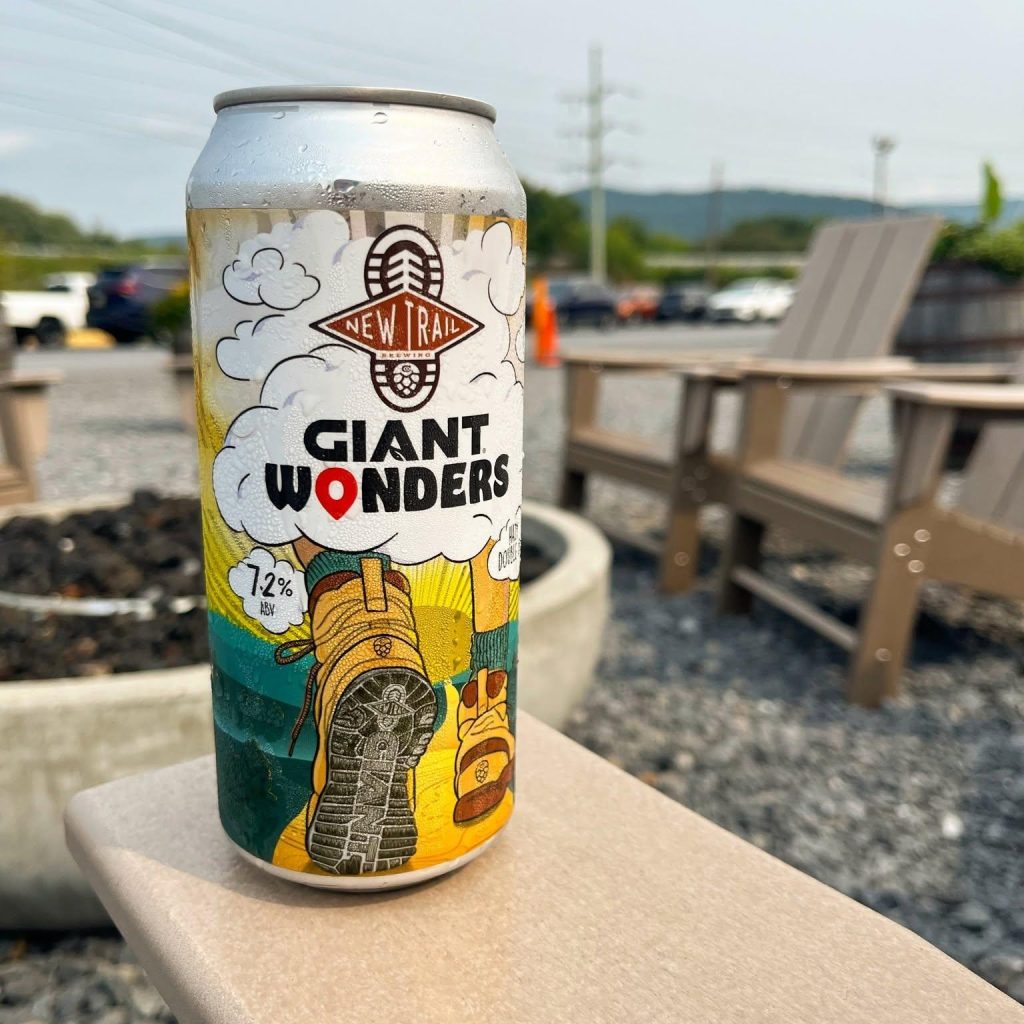
Beer comes with plenty of unwritten rules and assumptions. Dark beers must have more alcohol. Extra hops always mean extra bitterness. Canned beer isn’t as good as bottled beer. And every IPA is going to overwhelm your taste buds. But how many of these common beer myths actually hold up?
At New Trail Brewing Co., we know there’s a lot more happening in your can. As a brewery Williamsport beer drinkers can visit to explore everything from crisp lagers to hop-forward IPAs, we see firsthand just how varied beer styles, ingredients, and brewing techniques can be.
In Common Beer Myths Debunked by a Williamsport Brewery, we’re setting the record straight on some familiar misconceptions.
We’ll look at the brewing science behind them in straightforward terms and help you better understand what influences a beer’s makeup and flavor. With a little newfound knowledge, choosing your next pour might become an even more interesting part of the adventure.
Key Takeaways
- Beer myths don’t tell the whole story. Color, bitterness, and packaging alone aren’t reliable indicators of a beer’s strength, flavor, or quality.
- Ingredients and brewing choices matter. Malt, hops, yeast, fermentation, and recipe design work together to create a wide range of beer styles and flavor profiles.
- Explore beyond your usual pour. Trying different styles and learning what shapes their character can help you discover new flavors and maybe a new favorite.
Myth #1: Dark Beer Is Always Stronger
One common misconception in the craft beer world is that the darker a beer looks, the stronger it must be. A dark lager or stout can look rich and heavy compared with pale ale, wheat beers, or other light beers, but color alone doesn’t tell you a beer’s alcohol content.
What makes beer dark?
Beer gets much of its color from the malt used during the brewing process. Depending on how the grain is processed and roasted, malt can give dark beers deep brown or nearly black colors along with complex flavors reminiscent of toast, chocolate, caramel, or coffee.
Those characteristics shape a beer’s color and flavor profile, but they don’t automatically mean higher alcohol content. A dark lager, for example, can have relatively low alcohol despite its appearance.
Color and alcohol content aren’t the same thing
Alcohol is produced when yeast ferments sugars in the wort. The amount of fermentable material and how fermentation proceeds have a much more direct relationship with the finished beer’s strength than its color.
That’s why different styles can challenge expectations. An imperial stout may be high alcohol, but its dark color isn’t what makes it strong. Meanwhile, a lighter-looking India Pale Ale, American IPA, or juicy IPA can contain more alcohol than some dark beers.
The takeaway is simple: color is a clue to malt character, not a measurement of strength. Whether you’re drinking a stout, dark lager, pale ale, or IPA (India Pale Ale), check the ABV if you want to know how strong the beer is.
Myth #2: Hops Are Only There to Make Beer Bitter
Another persistent beer myth is that more hops automatically mean a more bitter beer. Hops certainly can provide bitterness, but that’s only part of what makes them so incredibly versatile. They can also contribute a wide range of flavors and aromas, from citrus notes and tropical fruit to pine, floral, earthy, and spicy characteristics.
It’s about more than the amount of hops
When hops are added during brewing, they can be just as important as the amount brewers use. Earlier additions generally contribute more bitterness as heat transforms compounds known as alpha acids. Hops added later in the process can put greater emphasis on flavor and aroma.
Many brewers also use techniques such as dry hopping to build hop aroma without simply trying to make the finished beer as bitter as possible. That’s one reason two heavily hopped beers within the IPA style can deliver very different experiences.
Broken Heels shows the other side of hops
New Trail’s Broken Heels Hazy IPA is a great example. It’s hopped with hand-selected Citra, Mosaic, and Ekuanot, creating high aromatics of luminous citrus, rich conifer, and refreshing tropicals. At the same time, it maintains low bitterness, a full mouthfeel, and a soft palate.
So, more hops doesn’t necessarily mean more bitterness. From a hazy IPA to a Black IPA and beyond, hops give craft breweries a remarkably broad palette for shaping a beer’s flavor and aroma. Sometimes the best way to understand what hops can do is simply to drink different styles and taste the difference for yourself.
Myth #3: Every IPA Is Extremely Bitter
For some beer drinkers, three letters—IPA—bring one thing to mind: bitterness. While bitterness is certainly part of many IPAs, it doesn’t define the entire style. IPAs can range considerably in aroma, flavor, body, and perceived bitterness.
There’s more than one way to brew an IPA
An IPA’s character depends on the complete recipe and brewing process. Hop selection and timing matter, but so do malt balance, yeast, fermentation, and other decisions made in the brewhouse.
That variety has helped create distinct interpretations of the IPA style. Some are clear, crisp, and noticeably bitter, while modern hazy IPAs often emphasize fruit-forward character, aroma, fuller body, and a softer drinking experience. Other approaches can bring entirely different combinations of malt and hop character to the glass.
Don’t let one IPA define the category
Trying one intensely bitter IPA and deciding you don’t like any IPA is a little like trying one type of cheese and writing off the entire category. There’s simply too much variation from one beer to another.
Instead of treating bitterness as constant proof of what an IPA should taste like, consider the beer’s overall flavor profile. Exploring different interpretations can help you figure out whether you prefer something crisp and bitter, soft and aromatic, or somewhere in between.
The myth here isn’t that IPAs can be bitter; they absolutely can be. It’s that every IPA has to be.
Myth #4: Canned Beer Is Inferior to Bottled Beer
There was a time when some beer drinkers associated bottles with quality and cans with something less refined. But when it comes to protecting good beer, the container itself isn’t a measure of craftsmanship. What matters is how well the beer is packaged, stored, and handled before it reaches you.
Cans have a practical advantage
Of the common packaging types, cans offer one especially useful benefit: they completely block light. Light exposure can cause unwanted changes in beer’s aroma and flavor, so keeping it out helps protect the beer the brewery intended you to taste.
That doesn’t mean bottled beer is inherently worse, either. Proper packaging practices can produce quality beer in both formats. The bigger concerns are exposure to oxygen, storage conditions, temperature, and how long the beer has been sitting around.
Myth #5: Beer Is Basically Just Water, Grain, and Hops
Water, malt, and hops get plenty of attention when people talk about beer, but leaving yeast out of the conversation misses an essential part of the brewing process. Together, water, malt, hops, and yeast form beer’s four foundational ingredients.
Four ingredients, plenty of possibilities
Each ingredient has a different job. Water forms the foundation, and its mineral composition can influence the finished beer. Malt provides fermentable sugars while building color, body, and flavor. Hops add bitterness, flavor, and aroma.
Then there’s yeast. During fermentation, yeast converts fermentable sugars into alcohol and carbon dioxide while producing compounds that can shape a beer’s aroma and flavor. Different yeast strains can contribute noticeably different characteristics to the finished beer.
That’s part of what makes brewing so interesting. Changes in ingredients, fermentation, and brewing methods can turn the same four foundations into remarkably different beer styles. A short ingredient list can lead down a huge number of trails.
Myth #6: All Lagers Are Bland
Lagers sometimes get labeled as simple or lacking flavor, especially compared with ales and IPAs. But “lager” covers a broad family of beers, not a single flavor profile.
Clean and crisp doesn’t mean boring
Lager yeast and cooler fermentation commonly create the clean, crisp character associated with styles like pilsners. Within that framework, malt, hops, water chemistry, and recipe design can yield ample variety.
New Trail’s Lazy River Pils is one example. This American Pilsner is delicately hopped with Citra and German Tettnang, bringing bright citrus and noble floral notes to its crisp profile.
Lagers don’t need to be loud to be flavorful. Sometimes their appeal is in balance, clarity, and the details you notice with each sip.
Myth #7: Fresher Doesn’t Matter Once Beer Is Packaged
Sealing beer in a can doesn’t freeze its flavor in time. Most beer is intended to be enjoyed fresh, and its aroma and flavor can gradually change as it ages.
Freshness is part of the experience
This can be especially noticeable with hop-forward beers, where fresh aroma is a big part of the intended character. While certain specialty beers may be suitable for aging, more time doesn’t automatically mean better beer.
When date information is available, check it and enjoy the beer within the brewery’s recommended window. That special-looking can may be more rewarding to drink than sitting indefinitely in the fridge.
Beer Is Better Without the Myths
Beer is far more varied than the shortcuts we sometimes use to describe it. Color doesn’t determine strength, hops can do much more than add bitterness, and familiar styles can offer more range than their reputations suggest. Even how beer is packaged, stored, and enjoyed can shape the experience.
The next time you’re choosing a beer, leave the myths behind and let your own taste lead the way. You might just find a new favorite.
Put the Beer Myths to the Taste Test at New Trail
The best way to move beyond beer myths is to explore what’s actually in the can. Stop by our Tasting Room to see what’s currently pouring and experience different styles straight from the source.
Can’t make it to Williamsport? Use our Beer Finder to look for New Trail near you and take your newfound beer knowledge along on your next adventure.
Beer is meant to be enjoyed, explored, and shared. Whether your next pour is a crisp lager, a hazy IPA, or something you haven’t tried before, there’s always another trail worth taking.
Frequently Asked Questions
Does dark beer always have more alcohol than light beer?
No. A beer’s color primarily comes from its malt, while alcohol content depends more on fermentable sugars and fermentation. A dark beer can be lower in alcohol than a pale beer.
Are all IPAs bitter?
No. IPAs can range from noticeably bitter to soft and fruit-forward. Hop varieties, malt balance, yeast, and brewing methods all help shape the final flavor profile.
Is canned beer lower quality than bottled beer?
No. Cans completely block light, which helps protect beer from light-related flavor changes. Freshness, packaging practices, storage, and handling matter more than simply choosing cans versus bottles.
Should beer always be consumed fresh?
Most beer is intended to be enjoyed fresh, particularly hop-forward styles where aroma is an important part of the experience. Some specialty beers may be suitable for aging, but older doesn’t automatically mean better.
Recent Posts
-
 How Beer Trends Influence Williamsport Breweries
 -
 How a Williamsport Brewery Creates Consistent Flavor Profiles
 -
 What Makes Small-Batch Brewing Special at a Williamsport Brewery?
 -
 Common Beer Myths Debunked by a Williamsport Brewery
 -
 The Difference Between a Brewery, Brewpub, and Taproom in Williamsport

