How Long Is a Can of Beer Good For? Shelf Life, Freshness, and Taste
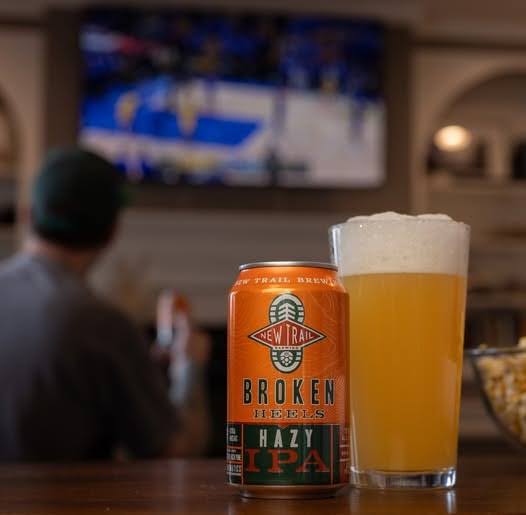
We’ve all been there—digging through the fridge or garage and spotting a forgotten can pushed to the back, then pausing to ask, How long is a can of beer good for, anyway? The real question isn’t just whether it’s safe to drink. It’s whether it still tastes the way it was meant to.
Beer can lose aroma, flavor, and balance long before it ever becomes unsafe, especially the kind made by a craft brewery with freshness in mind. So when we talk about beer going “bad,” we’re usually talking about quality slipping—not a hard expiration line, but a gradual fade from peak experience to something far less memorable.
Key Takeaways
- Beer doesn’t expire for safety, but flavor and aroma fade as it ages.
- Style and storage matter, with hop-forward beers aging fastest and cold, dark storage slowing the process.
- Drinking beer within its freshness window delivers the experience it was brewed to offer.
What “Good” Means With Beer
Beer doesn’t spoil the way milk or meat does. Thanks to alcohol and hops, canned beer and bottled beer are naturally resistant to harmful bacteria, which means expired beer is rarely unsafe to drink. The bigger issue isn’t safety; it’s whether the beer still delivers the flavor it was meant to have.
In most cases, drinking expired beer won’t make you sick, but it may not be something you want to drink beer for enjoyment.
Safe doesn’t mean tasty
A beer can be perfectly safe and still qualify as bad beer in terms of experience. Over time, hop character fades, stale flavors creep in, and a once fresh beer can turn flat or dull. That’s especially true for hoppy beers, where aroma and brightness matter most. When people say a beer has gone bad, they’re usually reacting to taste.
Freshness, quality, and expiration aren’t the same thing
Freshness is about peak flavor. Quality is how well the beer holds up as time passes. Expiration is more of a guideline. Most beers don’t suddenly cross a line where they’re undrinkable; they slowly lose what made them special. That’s why questions like how long does beer last or does beer expire don’t have one clean answer—it depends on style, beer storage, and time.
Best-by vs. brewed-on dates
A beer expiration date or best-by date is about quality, not safety. It’s the brewer’s estimate of when the beer will still taste right, based on the style and brewing process.
Brewed-on dates tell you how old the beer is, which can be more useful for hop-forward beers or lighter styles like pale ales or wheat beers. Whether it’s store beer, store cans, or an unopened beer at home, those dates are there to help you catch the beer closer to its peak flavor and not warn you away from something dangerous.
Knowing that difference makes it easier to decide when a beer is worth opening and when it’s better left behind.
A General Freshness Window for Canned Beer
When people ask how long canned beer lasts, they’re usually really asking about beer shelf life—not safety, but when the beer still tastes the way the brewer intended. While every beer is different, there are some realistic timeframes that apply to most store beer and craft beers, assuming proper beer storage.
Peak flavor: 6–8 months
For most styles, especially lighter beers and hop-forward options, peak flavor sits around 6–8 months after canning when the beer is kept cold in a cool fridge and away from light. This is when hop flavors are brightest, the beer pours clean, and the beer tastes balanced instead of tired. Even though canned beer lasts longer than bottles exposed to light, freshness still matters.
Extended life: Up to about one year
An unopened beer can often make it close to a year without becoming unsafe, especially if it’s been stored in a cool, stable environment. At this point, the beer is usually still drinkable, but flavors may feel muted. Hops soften, carbonation can drop, and some beers develop a flat taste or subtle cardboard-like flavors. It’s not spoiled beer, just no longer at its best.
Past prime: Flavor falls off faster
Once beer moves past its ideal window, decline accelerates. Stale beer shows up first in hop-driven styles, while darker beers, heavier beers, or high ABV beers like imperial stouts or brown ales often hold up better thanks to higher alcohol content.
That said, any beer can lose flavor over time, especially if exposed to light, direct sunlight, or warm room temperature storage.
Quick freshness guide
- Unopened + fridge: 6–8 months peak
- Unopened + cool dark place: ~6 months
- Up to ~1 year: still drinkable, less fresh
Cans offer strong protection compared to clear or green bottles, which are more vulnerable to UV light and can develop a skunky aroma faster. Keeping cans and bottles upright, cold, and out of direct light goes a long way toward keeping beer tasting the way it should, even if it’s been sitting for just a few months longer than planned.
Why Some Beers Age Faster or Slower
Not every beer is built to sit around. Style plays a big role in how quickly flavor fades, even when the can is stored properly. Here’s how it usually breaks down.
Hoppy, bright beers fade fast
IPAs, pale ales, and other hop-forward styles are all about aroma and freshness. Those bold hop notes don’t hang around forever. Even in a cold fridge, hop character drops off faster than anything else. The beer may still be drinkable, but the punch that made it exciting can disappear surprisingly quickly.
If hops are the star, earlier is always better.
Lagers and lighter styles hold steady for a while
Clean, crisp beers tend to age a bit more gracefully. They don’t rely on intense hop aroma, so they usually stay drinkable longer. That said, freshness still shows. Over time, carbonation can soften, and flavors lose some snap. They’re fine past their peak, just not as lively as they once were.
Darker and high-ABV beers are more forgiving
Stouts, porters, barleywines, and other higher-alcohol beers have more structure to lean on. Rich malt character and higher ABV slow down flavor loss, and in some cases, the beer can even gain depth with time. These styles are far less sensitive to sitting for a few extra months.
A realistic expectation
These aren’t hard rules. Brewing methods, ingredients, and storage all matter. But as a general guide: hop-forward beers reward freshness, lighter beers stay solid for a bit, and bigger, darker beers give you the most flexibility. Knowing that makes it easier to decide which cans to open now—and which ones can wait.
Don’t Let Your Beer Age Prematurely
Even the best beer can fall apart early if it’s stored the wrong way. Time matters, but how a can is kept often matters more.
Temperature: Cooler is always better
Heat speeds up aging. A cold fridge dramatically slows down the chemical reactions that dull flavor and aroma, which is why beer stored cold tastes fresher for longer. Room temperature won’t instantly ruin beer, but warm storage shortens its peak window fast.
Light: One big advantage of cans
Light exposure is a quiet beer killer. UV rays can trigger off flavors that create that familiar “skunky” aroma. Cans block light completely, which gives them a major edge over clear or green bottles. It’s one reason canned beer generally holds up better over time.
Position: Keep it upright
Storing cans upright reduces the surface area exposed to oxygen inside the container. Less oxygen contact means slower oxidation, which helps preserve flavor. It’s a small detail, but it adds up over months.
Avoid heat swings
Repeated warming and cooling does more damage than steady storage at a slightly higher temperature. Garages, sheds, and car trunks are especially rough environments. Heat cycles accelerate flavor breakdown faster than time alone.
Skip the freezer
Freezing beer can damage carbonation, push oxygen into the liquid as it thaws, and even warp the can. It might seem like a shortcut to cold beer, but it often leaves you with a flat, compromised pour instead.
Good storage won’t stop aging entirely, but it can keep your beer tasting the way we intended—fresh, balanced, and worth opening.
How to Tell If Your Canned Beer Has Gone Bad
You don’t need lab equipment to figure this out. A few quick checks—just like a bartender would do—usually tell you everything you need to know.
The smell gives it away first
Crack the can and take a whiff. Fresh beer should smell clean, inviting, or true to its style. If you pick up sour notes where they don’t belong, a papery or cardboard-like aroma, or anything musty or stale, the beer has likely aged past its prime.
Carbonation falls flat
Beer that’s lost its fizz rarely delivers a great experience. If it pours lifeless, feels thin in the mouth, or goes flat almost immediately, oxidation has likely taken its toll. Carbonation is a big part of how beer feels, not just how it tastes.
Cloudy when it shouldn’t be
Some beers are meant to be hazy, but clarity matters for others. If a beer that’s normally clear suddenly looks murky, chunky, or has unexpected floaties, that’s a sign something’s off—or at least well past its best window.
Off or Metallic flavors
A small sip can confirm what your nose already suspects. Metallic, harsh, overly bitter, or just plain “wrong” flavors are signs the beer has degraded. It might not be undrinkable, but it’s no longer doing the beer any favors.
Quality issue
Most of these signs point to flavor loss, not danger. Old beer is rarely unsafe thanks to alcohol and hops—it’s just not enjoyable anymore. When the experience is gone, that’s usually your cue to move on to a fresher can.
Opened Beer Isn’t Waiting Forever
Once you crack a can, the clock speeds up.
Drink it soon
If you reseal or cover an opened beer and keep it in the fridge, it’s best enjoyed within 1–2 days. After that, the beer may still be drinkable, but it won’t taste the way it did when you first opened it.
Oxidation works fast
As soon as beer is exposed to air, oxygen starts stripping away aroma and flavor. Hop notes fade first, carbonation drops, and the beer can take on a dull or stale character surprisingly quickly.
Opened beer isn’t meant to linger. For the best experience, treat it like fresh food—enjoy it while it still has something to say.
Enjoy Your Beer Fresh
Freshness is what makes great beer memorable. The aromatics pop, the balance feels right, and the beer tastes the way it was brewed to taste. That window matters most for hop-forward styles, but every beer shows its best side when it’s enjoyed at the right time.
If you want to experience our beer the way we intended, grab it fresh and drink it with purpose. Visit New Trail Brewing Co. to explore our IPAs, lagers, and rotating releases, or stop by our Tasting Room to enjoy them at peak freshness straight from the source.
Looking to stock up closer to home? Use our beer finder to track down fresh New Trail cans near you and make sure the next one you open is right in its prime.
Conclusion
Fresh beer is better beer. Drink it while it’s in its ideal window—especially hop-forward styles—and you’ll taste the difference every time.
Explore our IPAs, lagers, and more from New Trail Brewing Co., visit The Tasting Room for the freshest pours, or use our beer finder to track down fresh cans near you.
Frequently Asked Questions
Does beer expire?
Beer doesn’t expire in the way food does. Most beer is still safe to drink past its date, but flavor and aroma fade over time. When people say beer expired, they usually mean it’s past its best taste window.
How long does canned beer last?
How long canned beer lasts depends on the style and storage. Most beers taste best within 6–8 months when kept cold and dark. Up to about a year, it’s usually still drinkable, just less fresh.
What affects beer shelf life the most?
Beer shelf life is influenced by temperature, light, time, and style. Cold storage slows aging, cans protect against light, and hop-forward beers lose character faster than darker or higher-ABV styles.
Does canned beer go bad if it’s unrefrigerated?
Does canned beer go bad sitting warm? Not right away, but heat speeds up flavor loss. Beer stored at room temperature ages much faster than beer kept in a fridge, even if the can is unopened.
Recent Posts
-
 How Beer Trends Influence Williamsport Breweries
 -
 How a Williamsport Brewery Creates Consistent Flavor Profiles
 -
 What Makes Small-Batch Brewing Special at a Williamsport Brewery?
 -
 Common Beer Myths Debunked by a Williamsport Brewery
 -
 The Difference Between a Brewery, Brewpub, and Taproom in Williamsport

