How Long is Craft Beer Good for? Essential Tips for Freshness
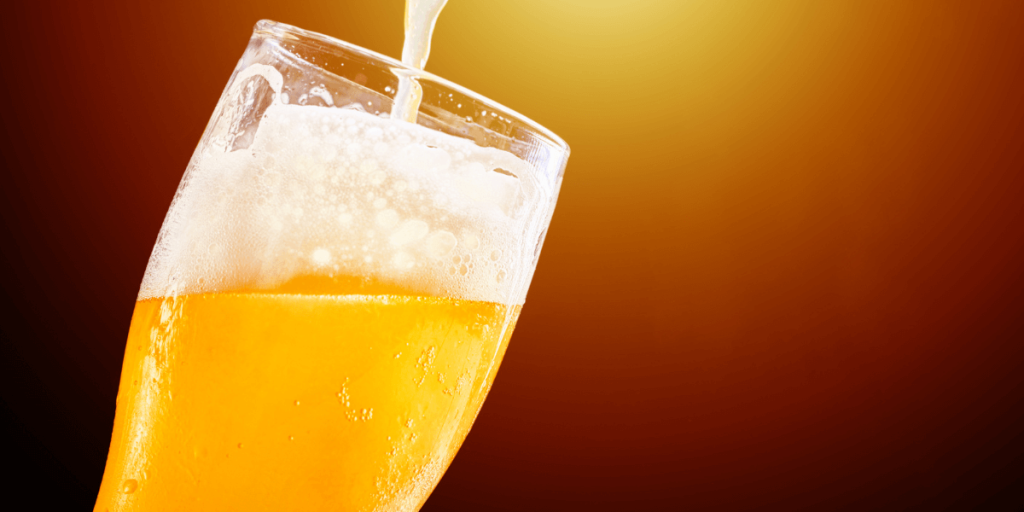
How long is craft beer good for? It’s a question a beer lover might have asked at some point. Freshness can make or break a brew and affect everything from flavor and aroma to the overall drinking experience.
Some styles are best enjoyed as fresh as possible, while others, like barrel-aged beers, can develop new depths over time. Let’s look at the factors that impact beer shelf life and we’ll also give you tips on how to keep your favorite brews tasting their best.
Key Takeaways
- Shelf life varies by beer style, with hop-forward beers best within 90 days and maltier, high-ABV brews lasting six to nine months or more.
- Proper storage in a dark area with a consistent temperature slows aging and keeps bottled beer and canned beer tasting fresh.
- Signs of expired beer include off flavors, loss of carbonation, and visual changes, making fresh beer the best choice whenever possible.
Factors Influencing Craft Beer Shelf Life
Craft beer doesn’t all age the same way. Beer freshness depends on style, alcohol content, and how it’s packaged. Some beers hold up over time, while others lose their edge faster than people realize.
Beer style and alcohol content
Hoppy beers like IPAs and pale ales are best enjoyed within 90 days to keep their vibrant, citrusy flavors intact. Over time, hop compounds break down, which leads to muted aromas and off-flavors.
Malt-forward or high-ABV beers—like stouts, barleywines, and barrel-aged beers—develop complexity with age and can last six months to a year or more when stored properly.
Packaging methods
Canned beer has a longer shelf life than bottled beer because it blocks out UV light and oxygen, two main reasons why beer can go stale quickly.
Growlers and crowlers should be cracked open and consumed as soon as possible. Once opened, oxidation kicks in fast, which flattens carbonation and dulls beer tastes.
How you store beer plays a huge role in its expiration date, so let’s look at the best ways to keep your favorite brewery releases tasting great.
Proper Storage Practices

Keeping craft beer fresh takes just as much thought as picking the right brew. Poor storage can lead to off flavors, dull aromas, and a disappointing pour, but a few simple steps will preserve the best flavor and extend your beer’s shelf life. Here’s how to store craft beer properly:
Temperature control
- Store beer at a consistent temperature between 45–55°F to slow aging and keep flavors intact.
- Extreme temperature changes can cause the beer to degrade faster, so avoid storing it in garages, attics, or anywhere that fluctuates between hot and cold.
Light exposure
- Direct sunlight and fluorescent lights react with hops, creating a skunky aroma in bottled beer—especially in lighter-colored bottles.
- Dark bottles and canned beer help block UV light, but for maximum beer freshness, store all beer in a dark place like a fridge or basement.
Oxygen exposure
- Too much oxygen can cause old beer to taste like cardboard or stale malt. Keeping bottles upright limits the surface area exposed to oxygen and reduces oxidation.
- Once you crack open a growler, drink it quickly. Oxygen and time aren’t friendly to fresh beer.
Next, let’s look at how to tell if a beer has gone bad.
How to Tell If Your Craft Beer Has Gone Bad
Even with the best storage methods, craft beer shelf life isn’t infinite. Most beer is brewed to be enjoyed fresh, and over time, changes in flavor, aroma, and carbonation can signal it’s past its prime. Here’s how to tell if a bottle or packaged beer is still good to drink.
Flavor & aroma changes
- A once-bright pale ale that now smells musty, sour, or flat might be too old.
- Hoppy beers lose their citrusy punch, while dark beers can take on a stale, cardboard-like taste.
Visual indicators
- Unusual haze, floating sediment, or a major color shift could mean the beer has expired or wasn’t stored properly.
- Some beers, especially unfiltered styles, naturally contain sediment, but excessive buildup in old beer may signal deterioration.
Carbonation loss
- A beer that pours flat with no head or bubbles may have lost its seal, impacting flavor and mouthfeel.
- Brewery-fresh beer should still have a lively carbonation and full-bodied texture, even after months of storage.
If a beer expiration date isn’t printed on the bottle or can, generally speaking, using your senses is the best way to decide if it’s still good to drink. Fresh is always better, but proper storage gives your beer the best chance at staying great longer.
Conclusion
Craft beer is best enjoyed fresh, especially when it comes to hop-forward styles like pale ales. While some beer styles can develop complexity over time, most are brewed to be drunk at their peak flavor.
Keeping an eye on storage conditions, packaging, and time frame helps preserve quality and extend the shelf life of your favorite brews. When in doubt, fresher is always better, so crack open a bottle and enjoy it the way the brewery intended!
Fresh Beer. Full Flavor. No Compromises.
Every craft brew is made to be enjoyed at its best—bold, fresh, and packed with flavor. New Trail Brewing Co. are craft brewers who put just as much thought into brewing as you do into choosing the perfect beer. Keep it fresh, store it right, and most importantly, enjoy every sip.
Find our beer near you or stop by the brewery’s Tasting Room for the freshest pour.
Frequently Asked Questions
How long does it take for craft beer to go bad?
The shelf life of craft beer depends on the beer style and storage conditions. Hop-heavy beers like pale ales can start losing their bright, fresh flavors within 90 days, while malt-forward or high-ABV beers can last six to nine months or more when stored properly.
Keeping beer in a cool, dark area extends its freshness, but over time, all beer will eventually degrade.
Is 2-year-old canned beer still good?
Most canned beer is brewed to be enjoyed fresh, but certain beer styles, like high-ABV barrel-aged beers, may still taste fine after two years if stored in ideal conditions. However, lower-ABV beers may have muted flavors, faded hops, or a flat taste.
Check for signs of spoilage—like odd aromas, off flavors, or a change in appearance—to determine if it’s still drinkable.
How can you tell if craft beer has gone bad?
The easiest way to tell if bottled beer or canned beer has expired is by using your senses. A flat beer with no carbonation, a musty or sour smell, or off flavors like cardboard or staleness are clear indicators. Visually, a beer that has developed unusual haze, floating sediment, or drastic color changes may be past its prime.
How long does craft beer last unrefrigerated?
If kept in a dark place with a consistent temperature, most beers can last three to six months before noticeable degradation. Exposure to direct sunlight, heat, or frequent temperature fluctuations can cause beer to spoil faster, leading to stale flavors and a shorter shelf life. Refrigeration is always the best option for preserving fresh beer longer.
Recent Posts
-
 How Beer Trends Influence Williamsport Breweries
-
 How a Williamsport Brewery Creates Consistent Flavor Profiles
-
 What Makes Small-Batch Brewing Special at a Williamsport Brewery?
-
 Common Beer Myths Debunked by a Williamsport Brewery
-
 The Difference Between a Brewery, Brewpub, and Taproom in Williamsport

