The Role of Hops in Beer Made at Williamsport Breweries
Beer starts with four essential ingredients: water, malt, yeast, and hops. While each plays an important role, hops have a unique influence on a beer’s bitterness, aroma, flavor, and overall stability. By selecting different hop varieties and adjusting when they’re added during the brewing process, brewers can create everything from crisp, balanced lagers to bold, hop-forward IPAs and countless styles in between.
Understanding the role of hops in beer made at Williamsport breweries offers a closer look at the craftsmanship behind every pour. At a brewery Williamsport beer enthusiasts visit, thoughtful hop selection and brewing techniques help shape each recipe, giving every beer its own distinctive character while maintaining balance and consistency.
Key Takeaways
- Hops contribute bitterness, aroma, flavor, and stability to beer.
- Different hop varieties create distinct flavor and aroma profiles.
- Brewers adjust hop selection and timing to achieve the desired character for each beer style.
What Are Hops?
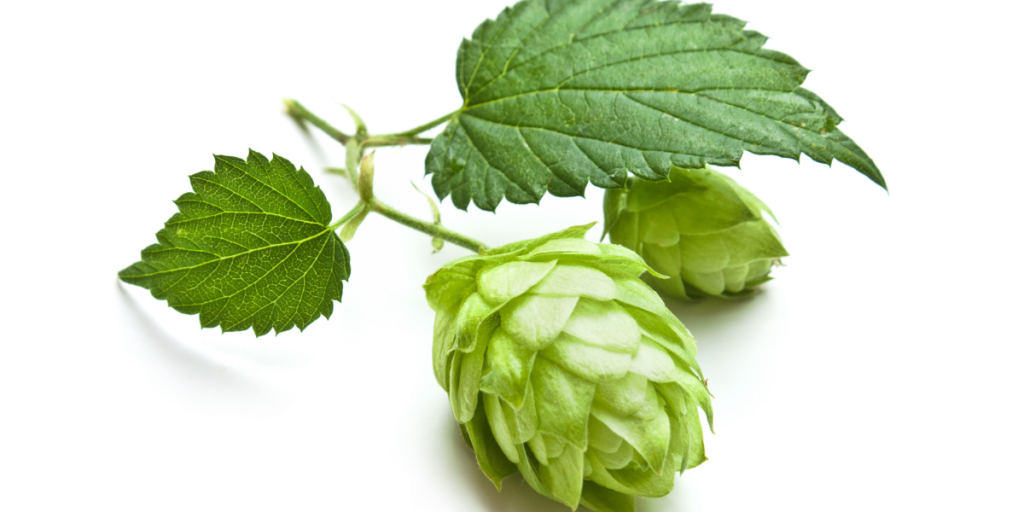
Hops are the flower cones of Humulus lupulus, a climbing plant cultivated specifically for brewing beer. While many people associate hops with the bold character of modern craft beer, they have been used in brewing for centuries because they contribute bitterness, aroma, and stability to the finished beer. Although brewers once experimented with other herbs, hops became the preferred ingredient thanks to their versatility and brewing performance.
Inside the hop cones are tiny glands that contain alpha acids, beta acids, essential oils, and hop oils. During the boil, alpha acids are transformed into compounds that add bitterness, while the aromatic oils create a wide range of flavors and aromas.
Depending on the variety, hops can express citrus, grapefruit, tropical fruit, mango, pine, piney, floral, earthy, fruity, and citrusy notes, giving brewers countless options for shaping a beer’s character.
Why hops matter in brewing
Hops play several important roles beyond creating bitterness. They help balance malt sweetness, contribute distinctive aroma and flavor, and support the overall stability of the beer through their natural preservative qualities.
Different hop varieties, including well-known options like Cascade hops and Centennial hops, offer unique combinations of aroma hops, bittering hops, and dual-purpose characteristics that allow craft brewers to build recipes for many different styles, from crisp lagers to hop-forward Hazy IPAs.
Brewers also adjust how hops are used throughout the brewing process to influence the final result. Traditional kettle additions focus on bittering, while techniques such as whirlpool hopping and dry hopping preserve more of the delicate essential oils and aromatic compounds that produce vibrant fruity flavors and expressive aromas.
Combined with malt, yeast, and fermentation, hops remain a remarkably versatile ingredient that helps define the balance, flavor, aroma, and overall taste of every beer.
How Hops Influence Beer Flavor
The bitterness in beer begins with the alpha acids found inside the flowers of the hop plant (Humulus lupulus). During the boil, these compounds are transformed into the bitter flavors that help balance the natural sweetness of malt. The amount of bitterness varies widely depending on the beer style. A crisp lager may have a restrained bitterness, while an IPA often delivers a much bolder hop character.
Brewers commonly refer to bitterness using International Bitterness Units (IBUs), which measure the concentration of bitter compounds in a beer. While IBUs provide a helpful point of reference, they don’t tell the whole story. The balance between malt sweetness, hop character, and other ingredients ultimately determines whether a beer tastes pleasantly balanced or intensely bitter.
Building aroma and flavor
Hops contribute much more than bitterness. Different varieties can add aromas and flavors ranging from citrus, pine, and floral notes to herbal, tropical, spicy, earthy, and resinous characteristics. Well-known varieties such as Cascade hops are prized for their bright citrus-forward profile, while countless other hop varieties offer their own unique combinations of aroma and flavor.
Brewers rarely rely on a single beer recipe using just one hop variety. Instead, they often combine multiple hops to build greater complexity, layering bitterness with expressive aromas and flavors.
How Brewers Use Hops During the Brewing Process
The timing of hop additions is just as important as the hop variety itself. By adding hops at different stages of the brewing process, brewers can control how much bitterness, aroma, and flavor make it into the finished beer. This flexibility allows each recipe to achieve its intended balance and character.
Early hop additions
Hops added near the beginning of the boil are primarily used for bitterness. The extended exposure to heat converts alpha acids into bitter compounds that balance the sweetness of malt. While these early additions contribute relatively little aroma, they provide the foundation for many beer styles.
Late hop additions
When hops are added toward the end of the boil or during whirlpool hopping, more of their delicate essential oils are preserved. These additions contribute vibrant aroma and flavor, producing notes such as citrus, pine, floral, tropical fruit, herbal, or earthy characteristics without dramatically increasing bitterness.
Dry hopping
Dry hopping takes place during or after fermentation, when hops are added without boiling. Because the hops aren’t exposed to high heat, this technique enhances hop aroma with relatively little additional bitterness. Dry hopping is especially popular in many modern hop-forward beers, including IPAs, where bold aromas and expressive hop character are central to the finished beer.
Hops and Different Beer Styles
Different beer styles rely on hops in different ways. Hop-forward styles like India Pale Ales (IPAs), pale ales, and Hazy IPAs showcase bold hop aroma, flavor, and bitterness. In contrast, amber ales, porters, stouts, and many lagers use hops more subtly to balance malt sweetness rather than dominate the flavor.
Why hop selection changes by style
There is no one-size-fits-all approach to brewing. Brewers choose hop varieties and hopping techniques based on the desired flavor profile of each recipe, ensuring the hops complement the beer’s overall character instead of overpowering it.
Choosing the Right Hops for Each Recipe
Selecting the right hop variety is an important part of recipe development. Brewers may choose bittering hops for balanced bitterness, aroma hops for expressive flavor and aroma, or dual-purpose hops that contribute both.
Building a balanced beer
Hops are just one piece of the brewing process. Malt, yeast, water, and brewing techniques all work together to create a finished beer with the intended balance, flavor, and character.
How We Use Hops at New Trail Brewing
At New Trail, every recipe starts with a clear goal. Hops are selected to complement the style of each beer, with different hop varieties and hopping techniques used to achieve the desired balance of bitterness, aroma, and flavor.
Balancing creativity and consistency
From established favorites to new releases, each recipe is thoughtfully developed with quality and consistency in mind. By pairing creative brewing with careful recipe design, we craft beers that reflect the character and style they’re intended to showcase.
Explore What’s Brewing
Ready to discover your next favorite beer? Visit the New Trail Tasting Room to explore our latest releases, or use our Beer Finder to locate New Trail beers at retailers and restaurants near you.
Conclusion
Hops are a defining ingredient in beer, contributing bitterness, aroma, flavor, and balance. By selecting different hop varieties and adjusting how they’re used throughout the brewing process, brewers can create a wide range of distinctive beer styles.
Frequently Asked Questions
What role do hops play in craft beer?
Hops help give craft beer its bitterness, aroma, flavor, and overall balance while complementing the malt, yeast, and water in each recipe.
What are fresh hops?
Fresh hops are hop cones used shortly after harvest rather than being dried and processed. They can create distinctive seasonal flavors and aromas in certain beers.
How do craft brewers choose which hops to use?
Craft brewers select hops based on the style they’re brewing and the flavor, aroma, and bitterness they want to achieve in the finished beer.
Why are different hop varieties used in beer?
Different hop varieties produce unique characteristics, including citrus, floral, pine, tropical fruit, and earthy notes, allowing brewers to create a wide variety of beer styles.
Recent Posts
-
 How Beer Trends Influence Williamsport Breweries
 -
 How a Williamsport Brewery Creates Consistent Flavor Profiles
 -
 What Makes Small-Batch Brewing Special at a Williamsport Brewery?
 -
 Common Beer Myths Debunked by a Williamsport Brewery
 -
 The Difference Between a Brewery, Brewpub, and Taproom in Williamsport

