Are IPAs Bitter? What Really Shapes the Taste of an IPA
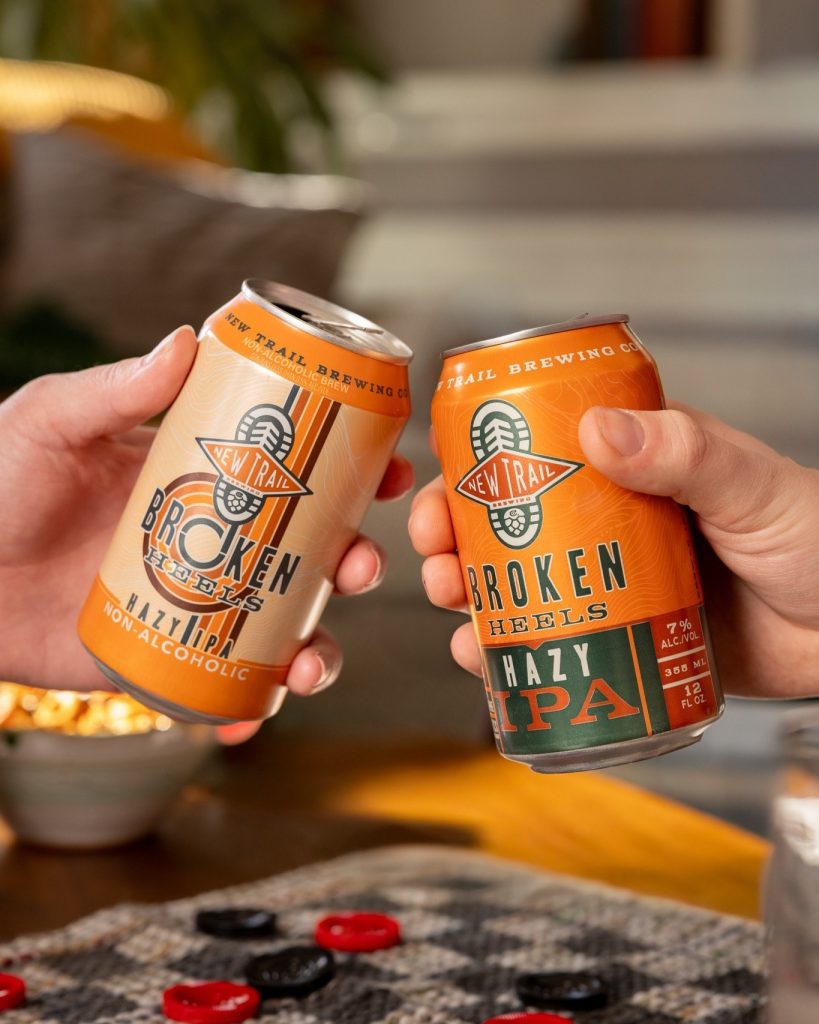
Someone always says it sooner or later: “I don’t like IPAs—they’re too bitter.” It’s usually stated like a fact, not an opinion, and the conversation moves on. But that raises a better question worth slowing down for: are IPAs bitter, or is that just the easiest way to describe a flavor that’s doing a lot more than people realize?
Spend enough time around an IPA brewery or talk to anyone who brews, drinks, or obsesses over hops, and you’ll hear a very different story—one that has less to do with bitterness alone and more to do with balance, aroma, and how your palate reads what’s in the glass.
Key Takeaways
- Bitterness in IPAs exists on a spectrum and isn’t the same from one beer to the next.
- Balance, mouthfeel, and aroma shape how an IPA tastes just as much as hops do.
- Your palate and expectations play a big role in whether an IPA comes across as bitter or smooth.
Bitterness vs. Flavor: Why Those Two Get Confused
Bitterness has a habit of grabbing attention first. In an IPA (India Pale Ale), that sharp edge often shows up right at the first taste, so it’s easy for beer drinkers to label the whole experience as bitter and move on.
But bitterness is only one of many flavor elements at work in an IPA. What’s really happening is that hops are doing more than one job at once. Yes, they can create a bitter taste, but hops also provide hoppy flavors like citrus, stone fruit, pine, or even soft tropical notes. Those flavors don’t always announce themselves as loudly, especially if you’re new to the IPA style or still developing your palate.
This is where confusion sets in across the craft beer world. A West Coast IPA might lean crisp and dry, making bitterness feel sharper, while a hazy IPA or New England IPA often brings a fuller mouthfeel, more sweetness, and a fruity flavor that softens the edges.
Both can be heavily hopped, both can use more hops, and both can land at a similar ABV, yet they taste like completely different beers. Even within American pale ales, double IPAs, or triple IPA territory, perceived bitterness shifts based on malt, alcohol, and how the beer was brewed.
That’s why bitterness tends to get blamed for everything. It’s the most obvious sensation, especially compared to most beers outside the craft beer movement, but it rarely tells the full story.
What people often describe as “too bitter” is really a mix of hop intensity, aroma, balance, and expectation—an acquired taste for some, a long-time favorite for every beer nerd who’s gone down the beer world rabbit hole.
The Role of Hops (And Why They Matter So Much)
Before getting into why some IPAs taste sharper than others, it helps to look at where bitterness comes from.
Hops are usually the first thing blamed when an IPA beer happens to taste bitter, but that’s only a fraction of what they actually do. Hops provide structure, aroma, and character. They shape what you smell before you sip and what lingers after you swallow. That’s why modern IPAs often feel expressive and layered, while other beers, even strong ales with higher alcohol content, can taste heavier or more straightforward.
When people focus only on bitterness, they miss the other flavors hops bring to the table. Depending on the variety and how it’s used, hops can be citrusy, floral, herbal, or resinous. Those other flavors are still coming from hops, even if bitterness is the sensation that shows up first.
Timing changes everything
When hops are added during the brewing process, it matters more than most people realize. Early hop additions increase international bitterness units (IBU), which measure how bitter a beer is likely to taste. This approach shows up more often in England-style IPAs, where bitterness played a stronger structural role.
Modern American IPAs took a different path. Many brewers shifted hops to later stages of the process to build aroma and flavor without stacking more bitterness. Techniques like dry hopping let brewers push bold hop character while keeping the beer smoother and easier to drink. That shift is a big reason IPAs today can feel softer, juicier, or more aromatic than their earlier counterparts.
One ingredient, two very different experiences
The same hop can deliver bitterness and aroma; it just depends on how it’s used. Add it early, and bitterness dominates. Add it later, especially at colder temperatures, and aroma takes the lead. This balance is something many breweries fine-tune based on style, ABV, and the overall goal for the beer.
That’s why even judging standards like the Beer Judge Certification Program don’t reward bitterness alone. A great IPA is about harmony. Two beers with similar alcohol levels, or even high ABV, can be drunk completely differently depending on hop timing and technique. Hops aren’t there to overwhelm; they’re there to steer the beer in a specific direction.
Not All IPAs Are Built the Same
When people talk about IPAs like they’re one fixed thing, it usually comes from tasting a single version and assuming the rest follow the same rules. In reality, every IPA is the result of choices. Brewers head down different paths depending on what kind of hoppy beer they want to end up with, and those decisions shape how bitterness shows up—or doesn’t.
Why some IPAs hit hard with bitterness
Some IPAs are designed to make a statement right away. These beers often lean on early hop additions during the brewing process, which raises international bitterness units (or international bittering units) and pushes that sharp edge forward.
Pair that with more alcohol, and bitterness can feel even more pronounced. These IPAs aren’t trying to ease you in; they’re built for drinkers who enjoy intensity and that classic hop bite.
Why others taste soft, juicy, or smooth
Other brewers take a slower, more layered approach. Instead of chasing numbers, they focus on how the beer feels and flows. Late hop additions, restrained bitterness, and sometimes a lower ABV create IPAs that come across softer and rounder.
The hop character is still there—it’s just expressed through aroma and flavor rather than bite. These beers can still be hoppy, but they’re designed to feel approachable, even on the first sip.
Brewing choices make all the difference
This is where the long journey of an IPA really comes into focus. Modern American IPAs reflect a shift in priorities, moving away from bitterness as the main event and toward balance and drinkability.
Small changes (when hops are added, how much alcohol is present, and how the beer is conditioned) can completely change the experience. That’s why two IPAs can share a name and still taste worlds apart. They’re not following a single formula; they’re following different ideas of what an IPA should be.
Why Your IPA Tastes Bitter (Even If It’s Not “High-Bitterness”)
Sometimes the beer isn’t the issue—it’s everything around it. Bitterness is one of those sensations that changes based on context, and IPAs are especially sensitive to that.
Your palate plays a bigger role than you think
Everyone’s palate is different. Some people are naturally more sensitive to bitter flavors, the same way others are sensitive to spice or acidity. If you’re new to IPAs, bitterness can jump out simply because your palate isn’t used to it yet. For others, that edge fades quickly as they pick up on balance, texture, and flavor underneath.
Expectations shape the experience
What you expect to taste matters. If you go into an IPA assuming it’s going to be harsh or aggressive, your brain is already looking for bitterness. That first sip gets judged fast. When the expectation is “this will be bitter,” bitterness tends to dominate the experience, even if the beer itself is fairly balanced.
Temperature, freshness, and carbonation
How an IPA is served changes everything. Colder beer can mute aroma and emphasize sharpness, making bitterness feel more pronounced.
As the beer warms slightly, softer flavors often come forward. Freshness matters too—IPAs are at their best when they’re fresh, and as they age, hop character can shift in ways that feel more biting. Carbonation adds another layer; higher carbonation can sharpen the perception of bitterness, while softer carbonation smooths it out.
What you’re comparing it to
IPAs often get judged against lighter beer styles. If your usual reference point is a crisp lager or light ale, an IPA is going to feel intense by comparison. That doesn’t mean it’s overly bitter—it just means it’s operating on a different scale. Compared to lighter styles, IPAs bring more aroma, more flavor, and more going on overall, which can all get lumped into “bitter” at first.
Put all of that together, and it’s easy to see why bitterness feels subjective. The beer hasn’t changed, but your palate, expectations, and frame of reference might have.
So… Are IPAs Bitter or Not?
The honest answer is: sometimes, and sometimes not in the way people expect. Bitterness isn’t a switch that’s either on or off. It lives on a spectrum, and where an IPA lands depends just as much on perception as it does on ingredients. Two people can drink the same beer and walk away with completely different takeaways, both convinced they’re right.
What tends to get overlooked is how many moving parts are involved. Hops, malt, alcohol level, freshness, and even how you’re feeling that day all influence how bitterness shows up. One sip might read as sharp and assertive; another might feel balanced, flavorful, or even smooth. Neither reaction is wrong; it’s just your palate doing what it does.
That’s why conversations around IPAs are always evolving. What tasted intense on your first encounter might feel approachable later on. Or maybe you gravitate toward styles where bitterness stays in the background. Either way, bitterness isn’t the final word—it’s just one piece of a much bigger picture that keeps changing the more you explore.
Keep Exploring What Beer Can Be
If this got you rethinking bitterness, the best way to keep that conversation going is with a beer in hand. Drop by the Tasting Room today, and explore how different IPAs express hops in completely different ways, from bold and expressive to soft and balanced. Not feeling hoppy today? We brew lagers too, along with other styles built for easy drinking and flavor-forward balance.
Not local? Use our Beer Finder to track down fresh cans near you and see what’s pouring in your area right now. Whether you’re in the mood for an IPA, a crisp lager, or something in between, there’s always more to discover when you let curiosity lead the way.
Conclusion
IPAs don’t boil down to one defining trait. Bitterness can be part of the experience, but it’s shaped by balance, perception, and how the beer is built—not just how many hops went into it. The more you pay attention to flavor, texture, and aroma, the clearer it becomes that IPAs aren’t one-note beers. They’re meant to be explored, not written off after a single sip.
Frequently Asked Questions
What makes craft beer different from other beers?
Craft beer is usually brewed in smaller batches with a focus on flavor, creativity, and quality ingredients. Compared to mass-produced options, it tends to offer more variety and personality, giving drinkers a wider range of styles and taste experiences.
What does a hazy IPA taste like?
A hazy IPA often tastes softer and juicier than other IPAs, with notes that can lean fruity or citrus-forward. The bitterness is usually more restrained, and the beer often has a fuller mouthfeel that makes it feel smooth rather than sharp.
How is a pale ale different from an IPA beer?
A pale ale is generally more balanced and less intense than an IPA beer. While both use hops, pale ales typically have lower bitterness and alcohol, making them lighter and easier to drink without the bold hop punch IPAs are known for.
What do double IPAs taste like compared to regular IPAs?
Double IPAs tend to taste bolder and more intense, with stronger hop character and higher alcohol. The flavors can feel amplified across the board, which is why they often come across as richer, heavier, and more assertive than standard IPAs.
Recent Posts
-
 How Beer Trends Influence Williamsport Breweries
 -
 How a Williamsport Brewery Creates Consistent Flavor Profiles
 -
 What Makes Small-Batch Brewing Special at a Williamsport Brewery?
 -
 Common Beer Myths Debunked by a Williamsport Brewery
 -
 The Difference Between a Brewery, Brewpub, and Taproom in Williamsport

