How a Williamsport Brewery Creates Consistent Flavor Profiles
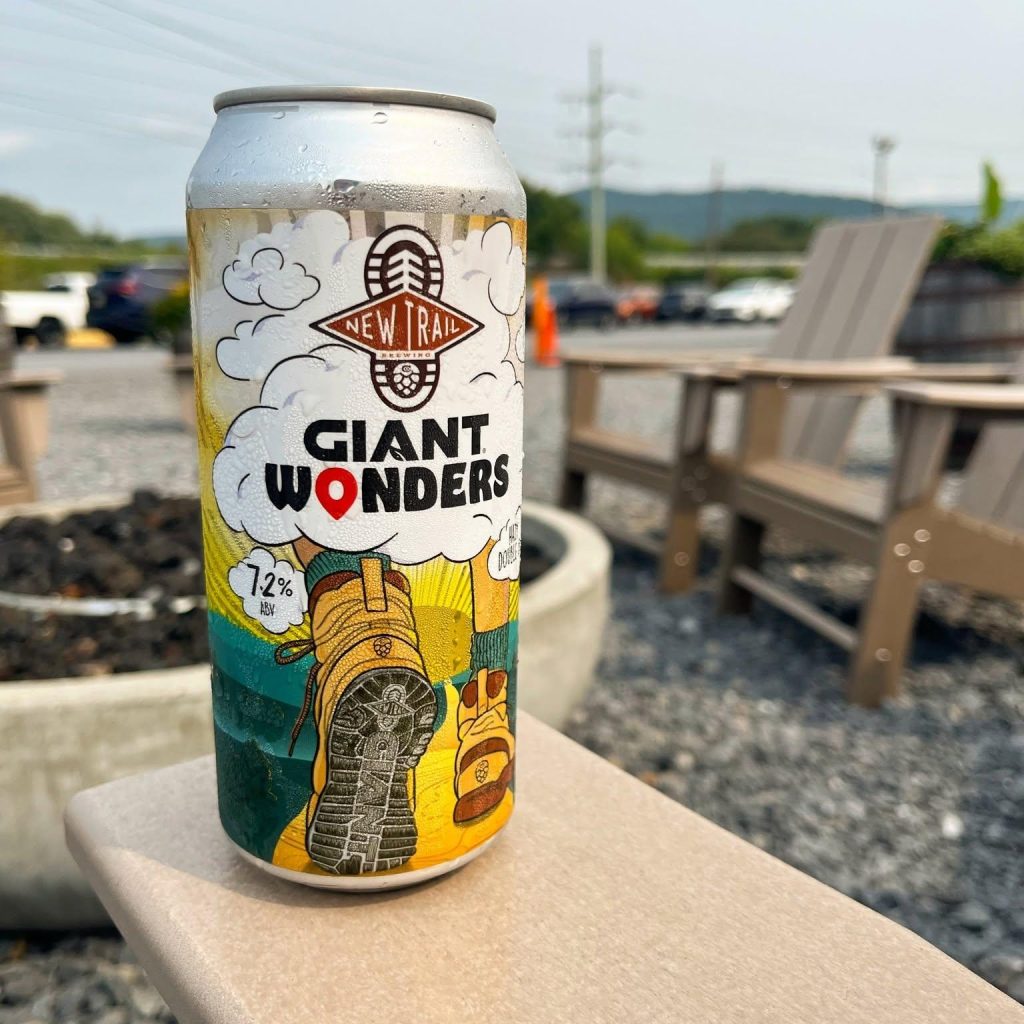
Think about a beer you keep coming back to. You remember the aroma, the balance of sweetness and bitterness, the body, and the way the last sip finishes. When you order it again, you expect those familiar characteristics to be there.
Creating that consistency takes more than following the same recipe. Ingredients, brewing conditions, fermentation, and other decisions throughout the brewing process can all influence the flavor that eventually reaches the glass.
How a Williamsport brewery creates consistent flavor profiles can be answered here as we offer a look at the work behind that familiarity. At our brewery in Williamsport, the goal is to create beers with their own distinct character while paying careful attention to the process that helps those characteristics come through as intended.
Key Takeaways
- Consistency starts with a clear flavor target. Each beer has its own intended combination of aroma, flavor, body, bitterness, and finish.
- Repeating a recipe is only part of the process. Ingredients, brewing conditions, fermentation, measurements, and sensory evaluation can all influence how a beer develops.
- Consistency creates familiarity for the drinker. When someone returns to a favorite beer, a recognizable flavor profile helps deliver the experience they remember.
What Is a Consistent Flavor Profile?
A consistent beer doesn’t mean every beer from a brewery tastes the same. It means each beer continues to deliver the flavor, aroma, body, bitterness, and balance intended for that particular recipe.
Consistency doesn’t mean sameness
Different beer styles naturally have different flavor profiles. A pale ale may emphasize hops and bitterness, while amber ales can lean toward malt, caramel, and sweetness. Stouts, lagers, and other styles bring their own characteristics to the glass.
That diverse range is part of what makes craft beer interesting. Brewers can create unique flavors by combining malt, hops, yeast, and other ingredients while still working toward consistency in each beer.
For beer enthusiasts, that consistency creates familiarity. When a favorite beer reaches their taste buds again, its flavor and aroma profiles should be recognizable, even when it sits alongside completely different styles.
A Beer’s Flavor Starts With the Recipe
Before brewing begins, the recipe provides the blueprint for the beer’s flavor profile. The types and amounts of malt, hops, and yeast all matter, as do the brewing techniques that determine when and how those ingredients are used.
Ingredients build the profile
Malt made from barley can contribute body, color, and flavors ranging from subtle sweetness to caramel or roasted character. Hops can bring bitterness along with fruity, herbal, floral, or other aromatic compounds, depending on the varieties used. Yeast adds another layer of complexity as it ferments the beer and contributes its own characteristics.
How those elements are combined helps give each recipe its identity.
Timing matters, too
Ingredients can also have different effects depending on when they enter the brewing process. Hop additions are a good example: hops added at different stages can contribute differently to bitterness, flavor, and aroma.
That timing gives brewers another way to shape the final product. It isn’t simply which hops go into a beer, but how they are used throughout the recipe that helps create the intended character.
Consistent Ingredients Help Create a Familiar Beer
A recipe can stay the same on paper, but the ingredients used to brew it still matter. Differences in malt, hops, yeast, and other ingredients can influence the flavor, aroma, and overall character of a batch.
That makes ingredient selection an important part of producing a familiar beer. At New Trail, careful ingredient selection is one of the quality measures used to help support the intended characteristics of the finished beer.
For craft brewers, the goal isn’t to eliminate the natural character of brewing ingredients. It’s to understand what those ingredients contribute and use them in a way that supports consistency from one batch to the next.
Small Brewing Variables Can Affect the Final Flavor
Following the same recipe is only part of creating a consistent beer. Small differences during production can affect how a batch develops, which is why repeatable brewing conditions matter alongside the ingredients themselves.
Temperature and pH
During the mash, temperature and pH can influence the wort that eventually moves into fermentation. Keeping those conditions within the intended range helps give each batch a more consistent starting point for the stages that follow.
Mash pH and temperature are monitored during the brewing process. Keeping an eye on these variables provides useful information about the conditions in which each batch is developing.
Fermentation Helps Define the Beer
Once wort reaches fermentation, yeast begins converting sugars into alcohol and carbon dioxide while contributing to the beer’s finished character. Factors such as time and temperature can influence fermentation and, ultimately, the flavors and aromas that develop.
Keeping fermentation on track
Monitoring fermentation helps brewers understand how a beer is progressing and whether it is developing as expected. Because fermentation plays such an important role in the final character of a beer, maintaining appropriate conditions helps support consistency from one batch to the next.
The result is another piece of the larger goal: allowing each beer to develop the flavor profile intended for it.
Brewers Measure What Is Happening Along the Way
Consistency isn’t judged by taste alone. Measurements taken during the brewing process can give brewers useful information about how a beer is developing and whether important conditions are where they are expected to be.
At New Trail, tests are conducted on wort and beer to evaluate consistency, clarity, and flavor profile. Final gravity is also monitored as part of the process.
Measurements such as gravity, temperature, and pH provide different pieces of information at different stages of brewing. Together, they help brewers understand what is happening as a batch moves toward the finished beer.
Flavor Still Has to Pass the Human Test
Measurements can reveal a lot about how a beer is developing, but numbers alone can’t describe the complete drinking experience. Aroma, flavor, balance, and mouthfeel ultimately have to be experienced through the senses.
Tasting for the intended profile
Sensory evaluation gives brewers another way to assess a beer, including whether its aroma and flavor reflect the intended profile and whether unwanted characteristics or off-flavors are present.
Batches undergo sensory evaluation before release. That adds a human perspective to the measurements gathered throughout brewing, helping evaluate the beer as people will ultimately experience it.
Our beers are intended to be consumed from the glass or straight from the can. Our motto is crafted by adventure standing by this easy beer intended to be consumed outdoors in the easiest way possible.
Packaging Helps Preserve the Flavor Brewers Created
Once a beer has developed its intended flavor profile, packaging becomes part of protecting what the brewing process created. Exposure to unwanted oxygen can change a beer over time, making careful packaging important to preserving its intended character.
At New Trail, can seams are rigorously tested, and each packaging run is tested for dissolved oxygen with the goal of minimizing atmospheric oxygen inside the can.
Consistency continues after brewing
Care for the beer continues after packaging. New Trail moves packaged beer into a refrigerated, climate-controlled warehouse. From there, it leaves on refrigerated New Trail trucks bound for refrigerated wholesalers.
These practices extend attention to the beer beyond the brewhouse, helping protect the flavor and freshness customers ultimately experience when they open a can.
What Consistency Means for Your Favorite New Trail Beer
For the person drinking the beer, consistency is much simpler than all the measurements and decisions happening behind the scenes. It means recognizing the characteristics that made a favorite beer memorable in the first place.
Broken Heels is a good example. Its profile brings together luminous citrus, rich conifer notes, and refreshing tropical notes, with full mouthfeel, low bitterness, and a soft palate. Together, those characteristics give Broken Heels its recognizable identity.
When someone comes back to a familiar beer, that identity is what they expect to find in the glass. Consistency helps preserve that connection between the beer people remember and the one they’re enjoying now.
Consistent Flavor Matters
Trying something new is part of the fun of craft beer, but there’s also something satisfying about returning to a beer you already know. Previous pours create an expectation of what that beer will taste, smell, and feel like the next time around.
Consistency helps maintain that familiarity without limiting creativity. A brewery can produce beers with completely different flavor profiles while still giving each one a clear and recognizable identity.
For the drinker, that means there’s room to explore something different or come back to an old favorite and know what made that favorite worth returning to in the first place.
Conclusion
A familiar flavor doesn’t happen by accident. A recipe gives a beer its identity, but consistency comes from the attention given to that beer as it moves from an idea to the glass.
That attention allows each beer to keep its own character while giving drinkers something recognizable to return to. And when the next pour tastes like the beer you remembered, all the work behind that familiarity has done its job.
Find Your Familiar Favorite
Ready to come back to a favorite or find a new one? Visit our Tasting Room to see what’s currently pouring and explore the beers available straight from the source.
Not nearby? Use the Beer Finder to find New Trail beer closer to home. Whether it’s one you already know or something new to try, your next pour is out there.
Frequently Asked Questions
How do different beer styles maintain consistent flavor profiles?
Different beer styles have their own intended characteristics, from aroma and bitterness to body and finish. Consistency means maintaining the recognizable profile of an individual beer from batch to batch, rather than making every style taste alike.
Why is flavor consistency important in craft beer?
Flavor consistency helps craft beer drinkers know what to expect when they return to a familiar beer. It preserves the characteristics that give that beer its individual identity.
How does the brewing process affect flavor consistency?
Variables throughout the brewing process can influence how a beer develops. Ingredients, mash conditions, fermentation, and packaging can all play a role in the flavor and aroma that ultimately reach the glass.
How do brewing techniques help create a consistent beer?
Brewing techniques give brewers ways to manage the variables that shape a beer. Following an intended recipe and monitoring relevant conditions throughout production can help support a recognizable finished profile.
Recent Posts
-
 How Beer Trends Influence Williamsport Breweries
 -
 How a Williamsport Brewery Creates Consistent Flavor Profiles
 -
 What Makes Small-Batch Brewing Special at a Williamsport Brewery?
 -
 Common Beer Myths Debunked by a Williamsport Brewery
 -
 The Difference Between a Brewery, Brewpub, and Taproom in Williamsport

