Behind the Scenes: How Breweries in the United States Turn Grain into Your Pint
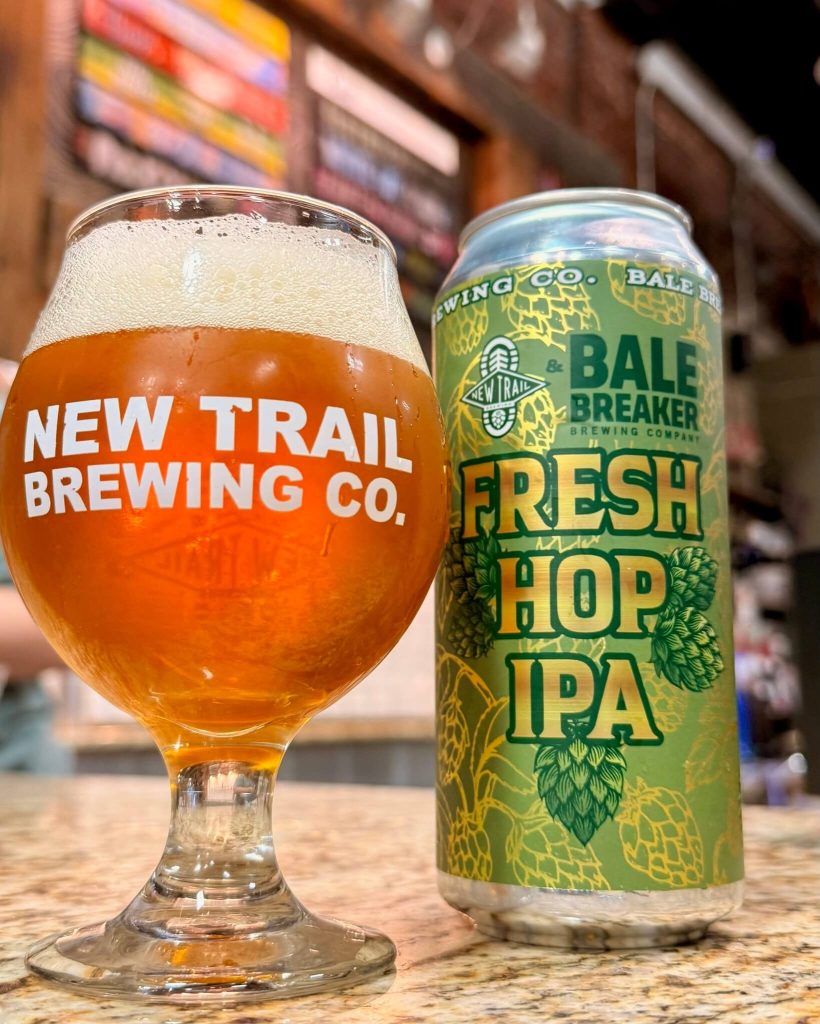
We’ll keep this simple: four ingredients—grain, water, hops, and yeast—go into the tanks of a brewing company and out comes the craft beer you love.
Why it matters: once you know how most breweries in the United States turn grain into beer, you’ll spot freshness cues on cans, choose pours with confidence, and enjoy smarter, whether you’re building a flight in the Tasting Room or packing a cooler for the weekend.
Key Takeaways
- In the craft brewing sector, process choices—mash temps, hop timing, and oxygen control—shape body, aroma, and stability, helping you choose pours with confidence.
- Freshness wins: operating craft breweries protect flavor with fast chilling, cold storage, and clear date codes, so grab cold, recent cans for the brewer-intended experience.
- Style and ABV go hand in hand, from crisp lagers to barrel-aged beers, so match pour size to the moment, whether it’s a flight at the tap or a can at home.
The Grain Start: Flavor, Body, and Foam
Every great brew day begins with grain. Across breweries in the United States, base malts (usually barley) build the backbone for beer production—fermentable sugars, bready notes, and the structure that supports foam. Layer in specialty malts, and the personality shows up fast.
Light kilned malts can read like crackers or honey; darker roasts lean to toast, caramel, cocoa, even a hint of coffee. A little goes a long way, which is why brewers treat them like spice—measured and intentional.
For that soft, cushiony texture you love in certain styles, brewers reach for oats and wheat. They bring proteins and beta-glucans that make beer feel silkier, boost head retention, and, in hazier styles, help keep that golden glow suspended in the glass.
All of it starts with the mill. The goal is a just-right crack that exposes the starchy center while leaving the husk mostly intact. That intact husk later acts like a built-in filter bed, letting sweet wort run clear.
Too fine a grind can gum up the works; too coarse and you leave flavor on the table. Get the crush right, and everything that follows (mash, lauter, boil, and beyond) runs smoother.
Mash: Where Sweet Wort Is Born
This is the moment grain becomes beer. Warm water is mixed with the freshly crushed malt and let natural enzymes wake up. Their job is simple and brilliant: turn starches into sugars. When the mash is finished, we’ve got sweet wort, which is the flavorful, sugar-rich liquid that yeast will later transform into alcohol and CO₂.
Mash temperature quietly shapes the beer’s texture. Cooler mashes create more simple, fermentable sugars, leading to a crisper, drier finish. Warmer mashes leave a touch more unfermentable sugars behind, building a rounder body and softer finish. Think snappy and lean on one end; cushy and smooth on the other.
Because those sugars are the yeast’s food, the mash also sets the beer’s future strength. More fermentable sugar up front means more potential ABV later; less fermentable sugar keeps things lighter. In other words, the mash is where we sketch the beer’s body and balance before a single bubble of fermentation begins.
Lauter & Runoff: Clarity and Efficiency
After the mash, the grain bed becomes a natural filter. Craft brewers recirculate the sweet wort gently until it runs bright, then draw it off to the kettle. Flow matters here—too fast and you compact the bed; too slow and you waste time. A steady, even runoff keeps the wort clear and captures flavor without dragging fines along for the ride.
Hot water “sparging” rinses remaining sugars from the grain at a controlled rate to boost efficiency without leaching harshness. When the kettle is full, the grain has done its job, and it doesn’t go to the landfill. Spent grain heads to local farms and partners for feed, baking, or compost, turning brew day leftovers into something useful beyond the brewhouse.
Boil: Bittering, Sterilizing, Setting the Stage
Once the sweet wort hits the kettle, the craft brewery will bring it to a rolling boil. That boil does three big jobs at once: it sterilizes the wort, drives off unwanted volatiles (think cooked-corn notes from precursors), and helps proteins coagulate so the beer finishes clearer and more stable. It also concentrates the wort slightly and sets the final hue you’ll see in the glass.
Hops meet the boil in timed waves. Early additions spend the most time in the kettle, letting alpha acids isomerize into firm, clean bitterness. Later tosses (near the end of the boil) skip most of that conversion and lean into flavor and aroma instead: citrus, pine, tropical, floral, depending on the variety. Same hop, different timing, totally different result.
When the burners go off, the whirlpool starts. Spinning the hot wort gathers hop matter and proteins into a tight cone in the center so we can draw off bright wort from the side. It’s also where we load up on modern hop character: adding hops in the whirlpool (or at a short “hop stand” just below boiling) keeps bitterness in check while pulling a big, saturated aroma.
The target is simple—maximum hop expression, minimum harshness—so the next step, fermentation, has the perfect canvas to paint on.
Chill & Transfer: Protecting Freshness
Right after the whirlpool, timing is everything. We run the hot wort through a heat exchanger to drop it from near-boiling to yeast-friendly temps in minutes. Fast chilling locks in bright aroma, sets protein haze the right way, and gives yeast a clean, stable starting line for fermentation.
From there, we move the cooled wort to the fermenter with oxygen control at the forefront of our minds. A tiny dose of oxygen before yeast is pitched can help certain styles get rolling, but any extra oxygen after fermentation is a flavor thief that dulls hops, pushes stale notes, and shortens shelf life.
That’s why lines and tanks are purged, transfers are closed, and the path from kettle to tank is tight and tidy. Keep oxygen out, and the beer you taste stays fresher, longer.
Fermentation: Yeast Time (The Real Magic)
This is where sweet wort becomes beer. We pitch yeast, set the temperature, and let billions of tiny workers clock in.
Ale yeast prefers warmer ranges and can throw bright notes when we let it stretch its legs; lager yeast likes it cooler, working slower for a crisp, ultra-clean profile. Temperature control is the steering wheel—nudge it up, and you’ll taste more fruitiness. Keep it cooler, and the flavors will stay lean and focused.
As yeast eats the sugars, the gravity of the beer drops—your sign that sugar is being turned into alcohol and CO₂. That CO₂ naturally carbonates the beer in the tank, and we’ll sometimes capture a portion for a softer, more integrated fizz. When gravity settles where we planned, we know the beer’s strength (ABV) has landed and the flavor is on track.
For hop-forward beers, timing is everything. The hops are added during active fermentation (dry hopping) so yeast can unlock juicy compounds in a process brewers call biotransformation. That’s how you get those saturated citrus, tropical, and stone-fruit aromas without piling on harsh bitterness.
Once the yeast finishes its job, it’s given time to clean up any rough edges, then it’s moved on to cold conditioning to polish the beer for the pour.
Conditioning: Clean Edges, Polished Flavor
Once fermentation finishes, the beer gets a little quiet time to come together. The tank is cold crashed so proteins and hop particles settle out, sharpening clarity (or dialing in that stable haze for modern IPAs). This pause lets flavors knit—rough edges round off, aromatics align, and the beer tastes more like a finished idea than a work-in-progress.
Next comes carbonation, tuned to the style. Crisp lagers get a lively snap; hop-forward ales lean softer to carry aroma; and stouts usually sit lower for a smooth glide. Your favorite brewing company (that’s us!) uses precise CO₂ targets, so the bubbles match the recipe.
Before packaging, breweries run quick checks to confirm the beer is bright, stable, and on-spec—gravity settled, flavor locked, and ready for the road. When it all lines up, the beer moves to cans and kegs with the character the brewer intended. That final polish is why thoughtful beer production drinks cleaner, fresher, and more consistent from first sip to last.
Hops: Selection, Storage, and That First-Sip Pop
Not all “Citra” (or any variety) smells the same. Harvest timing, farm, and even field position change a hop’s personality, so a brewing company will sample different lots of the same variety and pick the one that delivers the vibe they want—bright citrus, lush tropical, piney snap, or something in between. That lot choice is a quiet lever behind the aroma you notice before the first sip.
Keeping that character intact is all about storage. Once hops are pelletized, they’re sealed up, kept cold, and protected from oxygen and light. Low-oxygen, cold storage slows the breakdown of delicate hop oils, which is why hop-forward IPAs burst when they’re fresh and feel dull if the supply chain gets warm.
So why do some beers explode with aroma on release day? Freshly selected lots, big late/whirlpool additions, and well-timed dry hops load the wort with volatile oils, then quick, cold handling moves the beer into cans and kegs before those aromas fade.
When breweries nail selection and storage, you get that head-turning nose the moment the can cracks, and that’s proof that careful choices upstream pay off in the glass.
How the Process Shows Up in Your Glass
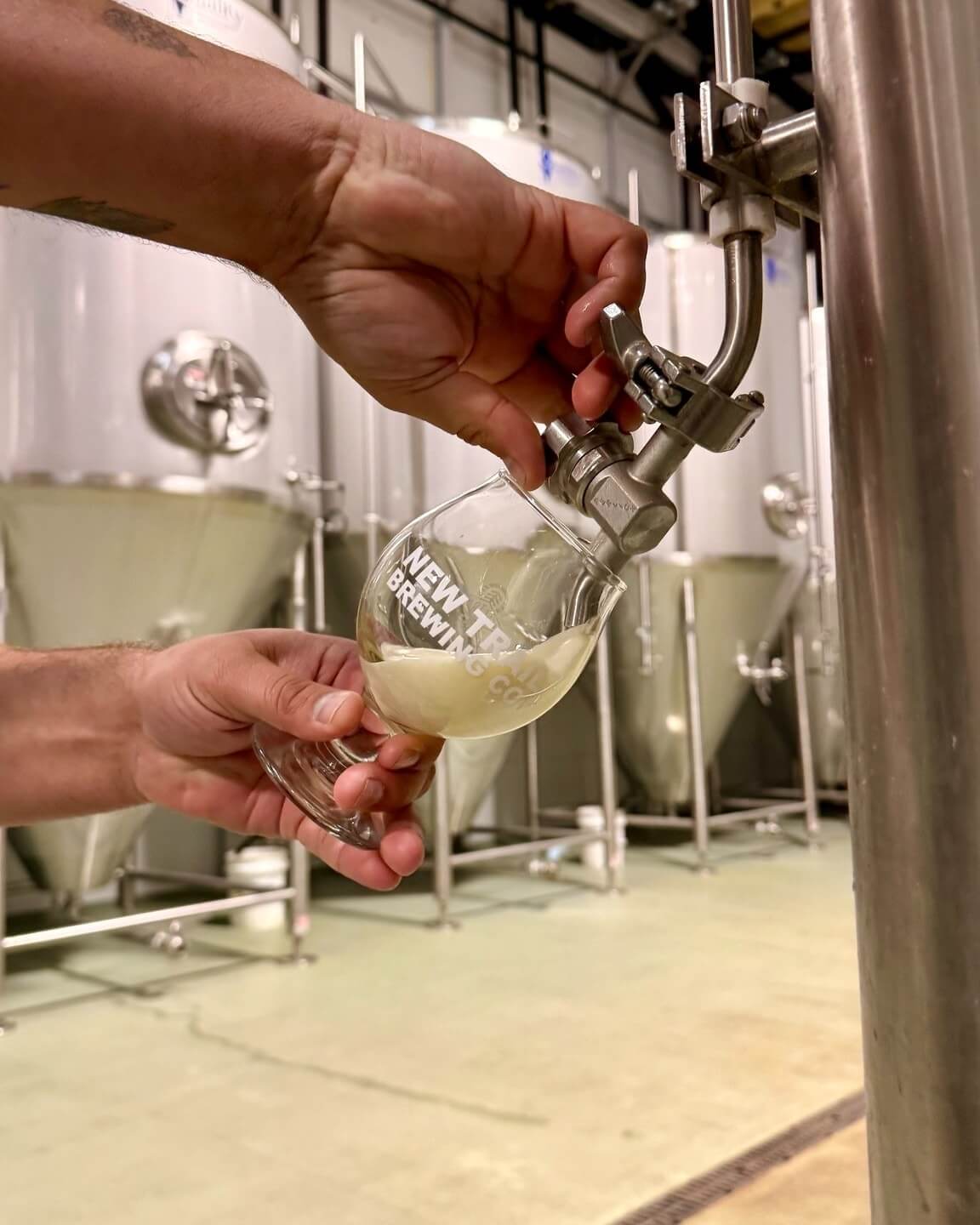
The choices brewers make earlier in the day are exactly what you taste later. Take crisp lagers: a cooler mash creates more fermentable sugars, fermentation happens clean and cold, then the beer rests (lagering) until the edges smooth out. Tight, higher carbonation snaps everything into focus, so you get that dry, refreshing finish with a bright, steady foam.
For hazy IPAs, the recipe tilts toward protein-rich grains like oats or wheat to build a pillowy body. Hops arrive late, so aroma blooms without piling on harsh bitterness. The result is saturated citrus or tropical notes, a softer bubble, and that signature glow in the glass.
With stouts and porters, specialty malts do the heavy lifting: roasted barley, chocolate, or caramel malts deepen color and layer cocoa, coffee, or toffee.
A slightly warmer mash leaves more residual body, and gentler carbonation keeps the texture smooth and the roast flavors lingering rather than prickly. Three styles, three paths, and now you know why they feel so different sip to sip.
See It, Sip It
Want to taste how the New Trail Brewing Co. process produces great beer? Drop by our Williamsport Tasting Room for fresh pours and flights, all the good stuff straight from the source at our brewing company. Not nearby? Use our Beer Finder to track down cans and drafts close to home.
However you explore, sip with curiosity and enjoy the adventure responsibly.
Conclusion
From mash temperatures to hop timing and cold-side oxygen control, every choice in the brewhouse shapes what lands in your glass. Knowing the basics of how beer is made helps you read labels, spot freshness, and choose pours with confidence.
Across independent breweries and the wider beer industry, the same fundamentals guide brewers toward balance, aroma, and stability so you can simply enjoy great beer. Here’s to bringing a little behind-the-scenes know-how to your next pour.
Frequently Asked Questions
What do craft brewers do differently on brew day?
Craft brewers tend to make tighter, hands-on choices at every step—mash temperature, hop timing, oxygen control, and cold-side handling—to lock in aroma and stability. That attention to detail is a big reason the craft beer industry celebrates process as much as flavor.
Does the Brewers Association’s definition of “independent” affect taste?
“Independent” is about ownership, not a flavor guarantee, but many Brewers Association members emphasize small-batch control, fresh hops, and local supply chains. That focus often shows up as brighter aroma, cleaner finishes, and styles tailored to local communities rather than the broader beer market.
How does a brewing company keep beer fresh from tank to can?
A brewing company protects freshness by fast chilling, closed transfers, low dissolved oxygen, and cold storage before and after packaging. Lab checks (pH, gravity, micro) and tight can seams help the beer taste as intended when it hits the tap or your fridge.
How do I spot the best breweries to visit?
Look for clear date codes, cold storage, clean draft lines, and staff who can explain ingredients and process. Consistent quality across flights, steady foam, and true-to-style pours are strong signs you’ve found one of the best breweries.
Recent Posts
-
 How Beer Trends Influence Williamsport Breweries
 -
 How a Williamsport Brewery Creates Consistent Flavor Profiles
 -
 What Makes Small-Batch Brewing Special at a Williamsport Brewery?
 -
 Common Beer Myths Debunked by a Williamsport Brewery
 -
 The Difference Between a Brewery, Brewpub, and Taproom in Williamsport

