Brewing Basics: The 4 Main Ingredients in Beer

Beer is one of the world’s oldest and most beloved beverages, but have you ever stopped to think about what goes into making it?
The 4 main ingredients in beer—water, malt, hops, and yeast—are the same in most drinks, from lagers to stouts. These ingredients might sound simple, but they hold the key to the endless variety of flavors, aromas, and styles that beer drinkers enjoy.
In this guide, we’ll look at the 4 main ingredients in beer, explore how each one contributes to the brewing process, and why they matter for your favorite brews.
Key Takeaways
- Water’s mineral makeup affects everything from mouthfeel to bitterness in brewing beer.
- Malted grains provide the sugars yeast consumes, shaping the body, sweetness, and alcohol content.
- Hops contribute both aroma profile and bitterness, while yeast creates distinct flavors through fermentation.
Water is the Backbone of Beer
Water isn’t a filler—it directly affects beer’s flavor and overall character. The mineral content in water, including calcium, magnesium, and sulfates, plays a role in everything from mouthfeel to bitterness. Brewers carefully consider these elements to achieve the right balance for each beer style.
Local water profiles have historically shaped regional beer styles. The soft water of Pilsen, Czech Republic, led to smooth, delicate pale ales and lagers, while the sulfate-rich water of Burton-on-Trent, England, helped create hop-forward beers with a pronounced bitter taste.
Today, many brewers adjust their brewing water to match these traditional profiles, fine-tuning every batch for consistency and flavor. The role of water is a crucial part of the brewing process that brings out the best in every beer.
Malt and Its Impact on Beer

Malt provides the fermentable sugars that drive the fermentation process, which makes it a key ingredient in beer brewing. Aside from alcohol production, it plays a major role in beer’s flavor, body, and color, shaping everything from light lagers to bold stouts.
Base malts like pale malt contribute to lighter beers such as pale ales and lagers, while darker specialty malts, like caramel or roasted malt, create rich, full-bodied styles.
The malting process begins with barley—often malted barley, though other grains like wheat and rye can be used. The grain is soaked, germinated, and dried to develop its complex flavors. The grains are then roasted in a kiln to develop the color from pale to black. The layering of different malts is what determines the color of your finished beer.
Along with hops and yeast, malt helps define a beer’s final taste and overall balance.
Hops Shape a Beer’s Character

Hops do more than add bitterness—they bring balance, aroma, and depth to beer brewing. Sourced from the hop plant, these small but powerful cones contain compounds that define a beer’s flavor and aroma, from piney and floral to tropical and citrusy.
Bitterness comes from the alpha acids, which are released when hops are boiled. The longer they boil, the more pronounced the hop bitterness becomes. On the other hand, essential oils contribute to aroma but are delicate, so brewers often add them later in the brewing process to lock in their character.
Hop varieties each have their own personality. Take cascade hops, known for their bright, citrusy and pine notes, or other varieties that deliver earthy, spicy, or fruity flavors. The timing and method of hop additions—whether in boiling wort for bitterness or as a late addition for aroma—help craft a beer’s unique flavor.
Yeast and Fermentation
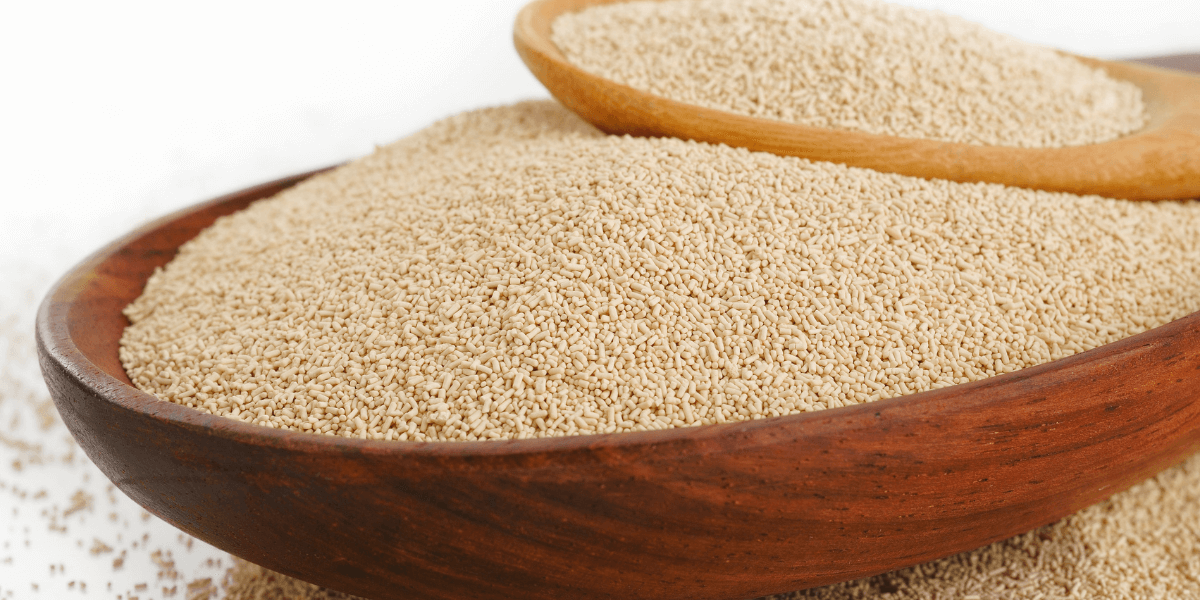
Yeast transforms fermentable sugars into alcohol and carbon dioxide during the fermentation process. Aside from its role in producing alcohol, yeast also produces compounds that influence beer taste, aroma, and texture, making it a key ingredient in brewing beer.
There are generally two main types of brewing yeast: ale yeast and lager yeast. Ale yeast is a top-fermenting yeast that thrives in warmer temperatures, producing fruity esters and complex flavors often found in craft beers like American pale ales.
Lager yeast, on the other hand, works at cooler temperatures, leading to clean, crisp profiles typical of lagers.
Different yeast strains contribute unique characteristics. Some produce spicy phenols, while others create fruity esters. Even wild yeast, such as saccharomyces cerevisiae, plays a role in brewing, leading to funky, unpredictable flavors in certain styles.
Yeast does more than ferment—it’s an essential part of what makes each beer distinct, influencing everything from mouthfeel to the final taste.
The Balance of Ingredients in Beer
Each of the 4 main ingredients in beer plays a distinct role, but it’s the way they interact that shapes a beer’s final character. Water provides the foundation, malt contributes fermentable sugars and body, hops bring bitterness and aroma, and yeast drives fermentation while adding complexity to beer’s flavor.
The balance between malted barley and hops is one of the most noticeable elements in a beer. Malt gives beer its sweetness and depth, while hops counter it with bitterness and aroma. Malty beers, such as stouts and bocks, highlight rich caramel and roasted notes, while hop-forward styles, like American pale ales, showcase bright citrusy or piney flavors.
Yeast influences more than just alcohol production. Ale yeast creates fruity esters and spicy phenols in warmer fermentations, which is why styles like Belgian ales have such complex flavors.
Lager yeast, on the other hand, ferments at cooler temperatures, resulting in the smooth, clean finish found in many lagers.
Brewers fine-tune these ingredients to achieve balance and consistency. Adjusting brewing water for mineral content, selecting different yeast strains, and choosing hops that complement the malt profile all contribute to the final product.
The beauty of beer-making lies in how these four simple ingredients can create such an incredible variety of beer styles.
Conclusion
Beer’s diversity comes from the way its four core ingredients interact. Water sets the stage, malt builds depth, hops add character, and yeast brings it all to life. Small adjustments in these elements create endless variations, from crisp lagers to bold, hop-forward brews.
Exploring different beer styles is the best way to experience how each ingredient influences the final product. The next time you enjoy a pint, take a moment to notice how these ingredients shape its unique flavor.
Great Beer Starts with the Right Ingredients—And the Right Brewery

We at New Trail Brewing Co. know that the best beers come from the perfect balance of water, malt, hops, and yeast—plus a little creativity and a lot of passion. Every brew we craft is made with quality ingredients and an adventurous spirit, designed for those who love exploring both the outdoors and new flavors.
Whether you’re into crisp lagers or bold IPAs, there’s a great beer waiting for you. Visit our Tasting Room, grab a pack for your next trip, or check out our latest releases to find your next favorite.
Ready to taste the adventure? Explore New Trail Brewing Co. today!
Frequently Asked Questions
What are the 4 main ingredients in most types of beer?
Beer is traditionally made with water, malt, hops, and yeast. Each plays a vital role, from providing structure to developing a beer’s flavor and aroma.
What are the main ingredients in making beer?
Most beers rely on beer ingredients like malted grains, hops, yeast, and water. These components influence everything from sweetness to bitterness and carbonation.
What are the 4 ingredients allowed in German beer?
According to the Reinheitsgebot, or German Beer Purity Law, beer must only contain water, barley, hops, and yeast. This regulation preserves the traditional beer recipe while ensuring quality and consistency.
What are the main materials in beer?
The foundation of making beer includes grain for sugars, hops for balance, yeast for fermentation, and water as the base. Adjustments to these materials lead to the wide variety of wheat beers, lagers, and ales available today.
Recent Posts
-
 How Beer Trends Influence Williamsport Breweries
 -
 How a Williamsport Brewery Creates Consistent Flavor Profiles
 -
 What Makes Small-Batch Brewing Special at a Williamsport Brewery?
 -
 Common Beer Myths Debunked by a Williamsport Brewery
 -
 The Difference Between a Brewery, Brewpub, and Taproom in Williamsport

