Common American Beers: How Classic Styles Shaped the Way the U.S. Drinks Beer
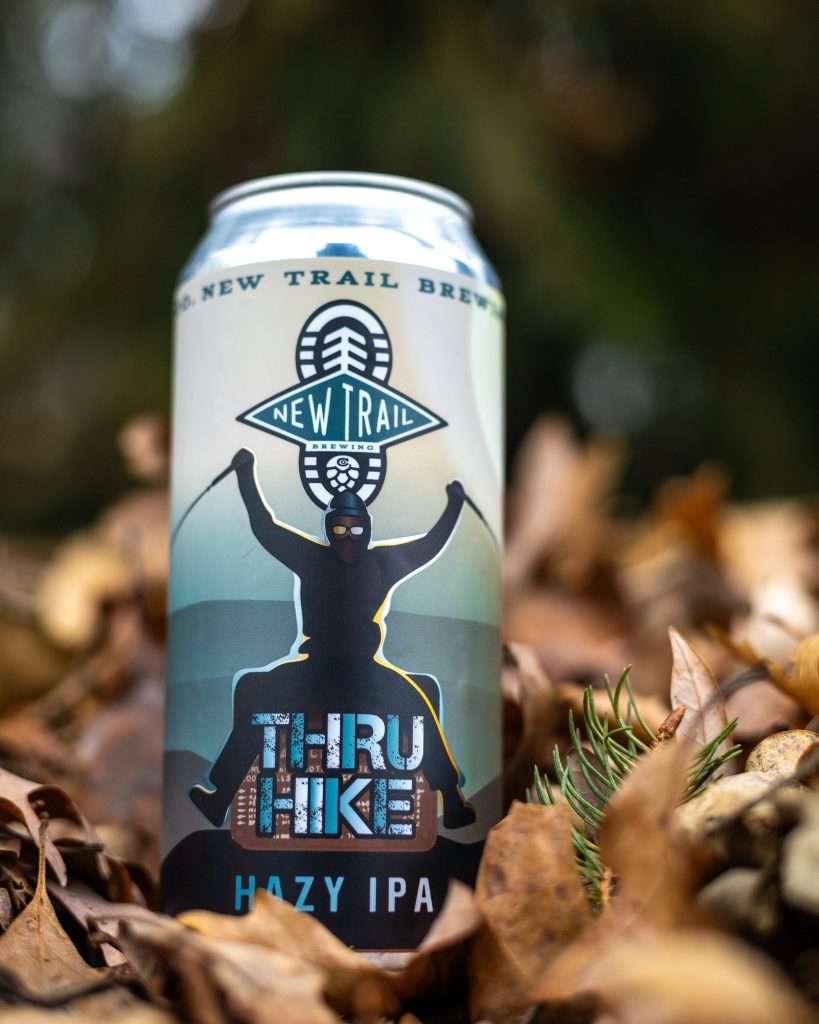
When people talk about common American beers, they often think it just means mass-produced or widely sold. In reality, “common” reflects something deeper—history, accessibility, and the way Americans have chosen to drink beer over time. These are the styles that showed up everywhere because they fit the moment, the market, and the habits of everyday drinkers.
This is a conversation about the beer styles and traditions that became widely consumed across the U.S., long before variety became the norm. Understanding how those beers took hold helps explain why modern drinkers, even those visiting a craft brewery today, still recognize and connect with these classic American drinking patterns.
Key Takeaways
- Common American beers reflect history and habit as much as flavor, shaped by accessibility and everyday drinking culture.
- Styles like light lagers and American pale ale helped define what became some of the most popular beers in the U.S.
- Today’s beer landscape builds on those roots while offering more variety, freshness, and choice than ever before.
Early American Beer Roots: Borrowed Styles, New Conditions
Beer didn’t start as an American invention. European immigrants brought familiar brewing traditions with them, carrying techniques for ales, lagers, and everyday drinking beers from other countries into a new environment. What changed wasn’t the idea of beer—it was everything around it.
Ingredients mattered. Grain availability, different water profiles, and large growing regions made it easier to produce beers that were lighter in body and lower in bitterness.
Climate played a role, too. In a country where beer was often consumed cold and socially, lighter, more refreshing styles made sense. Over time, this pushed American beer toward pale lager and light lager styles that emphasized drinkability over intensity.
Consistency sealed the deal. Early American breweries focused on beers that could be brewed reliably, shipped widely, and enjoyed by a broad range of beer drinkers.
These weren’t niche beers for serious beer drinkers—they were everyday beers, commonly served, easy to drink, and designed to fit into bars, homes, and social gatherings. That foundation is what allowed common American beers to take hold and stay part of the culture for generations.
The Rise of Light, Crisp Beer as the American Default
As beer spread across the U.S., pale, low-bitterness styles naturally became the go-to choice for most beer drinkers. These beers were easy to enjoy without a learning curve, making them ideal for a wide audience. Lower bitterness, a clean finish, and modest alcohol levels helped them appeal to casual drinkers and seasoned fans alike.
Drinkability mattered more than complexity. Light beer and other crisp styles delivered consistency from bottle to bottle, which helped them become some of the most popular beers in the country for more than a decade. Subtle flavor, restrained ABV, and a refreshing profile meant you could have more than one without fatigue, something heavier or higher-ABV beers couldn’t always offer.
Social settings sealed their place. These beers fit naturally into gatherings with friends, sporting events, and food-centric occasions where beer was meant to complement the moment, not dominate it. Large-scale distribution made them widely available across America, turning light, crisp beer from a preference into a national default.
Common American Beer Styles (Without the Brand Names)
When certain beer styles become common, it’s usually not because they’re flashy—it’s because they fit seamlessly into everyday life. These styles earned their place by being reliable, approachable, and easy to enjoy in almost any setting.
Light lagers
Light lagers became staples because they’re built for refreshment. Clean, mild, and low on bitterness, they’re designed to be consumed cold and in volume without overwhelming the palate. Their simplicity made them ideal for wide distribution and consistent brewing, which helped them show up everywhere from backyard cookouts to packed bars.
Standard American lagers
With slightly more body and flavor than light lagers, standard American lagers struck a comfortable middle ground. They offered balance without sharp edges, making them appealing to a broad range of drinkers. These beers became common because they felt familiar—easy to order, easy to drink, and easy to pair with food.
American ales
American ales took traditional ale foundations and softened them for wider appeal. Lower bitterness, smoother profiles, and restrained intensity made these beers approachable without feeling bland. They introduced variety while still respecting the expectations of everyday beer drinkers.
Malt-forward everyday beers
Some styles leaned less on hops and more on grain character, delivering a smooth, rounded taste. These beers appealed to drinkers who preferred richness and balance over bite. Their mellow profiles made them dependable choices, especially for people who wanted flavor without sharp bitterness.
What ties all of these styles together isn’t just how they taste; it’s why they stuck. They were easy to brew consistently, easy to drink socially, and easy to enjoy without explanation. That combination is what turned them into common American beers in the first place.
Why These Beers Dominated for Decades
These beers didn’t rise to the top by accident. They were built for scale; brewed in large volumes, designed to travel well, and made to taste the same no matter where or when you opened one. Long shelf life and nationwide consistency turned them into dependable options, which mattered in a country as large and spread out as the U.S.
Culture did the rest. Advertising reinforced familiar drinking habits, and those habits passed easily from one generation to the next. Beer became part of social rituals, such as shared at bars, family gatherings, sporting events, and casual get-togethers. When people found something that fit those moments, they stuck with it.
Over time, familiarity itself became the selling point. Knowing what you were getting removed risk and guesswork. You didn’t need to think about flavor profiles or categories—you just ordered a beer. That comfort, combined with availability and consistency, is why these styles remained dominant for so long.
The Shift: When “Common” Started to Change
For a long time, common beer meant familiar, predictable, and easy to drink. Then tastes began to shift. As small-scale brewing expanded and experimentation became more visible, drinkers were exposed to beers with more character—without needing to give up approachability entirely.
People started looking for more flavor, more aroma, and, in many cases, more bitterness. Pale ales gained attention, hop presence became something to seek out instead of avoid, and higher ABV beers slowly entered everyday conversations. Variety mattered more, and drinkers became more curious about what beer could taste like beyond the basics.
As a result, today’s idea of “common” beer looks nothing like it did 30 or 40 years ago. What was once defined by sameness is now shaped by choice. Familiarity still matters, but it now lives alongside diversity, making the modern American beer landscape broader, bolder, and far less uniform than before.
Modern America: Common Doesn’t Mean Simple Anymore
Today, every day beer covers far more ground than it once did. Drinkers now move comfortably between styles, enjoying everything from clean, easy-drinking options to beers with more depth, aroma, and character. What counts as “normal” beer has expanded, shaped by curiosity and changing expectations rather than habit alone.
Freshness and ingredients play a bigger role than ever. People pay attention to how recently a beer was brewed, what goes into it, and where it comes from. Local availability matters too—what’s common in one region may feel unfamiliar in another, and that variety is part of the appeal.
As a result, common beer no longer has a single definition. It’s regional, personal, and constantly evolving. What stays consistent is the idea that beer should fit the moment—whatever that moment looks like now.
Understanding Common American Beers Still Matters
Looking at common American beers helps explain how today’s styles came to be. Modern beer didn’t appear fully formed but was built on familiar foundations that shaped brewing techniques, flavor expectations, and what drinkers came to enjoy.
It also explains why certain beers feel instantly recognizable or nostalgic. Those flavors are tied to shared experiences, routines, and moments that shaped how beer fit into everyday life.
Most importantly, it reinforces that American beer culture grew step by step. Each shift built on what came before, turning simple, familiar beers into the diverse and evolving landscape we drink from today.
Go Beyond What’s Common
American beer has come a long way from one-size-fits-all drinking. At New Trail Brewing Co., we build on that history by brewing beers with purpose—bold hop character, thoughtful balance, and freshness that actually matters.
Visit The Tasting Room to experience our beers as they’re meant to be enjoyed, or use our beer finder to track down New Trail near you. If you’re ready for beer that pushes past the ordinary, we’ve got something waiting.
Conclusion
Common American beers tell a bigger story than what’s in the glass. They show how history, habit, and taste shaped the way Americans drink, and why today’s beer culture continues to evolve beyond those roots.
Frequently Asked Questions
What is an American pale ale, and how does it fit into American beer culture?
An American pale ale offers more hop character than traditional lagers while staying balanced and approachable, which helped bridge the gap between classic beers and modern craft styles.
Why are light lagers still considered some of the most popular beers in America?
Many of the most popular beers remain light lagers because they’re easy to drink, widely available, and fit social settings where refreshment matters more than intensity.
How did American pale ale become more common over time?
As drinkers looked for more flavor without overwhelming bitterness, American pale ale gained traction by offering hop presence with balance, making it accessible to a broad audience.
Are the most popular beers today the same as they were decades ago?
Not exactly. While some of the most popular beers still emphasize drinkability, today’s definition of “popular” includes more variety, freshness, and regional influence than in the past.
Recent Posts
-
 How Beer Trends Influence Williamsport Breweries
 -
 How a Williamsport Brewery Creates Consistent Flavor Profiles
 -
 What Makes Small-Batch Brewing Special at a Williamsport Brewery?
 -
 Common Beer Myths Debunked by a Williamsport Brewery
 -
 The Difference Between a Brewery, Brewpub, and Taproom in Williamsport

