Do IPAs Have Gluten? Understanding Your Options

Are you wondering, “Do IPAs have gluten?” It’s a common question, especially for folks dealing with gluten sensitivities or celiac disease who still want to crack open a cold one without worrying about what’s inside. Short answer: Yes, most IPAs do contain gluten.
If you’ve been wondering what that means for your beer choices—or why gluten ends up in your favorite brew in the first place—stick around. We’ll discuss the beer process for you.
Key Takeaways
- Most traditional IPAs are brewed with barley or wheat and do contain gluten.
- Gluten-free and gluten-reduced beers exist, but they serve specific dietary needs.
- Unless you have a medical reason, there’s no need to avoid gluten in your beer.
What Even Is Gluten?
Gluten is a naturally occurring protein found in grains like wheat, barley, and rye—the same grains used to brew most traditional beers, including India Pale Ales. It’s the stuff that gives dough its stretch, but in beer, it hangs around as a byproduct of the brewing process, especially when malted barley is involved.
That means most IPAs—yes, even the juicy, hazy IPAs and your go-to pale ale—contain gluten. These styles rely on gluten-containing ingredients for their body, flavor profile, and those complex flavors we love. While there are gluten-free beers and gluten-reduced beers out there, a classic IPA brewed the traditional way won’t fall into that category.
So, if you’re checking labels or navigating gluten sensitivities, it’s good to know what’s behind the brew.
Why Most IPAs Have Gluten Content
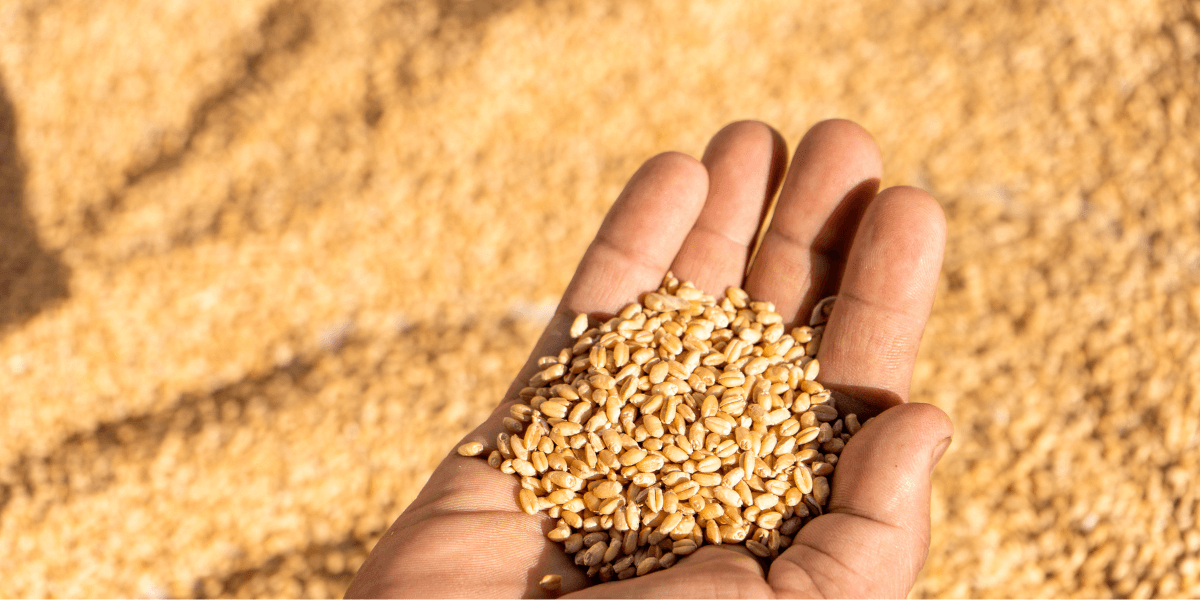
Here’s the deal: traditional IPAs are brewed with malted barley and often wheat—both of which contain gluten. These grains play a huge role in what makes India Pale Ales so bold and flavorful, contributing to their body, alcohol content, and that signature hop-forward bite.
Because of these ingredients, standard IPAs fall squarely into the category of regular beer with full gluten content. So, if you’re dealing with gluten sensitivities or celiac disease, traditional IPAs aren’t going to cut it. They’re not brewed with gluten-free grains, and they’re not processed in a way that removes gluten proteins.
No matter how tasty or well-crafted they are, classic IPAs aren’t a safe choice for anyone avoiding gluten. Always check beers labeled as gluten-free, or talk to a healthcare professional if you’re unsure.
Gluten-Free Beer vs. Gluten-Reduced: Not the Same Thing
Here’s where things get a little tricky. Gluten-free beers are brewed from start to finish with gluten-free grains like sorghum, rice, millet, buckwheat, or corn.
These beers never come into contact with traditional grains like barley or wheat, which makes them safe for folks with celiac disease or serious gluten intolerance. That’s what most people picture when they think of a gluten-free beer.
Gluten-reduced beers, on the other hand, are made with barley malt or wheat—grains that contain gluten—but use special enzymes during the brewing process to break down gluten proteins.
This method can significantly lower gluten levels, but it doesn’t eliminate them. These beers may be labeled gluten-removed or gluten-reduced, but they’re not truly gluten-free alternatives.
If you’re managing a medical condition like celiac, gluten-reduced isn’t enough. While these brews might taste more like a classic pale ale or IPA, there’s still a risk of cross-contamination and trace gluten.
Bottom line? There’s a big difference between “free” and “reduced”—and if you’re checking for gluten content, always read the label and know the brewing method behind the beer.
What to Know About Labels and Gluten Safety
When it comes to beer, labels matter—especially if you’re keeping an eye on gluten content. In the U.S., a beer can only be labeled gluten-free if it’s brewed with gluten-free grains and contains less than 20 parts per million of gluten. These include beers made from sorghum, rice, or corn, with no trace of wheat or barley in the process.
Gluten-reduced beers, on the other hand, are brewed with traditional grains but use enzymes to break down gluten. They may be labeled as gluten-removed, but they’re not safe for people with celiac disease. Because trace amounts of gluten can still trigger an immune response, these beers are only suitable for those with mild gluten sensitivities—and even then, it’s a gray area.
If you’re unsure, play it safe: skip the guesswork. Labels can be helpful, but when it comes to your health, nothing beats expert advice.
Exploring Alternatives (If You Need Them)
If you’ve been medically diagnosed with celiac disease or have a confirmed gluten intolerance, sticking to certified gluten-free beers made with alternative grains like sorghum or rice is the safest route. Just be sure to look for properly labeled options to avoid cross-contamination and surprises.
That said, for most people without gluten-related health issues, there’s no real reason to avoid traditional beer. Classic craft beers—including wheat beers and pale ales—are brewed with ingredients that deliver the flavor, aroma, and balance that make the style what it is.
If you’re just exploring or curious about taste, there’s a whole world of beer to enjoy without compromising on character. So unless you’ve got a dietary reason, there’s no need to reach for a gluten-free beer. Instead, visit your favorite brewery, try a few different styles, and find the ones that taste great to you.
Conclusion
So, do IPAs have gluten? Most of the time—yes. Traditional beers like IPAs are brewed with barley and other grains that naturally contain gluten. For those with celiac or a medical reason to avoid it, there are gluten-free options out there, but they’re a specific fit for specific needs.
For everyone else, there’s no need to skip the real deal. With so many beers and craft styles to explore, the best bet is to find what works for your taste and your body. Whatever your path, enjoying a well-brewed beer should always feel like the right choice.
Craving the Real IPA Experience? Come Visit Us
At New Trail Brewing Co., we keep things classic—brewing beer the traditional way with quality barley, bold hops, and plenty of character. No shortcuts, no substitutes—just carefully brewed beer crafted for people who love real flavor.
If you’re looking to enjoy a well-made IPA without the guesswork, swing by the Tasting Room. We’ve got many beers on tap, plenty to drink, and brewers who care about every pour. Taste the difference that comes from doing things right.
Frequently Asked Questions
Which type of beer has the least gluten?
Gluten-removed beers may have lower gluten levels, but they still start with grains like barley and aren’t safe for everyone. Fully gluten-free beers made with sorghum syrup or other gluten-free brewing methods have the least gluten—but they’re a specific choice for those who need it.
What beer is ok for gluten intolerance?
For those with diagnosed gluten intolerance, only certified gluten-free beers are considered safe. Always read labels and consult a professional if you’re unsure.
Do hazy IPAs have wheat?
Most hazy IPAs do include wheat or barley to enhance body and mouthfeel—so yes, they usually contain gluten.
Recent Posts
-
 How Beer Trends Influence Williamsport Breweries
 -
 How a Williamsport Brewery Creates Consistent Flavor Profiles
 -
 What Makes Small-Batch Brewing Special at a Williamsport Brewery?
 -
 Common Beer Myths Debunked by a Williamsport Brewery
 -
 The Difference Between a Brewery, Brewpub, and Taproom in Williamsport

