Does Beer Have an Expiration Date?
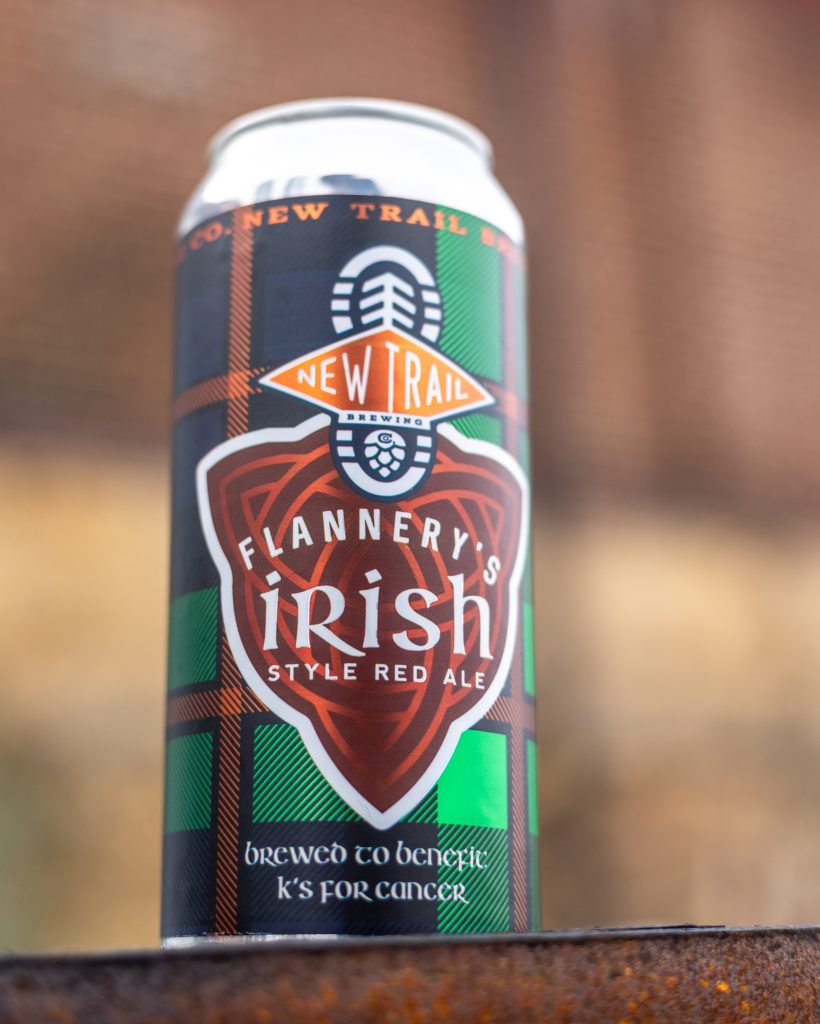
You’re cleaning out the garage fridge or digging through the cooler after a weekend trip when you spot it—a forgotten six-pack tucked behind the seltzers. The cans look fine. The bottles aren’t leaking. But now you’re wondering: does beer have an expiration date, or is this still safe to drink?
It’s a question we hear all the time at the craft brewery.
Here’s the short answer: beer doesn’t “expire” like milk or fresh food. It won’t suddenly turn dangerous the day after a printed date. But freshness absolutely matters. Flavor changes over time, especially depending on how it was stored and what style it is.
We’re going to walk through what happens to beer as it ages, how to tell if it’s past its prime, and what you should look for before you crack it open.
Key Takeaways
- Beer doesn’t expire like food—it loses freshness.
- Hop-forward styles fade fastest.
- Storage makes all the difference.
Beer Expires Differently Than Food
When people see beer expiration dates on beer labels, they assume beer expires like milk. It doesn’t. Most dates on canned beer or bottled beer are “best by” dates. They tell you when the beer will taste closest to peak flavor and not when it becomes unsafe.
An unopened beer, whether in an unopened can or unopened bottle, is very unlikely to turn into spoiled beer overnight. Alcohol content and the brewing process make it hard for harmful bacteria to grow.
Flavor changes are not safety risks
So, does beer go bad? Not in the dramatic way people think. What changes first is the beer flavor. Hoppy beers and hop-forward beers lose hop character. Hoppy flavors fade. Stale flavors can develop over time. Old beer may taste flat or dull.
Fresh beer tastes bright and balanced. Expired beer often just tastes tired. That’s why many brewers focus on beer shelf life as a freshness window. Most beers, especially light beers, pale ales, and most lagers, are meant to be consumed fresh.
Storage makes a big difference
How you store beer matters. Direct sunlight, bright light, and UV light can damage beer, especially in clear glass or green bottles. Light exposure creates off-flavor quickly. Brown bottles offer better protection because colored glass blocks ultraviolet light.
To maintain freshness:
- Store beer in a cool place
- Keep it in a dark place
- Avoid temperature swings
When stored properly, many beers will still taste good past their printed date. They may just lose flavor compared to day one.
What Happens to Beer Over Time?
1. Hops fade
The first thing to change is hops. Hop aroma and bitterness decline faster than anything else. That bright, punchy character that defines many beer styles, especially IPAs, starts to soften. Citrus, pine, tropical notes…these fade.
That’s why hop-forward beers are best fresh. They’re brewed for peak aroma, not long storage. If you’ve ever wondered how long beer lasts in terms of tasting vibrant, IPAs are usually the most sensitive to age.
For beer drinkers and even beer aficionados, this is often the biggest disappointment. A once-bold IPA can turn into something muted. Not bad beer, just no longer what the brewer intended.
2. Malt shifts
After hops fade, malt character begins to change. In malt-forward styles or stronger beers, the profile can become sweeter or heavier over time. Oxidation may creep in, creating stale beer flavors—often described as cardboard-like or papery.
Dark beers and high ABV beers like imperial stouts can sometimes age more gracefully, but not all beer styles evolve the same way. Most beers aren’t designed to mature the same way wine does.
Whether it’s canned or bottled, especially in clear or green bottles, oxygen and light slowly influence the flavor.
3. Carbonation drops
Carbonation can also decline, particularly in improperly stored bottles or opened beer that wasn’t resealed tightly.
When carbonation drops:
- Mouthfeel feels flatter
- Aromatics don’t lift the same way
- The beer loses energy
Even if the beer is technically safe to drink, it may taste lifeless.
Fresh is the point
Breweries design beer to be enjoyed at peak flavor. The balance of hops, malt, and carbonation works together in a specific window of time. As beer ages, those elements drift out of alignment. It doesn’t mean it’s unsafe. It just means it’s no longer the experience we brewed.
Do All Beer Styles Age the Same?
Short answer: no. Not even close. Some beers are built for freshness. A small handful can handle time. Most everyday beer is meant to be enjoyed sooner rather than later.
Drink fresh
Certain styles are at their best right out of the gate:
- IPAs
- Pale ales
- Lagers
- Lower ABV beers
Lighter, hop-forward beers rely on aroma and crisp character. Hops fade quickly, and subtle malt profiles don’t have the structure to mask age-related changes.
With IPAs and pale ales, the goal is vibrant hop expression. Once that aroma softens, the experience changes. Lagers are brewed for clarity and balance, so any oxidation or dullness stands out immediately.
Lower ABV beers simply don’t have the alcohol structure to support long aging. They’re brewed to be clean, refreshing, and enjoyed within their peak window. If you’re choosing from the fridge, these are the ones to prioritize.
Can age gracefully
A few styles can evolve over time:
- High-ABV stouts
- Barleywines
- Some Belgian-style ales
Higher alcohol acts as a stabilizer. Stronger malt structure also gives the beer more backbone. In high-ABV stouts and barleywines, flavors can deepen and round out over time.
Instead of fading, certain characteristics integrate. Roast can soften. Sweetness can become more complex. Alcohol warmth can mellow. That said, aging works best when intentional and controlled. Cool, dark storage is key. And not every strong beer improves with time.
What About the Date on the Can?
Flip over a can, and you’ll usually see one of two things: a packaged-on date or a best-by date. A packaged-on date tells you exactly when the beer was canned. That’s gold if you care about freshness. A best-by date gives you a general window for when the beer should still be tasting close to peak.
Neither one means the beer suddenly goes bad the next day.
Why canned-on dates matter
If you have the option, check for a canned-on date first. That number gives you real context. A hop-forward beer canned three weeks ago? You’re in great shape. One canned nine months ago? It might not deliver the same aroma and brightness it once had.
Freshness over fear
Beer isn’t ruled by a strict expiration cliff. It’s guided by a freshness curve. Instead of asking, “Is this expired?” a better question is, “Is this still within its peak window?”
If the beer has been stored cold, kept away from light, and handled well, it may still taste solid even past its printed date. If it’s been sitting warm in bright light, it could lose character much sooner.
Next, let’s talk about how to store beer properly so you can protect that freshness from day one.
How to Store Beer So It Stays Fresh
Keep it cold
Heat speeds everything up, including flavor breakdown. If you want your beer to stay closer to peak flavor, keep it cold. A fridge is ideal. A consistently cool place works too. The warmer the beer gets, the faster it can lose hop character and develop dull notes.
That garage fridge you forget about in the summer? It’s great, as long as it actually stays cold.
Avoid sunlight
Light is one of beer’s biggest enemies. Direct sunlight or bright indoor light can react with hop compounds and create what people call “skunky” aroma. It happens fast, and once it’s there, you can’t undo it.
That’s why leaving beer in a sunny window or the backseat of a car is never a good move. Whether it’s cans or bottles, keep them out of the light, especially on trail days when coolers sit outside.
Store upright
Beer is best stored upright. Keeping bottles and cans vertical minimizes the surface area exposed to oxygen inside the container. It also helps sediment settle at the bottom instead of clinging to the side.
It’s a small detail, but it helps protect flavor over time.
Avoid temperature swings
Consistency matters. Constantly warming up and cooling down beer can accelerate aging. Try not to move beer back and forth between a hot trunk and a cold fridge repeatedly.
If you’re packing a trail cooler, load it with plenty of ice and keep it closed as much as possible. At home, pick a spot and let it rest there.
How to Tell If Beer Has Gone Bad
Flat carbonation
One of the first signs is carbonation. If you crack a can and there’s barely any sound, or the pour feels lifeless in the glass, that’s a red flag. Beer should have energy. If it feels flat and dull, it’s likely past its peak.
Sour or metallic smell
Give it a quick smell before you sip. If the beer isn’t meant to be sour but carries a sharp, metallic, or oddly tangy aroma, something has shifted. Oxidation or improper storage can create off-notes that weren’t part of the original design.
Trust your nose. It usually knows.
Dull, papery flavor
Take a small sip. A stale, cardboard-like, or papery flavor is a classic sign of aging. Instead of bright and balanced, the beer may taste muted or tired. That’s oxidation showing up on your palate.
Missing hop aroma
With hop-forward styles, aroma is everything. If you’re drinking an IPA and the hop character feels faint or nonexistent, the beer has likely lost its freshness. The bitterness might still be there, but without that aromatic lift, the experience falls flat.
Find Fresh Beer at New Trail
At New Trail, we brew with freshness in mind from day one. Every batch is designed to be enjoyed at its peak—when hop character is vibrant, malt balance is dialed in, and carbonation feels exactly right. We pay attention to process, packaging, and storage because quality doesn’t stop when the beer leaves the tank.
Fresh beer isn’t just a preference for us. It’s part of the standard we hold ourselves to.
Experience beer the way it was meant to taste
The best way to enjoy our beer? Close to the source. Visit our Tasting Room, and try it straight from the draft list, poured exactly how we intended. Talk with our crew. Ask questions. Sample different styles side by side. Freshness hits differently when you’re drinking it where it was brewed.
Out exploring somewhere else? Use our Beer Finder to track down the freshest New Trail near you. Great beer is about more than what’s in the can. It’s about sharing it around a table, at a trailhead, or with friends who appreciate it as much as you do. And we’re proud to be part of that experience.
Conclusion
Beer comes with a freshness window. Stored properly, it’s usually safe past the printed date, but flavor is what really changes. If you care about aroma, balance, and that just-brewed character, fresher is always better.
Frequently Asked Questions
Does canned beer go bad?
Canned beer can lose freshness over time, but it doesn’t usually “go bad” in a dangerous way if stored properly. Cans protect beer from light exposure, which helps maintain flavor. The biggest factor is time and temperature; heat will shorten freshness faster than the can itself.
Does bottled beer expire faster than canned beer?
Bottled beer can be more sensitive to light, especially if it’s in clear or green glass. Brown bottles offer better protection, but light exposure can still affect flavor. When stored cold and away from sunlight, bottled beer can maintain quality similar to canned beer.
What do beer expiration dates really mean?
Beer expiration dates are typically “best by” dates. They indicate when the beer is expected to taste closest to peak flavor, not when it becomes unsafe. After that date, the beer may lose hop aroma, carbonation, or balance, but it’s often still drinkable.
What is the typical beer shelf life?
Beer shelf life depends on the style and storage conditions. Most lagers, pale ales, and hop-forward styles are best within a few months of packaging. Higher-ABV beers like imperial stouts may last longer. Keeping beer cold and out of light helps extend its peak window.
Recent Posts
-
 How Beer Trends Influence Williamsport Breweries
 -
 How a Williamsport Brewery Creates Consistent Flavor Profiles
 -
 What Makes Small-Batch Brewing Special at a Williamsport Brewery?
 -
 Common Beer Myths Debunked by a Williamsport Brewery
 -
 The Difference Between a Brewery, Brewpub, and Taproom in Williamsport

