Exploring Dark, Strong Beer for Your Next Adventure
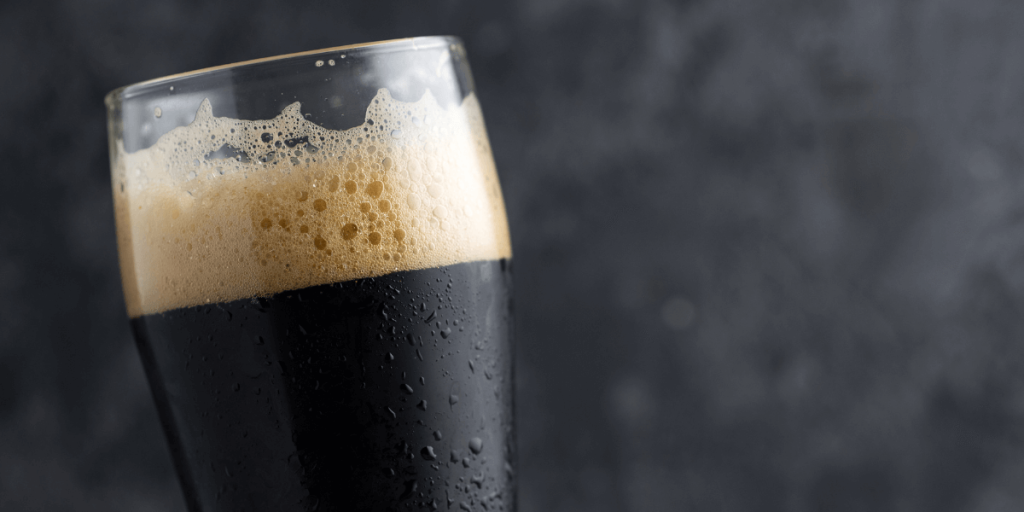
Welcome to New Trail, where passion for exploration meets bold brewing. Today, we’re diving deep into dark strong beer and exploring the color, aroma, and flavor that make these hearty pours great trail companions.
Key Takeaways
- Dark strong beer combines deep-roasted malts and elevated alcohol for a bold, complex sip that’s perfect for adventurous palettes.
- Flavor mastery comes from balancing your malt bill, yeast selection, and creative adjuncts like coffee, chocolate, or dried fruit.
- Serving in a tulip or snifter at 50–55°F and cellaring wisely ensures you unlock every layer of aroma and taste.
What Is Dark Strong Beer?
Before you take your first sip, let’s unpack what makes dark strong beer such a standout choice for flavor adventurers.
Definition & key characteristics
Dark strong beer stands out with its deep color that ranges from burnished mahogany to pitch black and a higher alcohol content, typically 8% ABV or more. These full-bodied pours deliver a warming sensation without sharp heat, thanks to a generous malt bill that balances richness and smoothness.
Malt & flavor profile
- Dark roasted malts & specialty grains: Base malts combine with dark roasted malts, Munich Dunkel, and Crystal or caramel malts to layer flavors of chocolate, coffee, toffee, and dark fruit (raisins, figs, plum).
- Adjuncts & mouthfeel: Oats in an oatmeal stout add creaminess, while lactose can boost sweetness. Some brewers incorporate smoked porter techniques or spices for extra character.
- Yeast & complexity: Neutral ale yeasts let the malt shine, whereas Belgian yeasts and candi sugars in a Belgian dark strong ale introduce spicy, fruity esters alongside the roast.
How it differs from other dark styles
- Brown ale: Lighter in both color and body, with gentle caramel notes and moderate alcohol.
- Porter: Roasty but typically 5–6% ABV, offering balance without the bold, strong dark beer punch.
- Stout vs. imperial stout: A classic stout deepens roast flavors; an imperial stout cranks up both ABV and malt complexity for a richer experience.
- Dark lager (Munich Dunkel & Schwarzbier): Bottom-fermented for a cleaner finish and lighter mouthfeel, despite dark malt character.
With these elements—color, ABV, malt complexity, and distinctive yeast or adjunct choices—dark strong beer carves its trail among dark brews.
A Brief History of Dark, High-Gravity Brews
Dark strong beer didn’t appear overnight—it evolved through centuries of brewing innovation, blending malty richness with a higher alcohol punch.
British beginnings: Porters & extra stouts
In 18th-century London, working-class drinkers fell in love with porter, a dark beer born from a blend of pale, brown, and black malts. Brewers soon pushed their recipes further, creating extra stout with more hops for bitterness and higher alcohol to survive long sea voyages.
These early high-gravity brews were full-bodied and malty, often boasting a creamy mouthfeel that made every sip a satisfying drink after a hard day’s work. Fast-forward to modern times, and you’ll still find echoes of this tradition in classics.
Belgian Dubbels, Tripels & the “imperial” label
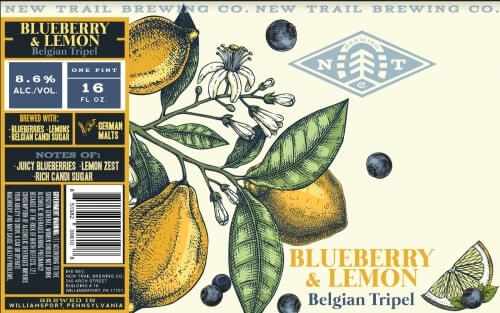
Meanwhile, Belgian monasteries were experimenting with their dark, strong styles. Dubbels emerged as dark, fruity ales, rich with dried fruit notes of raisin and plum, while Tripels leaned lighter in color but higher in alcohol, showcasing spicy Belgian yeasts.
The term “Imperial” later migrated from Russian imperial stouts (brewed for the czar’s court) to describe any dark beer dialed up in strength and complexity. Today, you’ll find imperial stouts and Belgian dark strong ales around the globe, each playing with candi sugars, exotic malts, and nuanced flavor profiles.
Global variations & modern twists
Brewers continue to innovate, layering smoked porter techniques or hops-forward approaches in black IPAs. Dark lagers like Munich Dunkel and Baltic porter offer bottom-fermented smoothness, while barrel-aged stouts pick up vanilla, oak, and even coffee undertones.
No matter the style or glass, these high-gravity brews share a common thread: robust flavor, a darker visual appeal, and a warming alcohol presence that rewards slow sipping.
Anatomy of Flavor
Before we sip, let’s break down the building blocks that make dark strong beer such an adventure for your taste buds.
Malt bill & roasting
Your malt bill is the blueprint. Dark roasted malts lay the foundation with deep, roasted coffee and cocoa notes, while Munich and Crystal or caramel malts add layers of toffee, burnt sugar, and subtle biscuit sweetness. Adjusting the ratios unlocks a spectrum from lightly toasted edges to full-on charred richness.
Yeast & fermentation
Yeast shapes character. Neutral ale strains let those roasted and caramel malts shine unmasked, perfect if you want pure malt focus. Belgian yeasts, on the other hand, contribute spicy, fruity esters that dance around the dark backbone, adding complexity without overwhelming the roast.
Adjuncts & Aging
Brewers often tip their hats to creativity here. A touch of coffee or blocks of chocolate can amplify roast notes, while dried fruit—figs, raisins, or plums, for example—lends a dent in sweetness that balances tannic roast flavors.
Smoked malts introduce a campfire whisper, and barrel-aging (bourbon, wine, or rum) infuses vanilla, oak, and spirit warmth for another dimension entirely.
Together, these elements work in concert. Your malt, yeast, and adjunct choices all layer complexity and depth to create a dark, strong beer that’s rich, bold, and endlessly fascinating.
Tasting & Evaluation
Ready to put that dark, strong beer to the test? Follow these simple steps to judge each sip like a seasoned adventurer:
1. Appearance
Pour into a clear tulip or snifter and take in the color—deep mahogany, ruby, or opaque black. Note the head’s color (tan to brown) and retention, plus the “legs” that run down the glass. Steady, slow-moving legs often signal a rich malt bill and higher alcohol content.
2. Aroma
Give it a gentle swirl and inhale deeply. Seek out layers of flavor. A balanced aroma will feel inviting, not overly hot or boozy.
3. Mouthfeel
Take a small sip and let it coat your tongue. Pay attention to body—smooth and creamy (especially in an oatmeal stout) or more carbonated and crisp (as with a dark lager). A good malt bill provides a velvety texture without feeling heavy or cloying.
4. Finish
Notice how the flavors fade. A well-crafted dark, strong beer offers a gentle warmth from the higher alcohol content and leaves behind lingering notes of roast or toffee. It shouldn’t end abruptly with a harsh bite.
Balanced vs. off-kilter
- Balanced: Roast and sweetness play tag without one dominating. Alcohol warmth feels integrated, not biting. Flavors—be they spice, caramel, or dark fruit—meld smoothly as you sip.
- Off-kilter: Overpowering alcohol burn, excessive astringency from too-robust roast, or a thin mouthfeel despite high ABV. If the finish dries you out or the aroma smells “hot,” it’s likely out of balance.
With these tasting tips, you’ll spot the hallmarks of a perfectly executed dark strong beer—and recognize when a brew misses the mark.
Serving & Storage Best Practices
Before you crack open your next dark, strong beer, setting the stage can amplify every nuance of flavor. Here’s how to serve and store like a pro:
Glassware & pour temperature
- Choose the right glass: A tulip or snifter concentrates aromas, guiding those chocolate, coffee, and dark fruit notes straight to your nose. Its bowl shape also helps maintain a gentle head, showcasing the beer’s rich color.
- Hit the sweet spot: Aim for 50–55°F (10–13°C). Too cold, and the flavors stay muted; too warm, and the alcohol can feel sharp. Let your beer rest at room temperature for 10–15 minutes after pouring from the fridge to reach the ideal range.
Cellaring & knowing when it’s peaked
- Age with intention: Many dark, strong beers, especially imperial stouts or barrel-aged variants, improve over 6–12 months in a cool, dark spot. During this time, harsh edges soften, and complex notes like toffee, vanilla, or dried fruit meld beautifully.
- Spotting the peak: Check once every few months. You’ll know you’ve passed the sweet spot if the aroma fades, hop character drops out, or the body thins. If your once-velvety stout feels flat or overly bitter, it’s time to enjoy what remains and restock your cellar.
With the right glass, temperature, and storage routine, each pour becomes a moment worth savoring.
Fuel Your Adventure with a Dark Strong Pour
Experience New Trail Brewing’s boldest creations in person. Swing by our Williamsport taproom to taste dark, strong beer at its best or find a beer merchant near you selling New Trail brews.
Your next unforgettable pour awaits.
Frequently Asked Questions
What is the typical alcohol content of a Belgian dark strong ale?
Belgian dark strong ales generally range from 8% to 12% ABV, thanks to the addition of candi sugars and higher grain bills. This elevated alcohol level delivers a warming sensation that complements the style’s fruity and spicy yeast character.
How does a brown ale differ from a dark beer in flavor and body?
While both use darker malts, brown ales are usually lighter in body and color (amber to deep brown) with gentle caramel and biscuit notes. “Dark beer” is a broader category—covering porters, stouts, and dark lagers—often featuring richer roast, chocolate, or coffee flavors and, in many cases, higher alcohol content.
What makes Belgian dark strong beers stand out from other high-gravity styles?
Belgian dark strong beers distinguish themselves with spicy, fruity esters from Belgian yeast strains and the use of candi sugars. These elements add layers of complexity—plum, raisin, clove, or pepper—beyond the deep roast and caramel notes you might find in imperial stouts or other strong ales.
Recent Posts
-
 How Beer Trends Influence Williamsport Breweries
 -
 How a Williamsport Brewery Creates Consistent Flavor Profiles
 -
 What Makes Small-Batch Brewing Special at a Williamsport Brewery?
 -
 Common Beer Myths Debunked by a Williamsport Brewery
 -
 The Difference Between a Brewery, Brewpub, and Taproom in Williamsport

