Exploring the Best Types of Dark Beer: A Comprehensive Guide
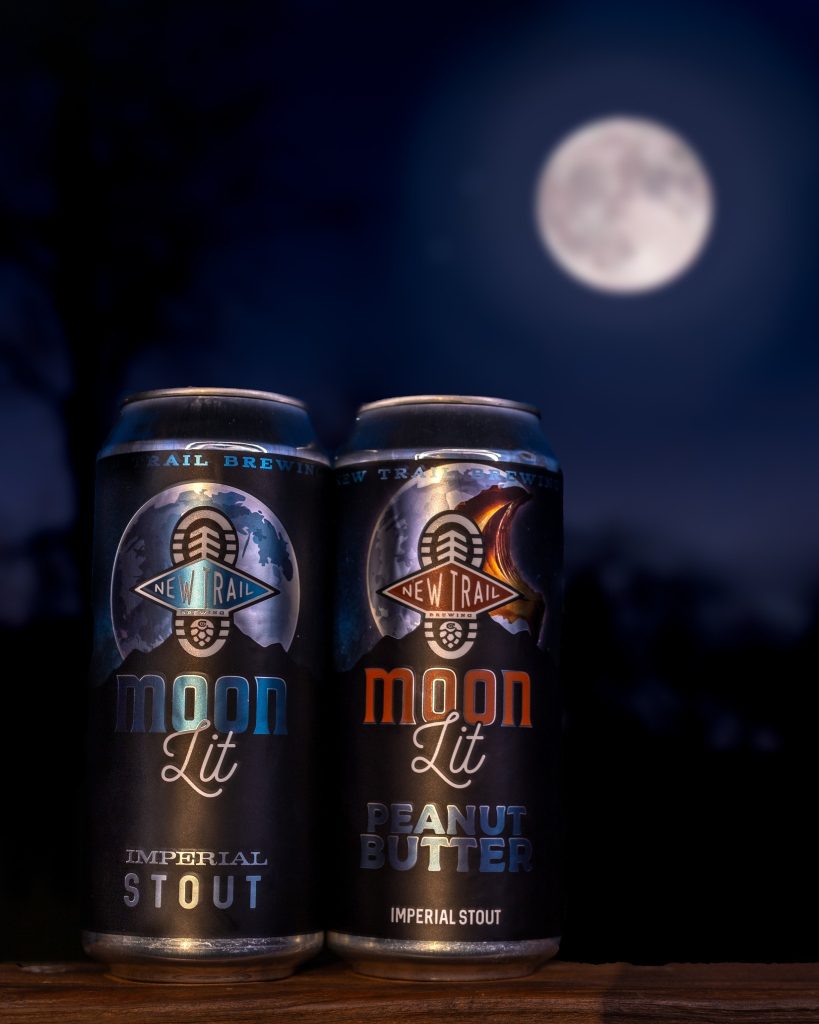
Crack open a cooler and you’ll usually see the same mix: a few crisp lagers, some hoppy favorites, and at least one darker can that catches the eye right away. Dark beer has a way of looking serious in the glass, which is exactly why some drinkers pause before committing. The color suggests weight, intensity, maybe even a knockout ABV, but that’s not the full story of the many types of dark beer.
In this guide, we’ll walk through what makes dark beers tick, how the major styles differ, and how to pick the ones that match how you actually like to drink—whether that’s campfire nights, cold-weather weekends, or just a new pint at your favorite bar.
Key Takeaways
- Dark beer isn’t one style. From crisp dark lagers to rich imperial stouts, there are many different types of dark beer, each with its own balance of roast, sweetness, and body.
- Malt does most of the magic. Dark malts and dark roasted malts create the colour, coffee, chocolate, and caramel notes—while the brewing process and yeast decide how strong, creamy, or light the beer feels.
- Tasting side by side is the fastest way to learn. Comparing a dark lager, an Irish stout, a milk stout, or a black IPA in one sitting makes it easy to spot what you actually enjoy and what your personal “best dark beer” looks like.
How Darkness Happens: A Quick Tour of the Grain Bill
Dark beer starts in the grain room long before it ever hits the glass. Brewers take standard malt and push it further in the kiln, creating dark malts and dark roasted malts that bring deeper color and richer character to the beer.
As those grains darken, they unlock layers of flavor: gentle coffee, soft chocolate, toasted barley, touches of caramel, even hints of dried fruit. Same base ingredient, just roasted to different levels for different results.
Roast levels and flavor
Roasting is where personality shows up. Lightly roasted malt might just add a toasty edge. Push it darker and you get roasty, nutty notes and a bigger, rounder aroma. Go deeper and you’re in the territory of roasted grain, cocoa, espresso, and a little char, which are the building blocks for stouts, porters, and all the different types of dark styles you see on tap.
The key thing is that darker malt doesn’t automatically mean more alcohol, high alcohol content, or a beer that’s too intense. The brewing process, yeast, and fermentation schedule decide how full-bodied, sweet, or boozy a beer becomes. Malt sets the base; the rest is how the brewery chooses to shape it.
Same color, different beer
Here’s where looks can fool you. A dark lager can pour deep brown and still drink clean, light, and refreshing, often easier than some light beers. Think smooth malt, subtle roast, and easy drinkability.
Now compare that to a thick imperial stout or Belgian strong dark ale. Same dark appearance, totally different experience: richer body, layered sweetness, and notes of roasted nuts, dark chocolate, maybe a touch of bourbon warmth. Those beers can lean bigger in alcohol content and feel genuinely deep, complex, and meant for slow sips.
Between those extremes, you’ll find milk stout, oatmeal stout, smoked porter, Irish stout, and even black IPAs, all using roasted malt in their own way. Dark is a color, not a promise of heaviness. What you can expect in the glass depends on how it was brewed.
Signature Styles and What Makes Each Stand Out
Here’s a quick tour through the dark classics—short, clear snapshots to help you spot the best dark beer for whatever you have planned this winter season. Same dark color, totally different personalities.
Schwarzbier: Black in the glass but crisp on the palate is the Schwarzbier. Light roast, gentle coffee hints, and a finish closer to a pale lager than anything heavy.
Dunkel: A malty, toasted, bread-crust comfort beer. Smooth, calm, and perfect for easy sip sessions.
Porter: This lane leans chocolatey with a soft roast. Porters often land smooth and balanced, making them ideal for anyone exploring darker shades for the first time.
Dry stout: Light-bodied with a snappy, roasty finish. Clean flavor, crisp edges, and a straightforward profile that many brewers still prefer when they want pure roast without sweetness.
Oatmeal stout: Oats add a round, velvety texture that’s almost creamy and with softer roast and a more relaxed mouth feel.
Milk stout: Gentle sweetness comes from lactose, giving it softer edges and richer sugars without drifting into dessert territory.
Imperial stout: Bigger in every way: deeper roast, bold cocoa, touches of dark fruit, and higher alcohol that warms like a small fire on a cold night.
Black IPA: For hop lovers who want something darker. Hops meet roast, creating a zesty, bright-meets-dark blend with plenty of character.
Doppelbock: Rich malt depth, warming strength, and flavors that stretch into caramelized grain. A doppelbock is a special-occasion sipper built for colder months and slow meals.
Each style hits the taste spectrum differently, so exploring a few side by side is the best course for finding what you really enjoy.
How to Explore Dark Beer the Fun Way
Dark beer opens up fast once you approach it like an experiment instead of a commitment. A few simple tasting moves help you pick out what you actually enjoy without turning the experience into homework.
Try by contrast
One of the easiest ways to understand dark styles is to compare opposites. Pour a dark lager next to a stout and notice how the same dark color delivers completely different experiences. The lager will stay crisp and light on the palate, while the stout leans roasty or fuller. That contrast teaches you more in two sips than a long explanation ever could.
Let it warm a little
Dark beer changes as the temperature climbs. Straight from the fridge, you’ll catch the brighter roast or sharper edges. Give it a few minutes, and the flavor softens into chocolate, caramel, nuttiness, or subtle fruit. Letting it warm slightly is a quick way to unlock more depth without doing anything fancy.
Follow a simple sensory walkthrough
- Start with the aroma, since roasted malt, cocoa, or coffee notes show up before you even taste the beer.
- Take a first sip to get a feel for the overall vibe.
- Pay attention to the mid-palate—the texture, the body, the balance between roast, sweetness, and bitterness.
- Finish by noticing what lingers: clean, smooth, warm, or a touch of bitterness.
It’s a short checklist, but it helps you understand the style without overthinking it.
Try the three-pour method
If you’re new to darker styles, split a tasting into three small pours: one roasty (like a dry stout), one smooth (like a dunkel or porter), and one richer option (like a sweet stout or bock). You’ll quickly figure out which direction you lean, and that makes picking your next dark beer a whole lot easier.
How We Think About Dark Beer at New Trail
When we brew darker styles, balance is always the starting point. Dark beer can be bold, subtle, smooth, or crisp and something you can enjoy around a fire, with dinner, or after a long day outside.
If you want to taste them fresh, our Tasting Room is the best place to start. Local spots around Pennsylvania pour our dark offerings throughout the season, and our Beer Finder makes it easy to track down cans nearby. Grab whichever style fits your night and see where it takes you.
Conclusion
Dark beer isn’t a category to figure out all at once—it’s something you get to explore at your own pace. Each style brings its own character, from crisp, roasty lagers to rich, slow-sipping ales, and the fun comes from noticing how those differences show up in the glass.
Try a few side by side, follow what tastes good to you, and keep an open mind as you move through the darker end of the spectrum. There’s always another shade to discover, and every new pour has a way of surprising you.
Frequently Asked Questions
What makes an imperial stout different from other dark styles?
Imperial stout is the heavyweight of the dark beer world: higher in alcohol, packed with deep roast, cocoa, and sometimes dark fruit notes. Compared with most different types of dark beer, it has a fuller body, a longer finish, and a “sip, don’t chug” personality that’s perfect for cold nights or sharing.
How do I figure out the best dark beer for my taste?
Start simple: line up a dark lager, an Irish stout, and a black IPA and take small sips back to back. You’ll quickly notice whether you like crisp and clean, dry, or hoppy and dark. Once you know that, it’s much easier to narrow in on your personal best dark beer.
What’s the difference between milk stout and oatmeal stout?
Milk stout uses lactose (milk sugar) in the recipe, which adds gentle sweetness and a soft, rounded edge to the roast. Oatmeal stout, on the other hand, leans on oats to create a smoother, silkier body without necessarily becoming sweeter, so it feels extra cozy without tasting like dessert.
How does the brewing process change a beer like smoked porter?
In a smoked porter, part of the grain bill is kilned over smoke, which builds campfire-like aroma and flavor right into the brewing process. That smoked malt sets it apart from other porters, adding a savory, wood-fired note that pairs beautifully with grilled food and cooler nights.
Recent Posts
-
 How Beer Trends Influence Williamsport Breweries
 -
 How a Williamsport Brewery Creates Consistent Flavor Profiles
 -
 What Makes Small-Batch Brewing Special at a Williamsport Brewery?
 -
 Common Beer Myths Debunked by a Williamsport Brewery
 -
 The Difference Between a Brewery, Brewpub, and Taproom in Williamsport

