How Long is Bottled Beer Good For?
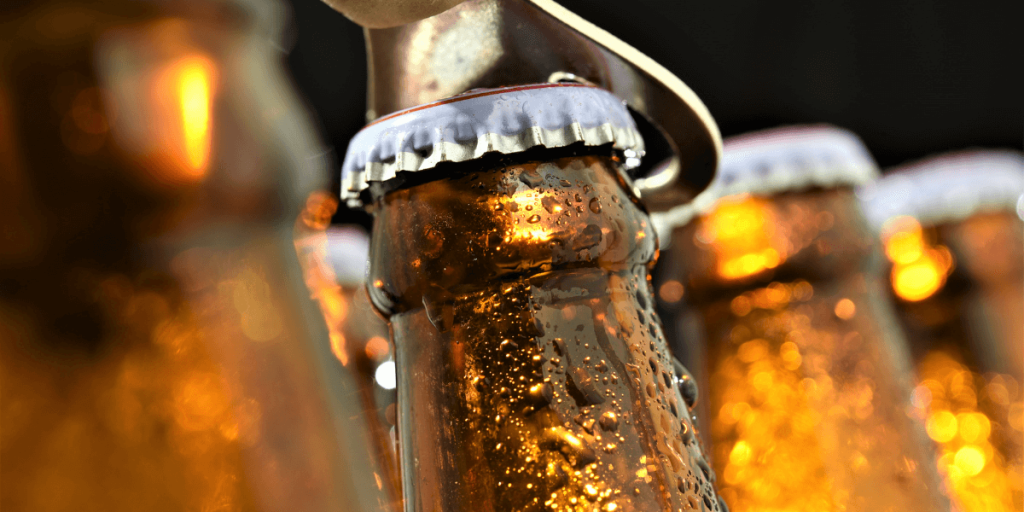
New Trail brews exclusively in cans to lock in freshness and block light. And just so you know, cans can keep beer tasting fresh for up to two years (although within a few months is often best!) thanks to their airtight seal and zero light exposure. But if you ever grab a bottled beer from elsewhere, here’s what to know before you crack it open.
So, how long is bottled beer good for? Spoiler alert: it depends on style, storage, and packaging. Stick with us, and you’ll learn the rules of thumb for keeping your bottle-worthy brews tasting peak-fresh, whether you’re gearing up for a summit or kicking back by the campfire.
Key Takeaways
- Proper storage keeps your packaged beer tasting fresh, because most beer will lose flavor when beer goes bad from light or oxygen.
- Although high ABV beers and heavier beers can improve with age, you’ll still want to crack open a beer within a few bottles to avoid stale flavors in delicate sour ales.
- Following a sound brewing process and honoring the natural preservative effects of hops helps you drink beer at its best-before date, steering clear of beer expiration pitfalls.
Typical Shelf Life of Bottled Beer
Hop-forward styles (IPAs, pale ales): We’ve all chased that fresh-hop punch, and bottled hoppy beers start losing their zip fast. Aim to drink IPAs and pale ales within about 90 days of bottling. After that, those bright hop flavors give way to stale beer notes and cardboard-like flavor as hop compounds break down.
Standard lagers and wheat beers: These lighter beers hold up a bit longer, around 3–6 months from the bottling date. Proper beer storage in a dark place at consistent, cool temperatures preserves their crisp finish. Stretch past six months, and you’ll start tasting muted aromas and flat carbonation.
Higher-ABV and darker beers (stouts, barleywines, imperial stouts): Dark beers and heavier brews are built to age. You can safely tuck them away 6–12 months (or more), and some even improve, developing rich, sherry-like notes over time. Just watch for off flavors—too much oxidation turns them into spoiled beer instead of the bold, complex sips they’re meant to be.
Packaging Differences: Cans vs. Bottles
When you’re gearing up for an epic trail day, every detail matters, even how your brew is packaged. Here’s why cans keep your beer tasting peak-fresh, and what to watch out for if you grab a bottle:
Light exposure
Even the darkest brown bottles can’t block all UV rays. Hit by direct sunlight or that bright trailhead glow, bottled beer can “skunk” in minutes.
Clear or green bottles are even worse, letting ultraviolet light zap hop compounds and turning your craft beer stale before you’ve even made camp.
Oxygen ingress
Bottles rely on crown caps, which can let tiny bits of air slip in over time. That oxygen greets your beer like an uninvited party guest, flattening carbonation and spawning papery, sherry-like off flavors.
Cans seal with a seamless aluminum lid, which locks out oxygen so your beer won’t expire or spoil even if you store beer for weeks in your pack.
Why cans often outlast bottles on the shelf
- Zero light risk: Opaque aluminum keeps all UV light at bay.
- Airtight seal: No oxygen ingress means no premature aging.
- Adventure-ready: Toss cans in your cooler or daypack; temperature swings and bumps won’t turn them into bad beer.
Cans deliver a consistent, fresh flavor every time. But if you do pick up a bottled beer elsewhere, now you know how to keep it from going bad before your next sip.
Storage Best Practices for Bottles
Storing your bottled beer the right way keeps it from going bad and locks in all those hop aromas and malt flavors you love. Follow these simple tips to make sure every sip hits peak flavor:
Keep them cold and dark
Store beer in a dark place and away from direct light or UV rays to prevent skunk spray off-flavors. Aim for 45–55°F, whether that’s a dedicated fridge shelf or a cool cellar.
Cold, consistent temperatures slow chemical reactions that lead to stale beer and help unopened beer stay within its best-before date.
Store upright
Bottles upright mean the liquid only touches the cap for a tiny surface area, minimizing oxygen ingress. Less oxygen means slower beer expiration, fewer off flavors, and a crisp, fresh taste when you’re ready to drink.
Avoid temperature swings
Constant changes in temperature speed up oxidation and carbonate loss. Keep your beer stored properly (no hot-to-cold rollercoasters) so every bottle holds onto its carbonation, hop compounds, and that fresh-from-the-brewery character.
Spotting a Past-Prime Bottle
Even the most patient adventurer knows when it’s time to move on. The same goes for your bottled beer. Before you crack that cap, give it a quick once-over to avoid any unpleasant surprises on the trail:
Off-flavors
If your beer tastes papery, overly sweet, or just stale, it’s past its prime. Those cardboard-like notes mean hop compounds and malt aromatics have broken down—time to reach for a fresh can instead.
Cloudiness or permanent haze
A little chill haze when cold is normal. But if the beer stays murky at serving temp, proteins and oxidation by-products have teamed up, leaving your pour looking and tasting muted.
Flat mouthfeel
Carbonation is part of what makes beer feel alive. A flat mouthfeel with no sparkle or lift signals lost CO₂ and a past-prime brew. If it pours like soda left open overnight, it’s best to skip it.
Spot these signs, and you’ll know to tuck that bottle away or swap it for a crisp, can-sealed New Trail beer because every great adventure deserves a fresh-tasting finish.
Tips to Extend Bottle Freshness
You’ve snagged a handful of bottled beer, now let’s make sure they don’t go bad before your next adventure. Follow these trail-tested tips to keep every sip tasting like it was just cracked:
Read the date
Before you buy or stash any bottle, check for a “bottled on” or “best by” date. That expiration date is your guide to avoid expired beer and paper-flavored surprises.
Rotate your stock
When you’re stacking bottles in your fridge or cellar, put the oldest ones up front. This simple rotation trick keeps your beer stored properly and slashes the chance of finding stale beer when you’re ready to drink.
Favor brown bottles
Brown bottles offer the best UV protection. Green or clear bottles let in direct light—hello, skunk spray and cardboard-like flavor—so choose brown ales (and other brews in brown glass) whenever you can to minimize light exposure.
Use these tips to stretch your bottled beer’s shelf life, keep hop aromas intact, and dodge those off flavors because whether it’s an IPA, wheat beer, or a bold high-ABV stout, every bottle deserves its moment of peak flavor.
Bringing It Back to Cans
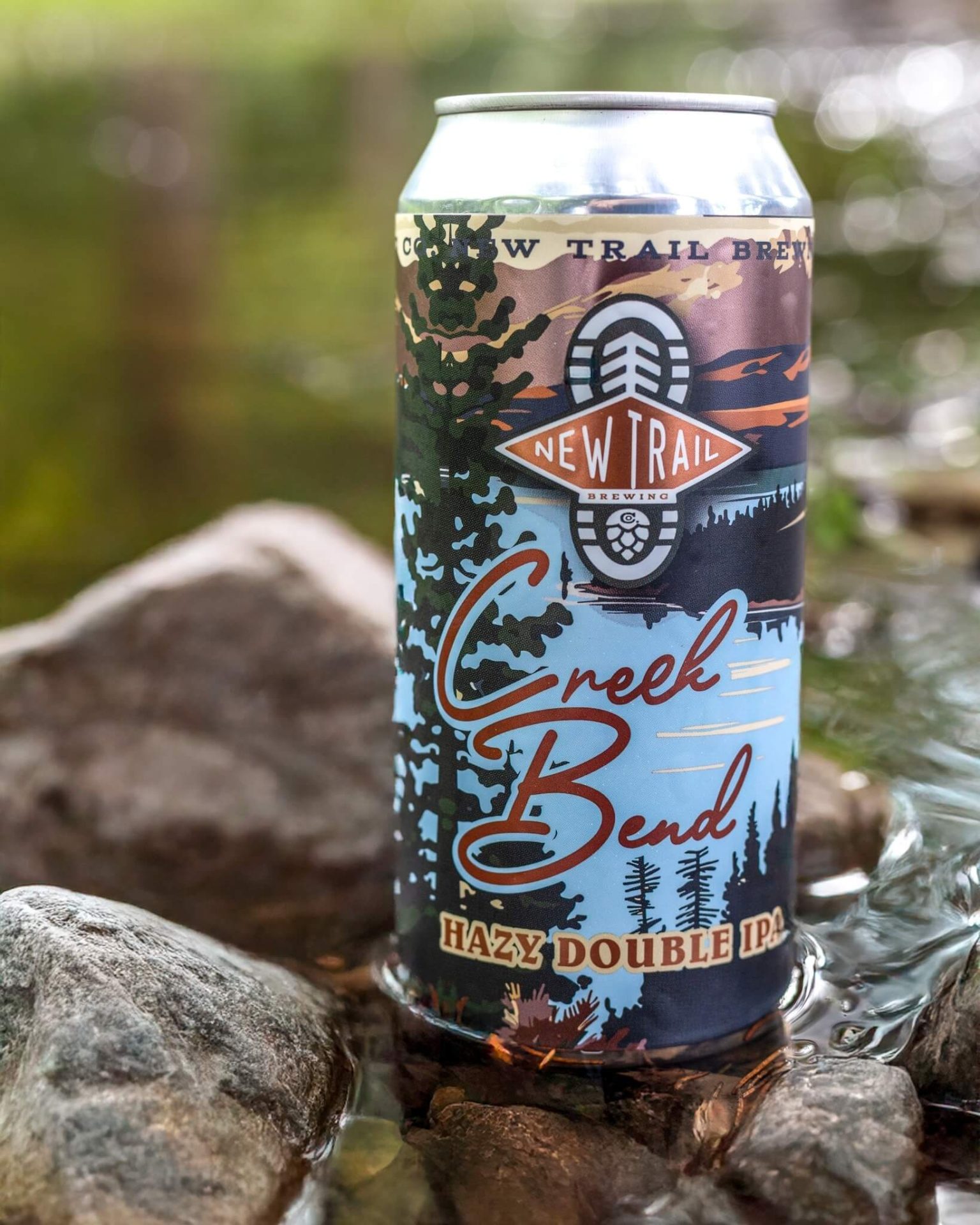
When it comes to shelf life, canned beer is the undisputed trail champion. Our aluminum cans lock out light, seal in freshness, and keep oxygen at bay so unopened cans can stay at peak quality for up to two years. No more clock-watching or worrying about stale beer; with cans, you’re free to plan your next adventure without fear of expired beer ruining the party.
Next time you’re loading up your pack or stocking your cooler, grab one of our beers because when you’re chasing summits or savoring sunsets, you want every sip tasting fresh, bold, and exactly as the brewer intended.
Keep Your Beer Fresh—and Your Adventure Rolling
At New Trail, we pack every ounce of flavor into our can-only lineup—whether it’s the crisp Pilsners, Hazy IPAs, or our bold Broken Heels Double IPA.
Swing by our Tasting Room in Williamsport to sample these trail-ready brews on draft or sip a PA-inspired cocktail in our human- (and dog-) friendly space
Prefer to stock up for your next hike? Use our Beer Finder to locate New Trail cans at a merchant near you.
Ready to taste peak-fresh flavor? We’ll see you on the trail (or in the taproom)!
Frequently Asked Questions
How long does bottled beer stay fresh before it goes bad?
Bottled beer shelf life depends on the style and storage, but as a rough guide: hop-forward ales (IPAs, pale ales) are best within 90 days of bottling, standard lagers and wheat beers within 3–6 months, and darker, higher-ABV brews (stouts, barleywines) can safely age 6–12 months or more.
Beyond those windows, you’ll notice hop aromas fade, carbonation drop, and the flavors shift—so if you’re wondering “how long does beer last,” treat those bottles as time-sensitive trail snacks rather than backup rations.
What are the best practices for beer storage to keep it tasting peak-fresh?
Storing beer properly makes all the difference. Keep bottles cold (45–55°F) and dark—UV light speeds up chemical reactions that can skunk or stale your brew. Store upright to minimize oxygen ingress at the cap, and avoid temperature swings (no hot-to-cold rollercoasters).
Follow these beer storage rules, and you’ll dodge paper-like off flavors, flat mouthfeel, and other signs of beer expiration regret.
Is canned beer better than bottled beer for long-term freshness?
Absolutely. Canned beer locks out light completely and seals in freshness with an airtight seam, so unopened cans can stay at peak quality for up to two years. Bottles, even brown ones, still let in UV and allow tiny amounts of oxygen in over time.
If you’re gearing up for a big adventure, canned beer is your go-to for zero worry about a stale sip.
Is it safe to drink expired beer?
You won’t get sick from most past-prime brews, but drinking expired beer usually means sacrificing flavor. You might notice papery, overly sweet, or flat tastes—signs of oxidation and carbonation loss. Unless you’re chasing a wild aging beer experiment, it’s best to crack open something fresher (ideally in a can!) to keep your adventure tasting bold.
Recent Posts
-
 How Beer Trends Influence Williamsport Breweries
 -
 How a Williamsport Brewery Creates Consistent Flavor Profiles
 -
 What Makes Small-Batch Brewing Special at a Williamsport Brewery?
 -
 Common Beer Myths Debunked by a Williamsport Brewery
 -
 The Difference Between a Brewery, Brewpub, and Taproom in Williamsport

