How Long Will Canned Beer Last in the Fridge? Essential Facts Inside
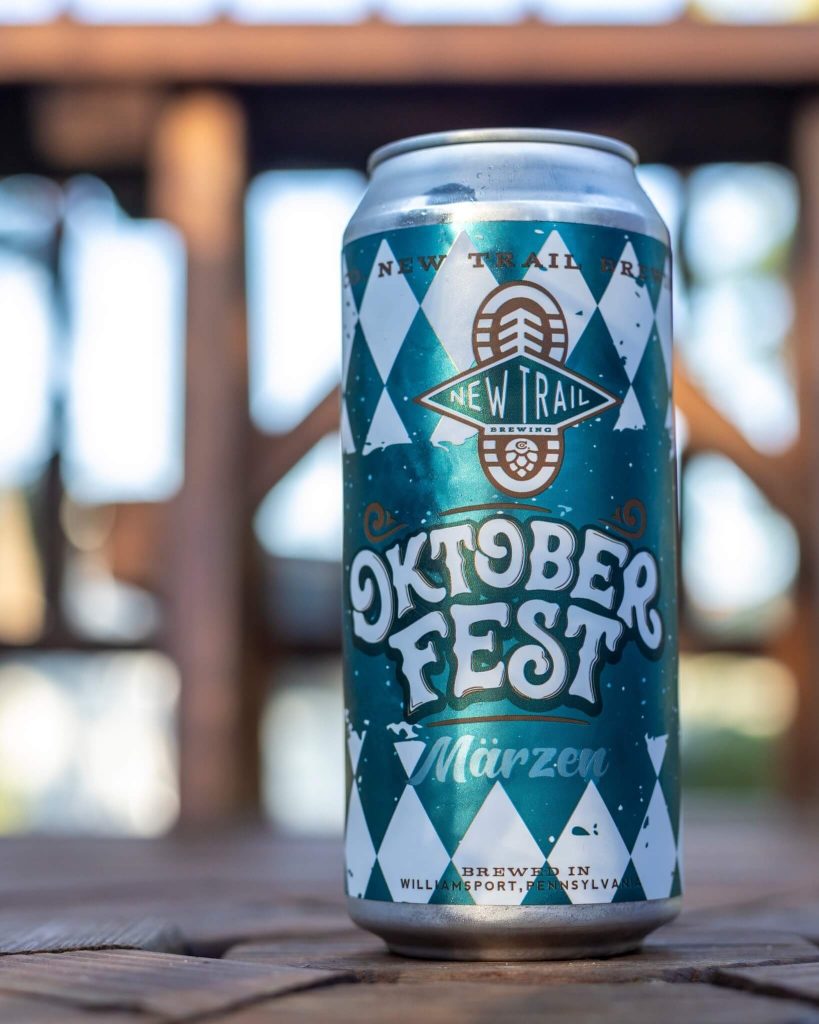
How long will canned beer last in the fridge before it loses its snap? The short answer is longer than most people think, especially when stored cold. Refrigeration slows the aging process and keeps flavors brighter and carbonation lively.
That’s why so many beer brewers champion the “buy cold, keep cold” mantra. Cans already give beer an edge with a tighter seal and protection from light, but fridge temps still matter. Cold storage keeps oxygen reactions at bay and helps your beer taste as close as possible to the moment it left the brewhouse.
Key Takeaways
- Cold is your best friend. Proper beer storage in the fridge slows aging and helps every can hold its full flavor longer.
- Style matters. Hoppy beers shine fresh, while dark beers and high-ABV styles usually enjoy a longer shelf life.
- Dates are guides, not alarms. An expiration date doesn’t always mean “bad beer”—just a reminder to enjoy it before the best character fades.
The Short Answer
So, how long does beer last when it’s chilled and sealed? For an unopened can kept in the fridge, expect about 6–8 months of peak flavor. That’s the sweet spot for most beers, though the shelf life of beer can shift depending on the style.
Beers like IPAs and pale ales have a shorter shelf life since their bold hop aromas start to fade within a few months, even if the beer hasn’t technically expired. On the other hand, high ABV beers, dark stouts, or malt-forward porters often hold their character much longer and can sometimes even improve with age. They’re the opposite of lighter beers or wheat beers, which are best enjoyed fresh.
It’s worth noting that bottled beer, those in clear or green bottles most especially, faces challenges that canned beer avoids. Light exposure can cause beer to develop a skunky aroma, which is why brown bottles or cans are preferred by many craft beer fans. Cans keep oxygen at bay much better and extend beer’s shelf life when you store beer in a cool, dark place.
The bottom line is that beer doesn’t usually “go bad” in a dangerous way, but it can lose freshness, become stale beer, or develop a flat taste over time. If you want to avoid that moment when your beer has gone bad, the rule of thumb is simple—drink beer while it’s still in its window of peak flavor.
Why Cold Wins: The Science in One Minute
Refrigeration is the simplest trick for extending beer’s shelf life. Cold slows down oxidation and the staling reactions that make fresh beer lose its snap. Leave bottled beer or canned beer at room temperature, and those reactions speed up, shortening the window before your beer tastes tired.
Cans already protect beer from UV light that causes the “skunky” effect, while brown bottles offer more protection than clear or green ones. But whether it’s a pilsner, stout, or barrel-aged beer, cold is still your best defense against stale flavors.
Think of it this way: you’re not fighting sunlight with cans; you’re fighting oxygen and time. That’s why beer storage rules are simple: store beer in a cool place, keep it stored in a cool fridge, and avoid direct sunlight or heat. It won’t make an expired beer unsafe because beer doesn’t suddenly become spoiled beer, but it can turn into flat beer or taste like bad beer if ignored.
The easy mantra many craft beer drinkers swear by is “buy cold, keep cold.” It’s the best way to make sure every pour delivers its intended full flavor.
Style-by-Style Freshness Windows (Fridge Storage)
Not every type of beer ages the same way, even when it’s an unopened beer stored in the fridge. The shelf life depends heavily on style, ingredients, and alcohol content.
Light lagers & crisp pilsners: These are reliably drinkable for several months, though their peak flavor shines in the first few. Because they’re delicate, they can taste like stale beer sooner than you’d expect if you let them go bad.
Hoppy beers (IPAs, hazies, pale ales): Best in the first 1–3 months for that bold burst of hop flavors. After that, hops fade and the beer can feel softer, even though it hasn’t truly “expired.” This is why craft beer shelf life is often shorter for hop-driven styles.
Stouts, porters, brown ales & stronger beers: Thanks to their malt depth and higher alcohol content, these dark beers and stronger beers can last longer, sometimes improving with time. A well-stored stout in dark bottles or cans may hold up beautifully for a year or more.
Sour ales & barrel-aged beers: These are wild cards. Their acidity and complexity can let them age gracefully, while some home-brewed beer or packaged sours evolve into something entirely new over time.
Higher ABV usually equals longer stability, but hop aroma is time-sensitive. That’s why an IPA might have a shorter beer expiration date compared to a porter, even with the same ABV.
And remember, drinking expired beer isn’t usually unsafe to drink, but the taste may not deliver what the brewer intended. Good beer storage (cold, dark, away from direct light) makes all the difference in whether your can keeps its vibrancy or turns flat before its time.
How to Read the Date on the Can
One of the easiest ways to know when your beer can go bad is right there on the package.
Most breweries print either a “Canned On” or a “Best By” date. A “Canned On” date tells you exactly when the beer was packaged, while a “Best By” date is the brewery’s recommendation for when to enjoy it before flavors start to fade. Both are useful for planning your beer storage and avoiding that moment when a once-bright pour tastes tired.
Some packaged beer comes stamped with Julian codes, which look cryptic at first. A common format is YYDDD, where “YY” is the year and “DDD” is the day of the year out of 365. For example, 23150 would mean the 150th day of 2023. Once you know the trick, these codes make it easy to see if your beer is about to expire.
The Brewers Association has pushed for clearer, more consistent coding to support freshness and traceability, and many craft breweries now put obvious dates on cans for exactly that reason. Because when it comes to keeping beer from going bad, a little transparency helps you give it just as much thought as you would with any other food or drink.
Opened vs. Unopened: The Real-World Difference
An open beer changes fast. Once the can is cracked, CO₂ begins to escape and oxidation kicks in. That bubbly snap and bright flavor fade quickly, so the rule is simple: enjoy it the same day. Wait too long, and you’ll notice how quickly a good pour can go bad.
On the other hand, an unopened beer stored cold and upright gives you the best odds of preserving freshness. Oxygen exposure is minimized, flavors hold longer, and the beer stays closer to what the brewer intended.
While cans have an edge, lighter colored bottles are more vulnerable to light exposure, which can speed up how fast a beer starts to taste off. In short, beer can go bad faster once opened, while a sealed, cold can buys you time before a beer’s expiration date becomes noticeable in the glass.
Signs Your Can Isn’t at Its Peak
Even before a beer’s expiration date rolls around, you can usually taste when it’s lost its edge. Oxidation shows up as dull or cardboard-like flavors. A once-vibrant IPA may have muted hops, while lagers can feel flat. Sometimes, you might even notice a sour or metallic edge, which is a clear signal your beer is no longer at its best.
Not every change means your beer has gone bad, though. A natural haze in hazy IPAs is completely normal, and a stout can develop deeper notes with time. But if you catch a “skunky” aroma, that’s light damage and a common issue in lighter colored bottles, but rare in cans.
An open beer that’s been left sitting is the quickest path to stale flavors. Carbonation slips away, oxygen moves in, and within hours, you’ll notice the difference. While it’s usually safe to drink, the experience won’t be what the brewer intended.
Storage Playbook: Make Cold Work Harder
Think of beer storage like trail prep: the right habits make the journey better. Start by keeping it cold from the moment you store beer—straight from the shop fridge into yours. Big temperature swings speed up how fast a beer can go bad, so avoid letting it warm up and cool down repeatedly.
Always store cans and bottles upright. This limits oxygen contact and keeps any yeast or sediment settled at the bottom, especially in craft beers or hazies. Whatever you do, don’t freeze your beer and don’t leave it in a hot car; both extremes can warp flavor fast.
A few freshness habits go a long way: buy from high-turnover shops so you know you’re getting fresh beer, check the packaging or beer expiration date, and chill it promptly when you get home. These simple steps extend a beer’s shelf life and make sure every pour hits your glass with full flavor.
Trail-Ready Freshness Awaits
At New Trail, every can is brewed for adventure, and staying fresh makes the experience even better. If you’re planning a weekend hike or stocking the fridge for nights around the fire, freshness is part of the journey.
Stop into our Tasting Room to explore what’s pouring right now, from crisp lagers meant to be enjoyed today to bold stouts designed to last a little longer. Not nearby? Use our Beer Finder to track down New Trail favorites wherever your trail takes you.
Because the right beer, at the right time, makes every adventure taste even better.
Conclusion
Beer doesn’t suddenly turn unsafe when it ages, but it does change. The crisp bite softens, hops fade, and flavors shift. Knowing how long your cans will keep in the fridge and how storage habits affect them means you get to enjoy every pour the way the brewer intended.
Whether it’s a hazy IPA best cracked fresh or a stout that can wait a little longer, freshness is about more than time. It’s about making choices that match the moment, the company, and the adventure in front of you.
Keep it cold, keep it rotating, and keep it fun because beer is at its best when it meets you right where the trail leads.
Frequently Asked Questions
How long does unopened beer keep its full flavor in the fridge?
An unopened beer stored cold usually tastes best within 6–8 months. Hop-forward styles fade sooner, while dark beers and stronger styles can hold their full flavor longer.
Can expired beer still be safe to drink?
Yes, most expired beer isn’t harmful; it just won’t taste as fresh. Over time, flavors dull, hops fade, and you may notice a flat or papery finish.
What affects a beer’s shelf life the most?
A beer’s shelf life depends on the type of beer, its alcohol content, and how it’s stored. Cold beer storage in a dark place helps preserve character, while warm temps make a beer go bad faster.
Why do some beers have an expiration date printed on the can?
A visible expiration date or “canned on” stamp helps you know when to expect peak freshness. It’s part of ensuring you experience the beer with its intended full flavor.
Recent Posts
-
 How Beer Trends Influence Williamsport Breweries
 -
 How a Williamsport Brewery Creates Consistent Flavor Profiles
 -
 What Makes Small-Batch Brewing Special at a Williamsport Brewery?
 -
 Common Beer Myths Debunked by a Williamsport Brewery
 -
 The Difference Between a Brewery, Brewpub, and Taproom in Williamsport

