How Much Sugar is in Ale?
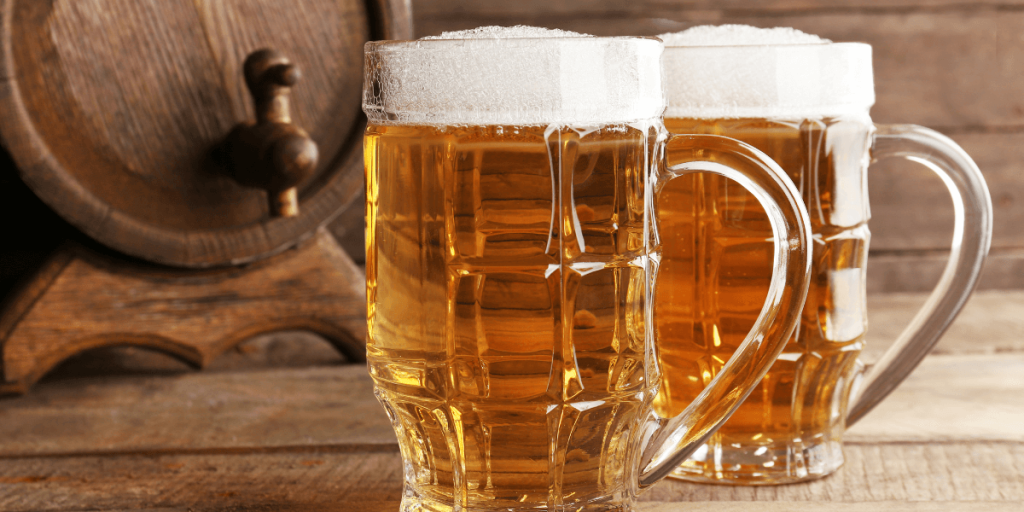
Beer labels list sugar content, but they don’t always tell the full story. How much sugar in ale depends on more than the ingredients—it’s all about the brewing process. Some ales finish dry with barely any residual sugar, while others hold onto a bit more sweetness.
For anyone keeping an eye on sugar intake or just plain interested, it helps to know what’s really in your pint. Let’s take a closer look at where sugar comes from in ale and how different beer styles compare.
Key Takeaways
- Most ales contain very little sugar, with many having less than 1 gram per serving.
- Yeast converts most fermentable sugars into alcohol, leaving only residual sugars in the final brew.
- Ales typically have fewer sugars than cider and soft drinks, making them a lower-sugar beverage choice.
The Brewing Journey from Grain to Glass
A cold beer is the result of a carefully crafted brewing process that transforms grains into beer. The amount of sugar in beer depends on how those grains break down and how much the yeast consumes. Some ales keep a touch of residual sugar, while others ferment almost completely dry.
Where sugar begins
Every great ale starts with malted grains like barley. These grains contain starches that break down into fermentable sugars when soaked in hot water. This step is what gives beer its base flavor and carbohydrate potential.
Not all sugars make it into the final glass. Some become simple sugars that yeast can fully convert into alcohol, while others remain as residual sugars, contributing to body and sweetness. Darker, maltier ales tend to keep higher sugar levels, while light beers and double IPAs typically have less sugar due to longer fermentation.
The yeast gets to work
Once the fermentation process begins, ale yeast steps in to produce alcohol and carbon dioxide, leaving behind the final balance of sugar versus alcohol. The more sugar the yeast consumes, the more alcohol and fewer carbs the beer will have.
Some styles, like macro beers and non-alcoholic beers, may have added corn syrup or glucose to adjust flavor and balance. Meanwhile, beers that finish with less than 1 gram of sugar per serving can be great choices for those watching blood sugar levels or trying to lose weight. Be aware that ethanol contains 7 calories per gram.
From grain to glass, every step of the brewing journey impacts how much sugar ends up in your ale. Next, let’s break down which beer styles hold the most sweetness.
Sugar Content in Different Ale Styles
Not all ales are created equal when it comes to sugar content. Some finish dry with minimal residual sugars, while others hold onto a moderate amount, creating a richer mouthfeel. The brewing process, yeast activity, and malt selection all play a role in how much sugar remains in the final product.
Here’s how different ale styles stack up.
Pale ales
Considered one of the more light beers in the ale category, pale ales are brewed to be refreshing and balanced. Yeast tends to convert most fermentable sugars, leaving behind less than 1 gram of residual sugar in many cases. That crisp finish makes pale ales a popular choice for those watching calories or carbohydrates while still wanting to drink beer with flavor.
Amber ales
A step richer than pale ales, amber ales have more maltose and starches from the malting process, leading to a slightly sweeter taste. The final gravity of these ales is often higher than that of pale ales, meaning they retain a bit more sugar produced during fermentation.
While they don’t reach the levels of stouts or porters, amber ales offer a more body-forward experience with a smooth, balanced sweetness.
Brown ales
Known for their nutty and caramel notes, brown ales contain higher sugar levels than paler varieties. While yeast still works to produce alcohol, some residual sugars remain, adding to the ale’s overall sugar content.
The result is a beer with depth and richness—one that pairs well with hearty foods but also contributes a bit more to calorie content than beers like pale ales.
Porters and stouts
These darker ales tend to have the highest sugar levels of the bunch. The use of malted grains with a high starch content leaves behind more residual sugar, even after fermentation. While some porters and stouts finish dry, many have a fuller, creamier body due to unfermented carbs and sugars in beer that yeast can’t fully break down.
For those monitoring blood sugar or looking to lose weight, these styles may be heavier on the carb content and calories. However, their bold, roasted flavors make them a satisfying choice, especially for fans of other alcoholic beverages like cider or mixed drinks with more pronounced sweetness.
Final thoughts on ale and sugar
While most ales contain some sugar produced during fermentation, the amount varies by style. Lighter ales, like pale ales and higher alcohol beers, like double IPAs, typically have less sugar, while darker, maltier ales hold onto higher sugar levels. If you’re looking for a brew with fewer empty calories, opting for drier ales with lower final gravity may be the way to go.
Factors Influencing Sugar Levels in Ale
Not all ales have the same sugar content, and that’s no accident. Several factors in the brewing process determine how much sugar in beer remains after fermentation.
Malt selection
The type of malt used in brewing plays a huge role in determining how much residual sugar stays in the beer. Darker malts contain more complex carbohydrates that don’t fully break down during fermentation, leading to higher sugar levels in the final ale. This is why malt-heavy styles like stouts and porters tend to have more calories and carbs than light beers.
Yeast strains
Yeast is responsible for turning fermentable sugars into alcohol and carbon dioxide. Some yeast strains are more efficient than others, fermenting nearly all available sugars and leaving behind less than 1 gram of residual sugar.
Others, especially those used in malt-forward ales, leave behind more fructose, maltose, and glucose, contributing to a fuller body and richer sweetness.
Yeast choice can also affect the final gravity of the beer. A lower final gravity means more sugar has been converted, resulting in a drier ale with fewer carbs. A higher final gravity suggests more sugar produced remains in the beer, leading to a sweeter finish.
Brewing techniques
Brewing techniques also shape the amount of sugar in an ale. Factors like mash temperature and fermentation time influence how much sugar yeast can consume.
A higher mash temperature results in more unfermentable sugars, leading to a beer with a richer mouthfeel and more sweetness.
A longer fermentation process gives yeast more time to break down sugars, resulting in a drier beer with lower carbohydrates and calories.
Even non-alcoholic beers have sugar variations based on how they’re brewed. Since alcohol is removed after fermentation, some sugar in beer remains, making them potentially sweeter than regular beers or ales with fully fermented sugars.
Comparing Ale to Other Beverages
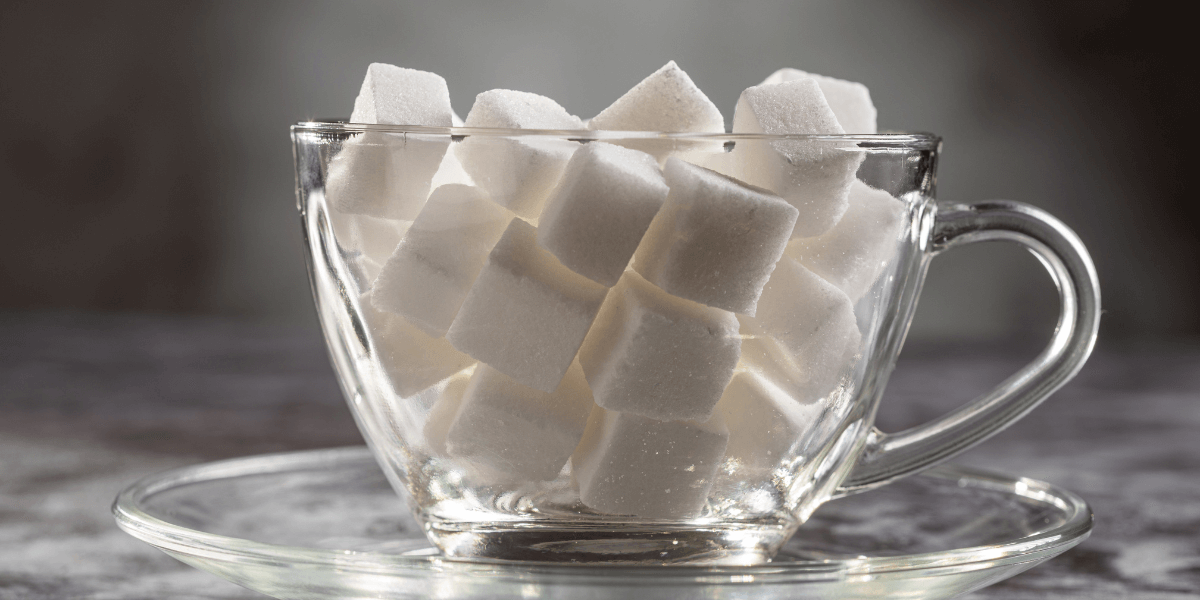
For anyone curious about sugar content, it helps to see how ale stacks up against other alcoholic beverages and everyday drinks. While most ales contain some residual sugar, their overall sweetness and calories can vary widely compared to lagers, non-alcoholic beers, and soft drinks.
Ale vs. lager
Both ales and lagers go through the fermentation process, but their differences start with yeast and temperature. Ales are brewed at warmer temperatures, which allows the yeast to work faster but can leave behind slightly more maltose and residual sugars.
Lagers, fermented at colder temperatures, tend to have a drier, crisper finish with fewer carbs.
Ale vs. non-alcoholic beers
Non-alcoholic beers seem like a lighter choice, but they often contain more sugar content than their alcoholic counterparts. Since alcohol content is reduced or removed, some breweries add sugar to restore flavor lost in the process.
A typical ale can have anywhere from less than 1 gram to a few grams of sugar, depending on the style.
Many non-alcoholic beers contain added sugars, making their calorie count higher than some full-strength ales.
Ale vs. soft drinks
For those watching blood sugar levels or on a diet, drinking beer is often a better choice than reaching for a soda. Most sodas contain high-fructose corn syrup or maltose in large amounts, leading to much higher sugar content than ale.
A standard soft drink can pack 30+ grams of sugar in a single serving.
A regular ale usually contains far less, with most beers landing under 5 grams of sugar, depending on style.
Which one should you drink?
Ales fall somewhere between lagers and non-alcoholic beers in terms of sugar content, and they’re a much better option than soda if you’re keeping an eye on carbs and calories. Choosing the right brew comes down to personal preference, but if less sugar is the goal, dry ales and well-fermented options may be the best pick.
Conclusion
Every ale has a unique balance of sugar, alcohol content, and flavor shaped by the brewing process. Some styles retain more grams of sugar, while others finish drier with fewer carbs and calories. Knowing what’s in your drink makes it easier to find the perfect ale for your taste and lifestyle.
Find Your Perfect Ale
Craving a brew that matches your adventure? Whatever brew you are looking for, New Trail Brewing Co. has something for every explorer. Come visit our Tasting Room or check out our latest lineup through a merchant near you and discover your next favorite ale!
Frequently Asked Questions
Is ale high in sugar?
Most ales have low sugar content, as yeast converts most fermentable sugars into alcohol during fermentation. However, darker and maltier ales may retain more residual sugars than light beers.
How much sugar is in ale beer?
Sugar levels vary by style, but most ales contain less than 1 gram of sugar per serving. Some malt-forward ales, like stouts and porters, may have slightly more grams of sugar due to unfermented carbs.
Is there a lot of sugar in beer?
Compared to soft drinks or cider, beer generally has a lower sugar content. The brewing process removes most of the original sugar in beer, leaving behind minimal residual sugars in the final product.
How healthy is ale?
Moderate consumption of ale can be part of a balanced diet, providing lower carbs and calories than many mixed drinks. However, like all alcoholic beverages, it should be enjoyed responsibly.
Recent Posts
-
 How Beer Trends Influence Williamsport Breweries
 -
 How a Williamsport Brewery Creates Consistent Flavor Profiles
 -
 What Makes Small-Batch Brewing Special at a Williamsport Brewery?
 -
 Common Beer Myths Debunked by a Williamsport Brewery
 -
 The Difference Between a Brewery, Brewpub, and Taproom in Williamsport

