Is Beer a Carbonated Drink?
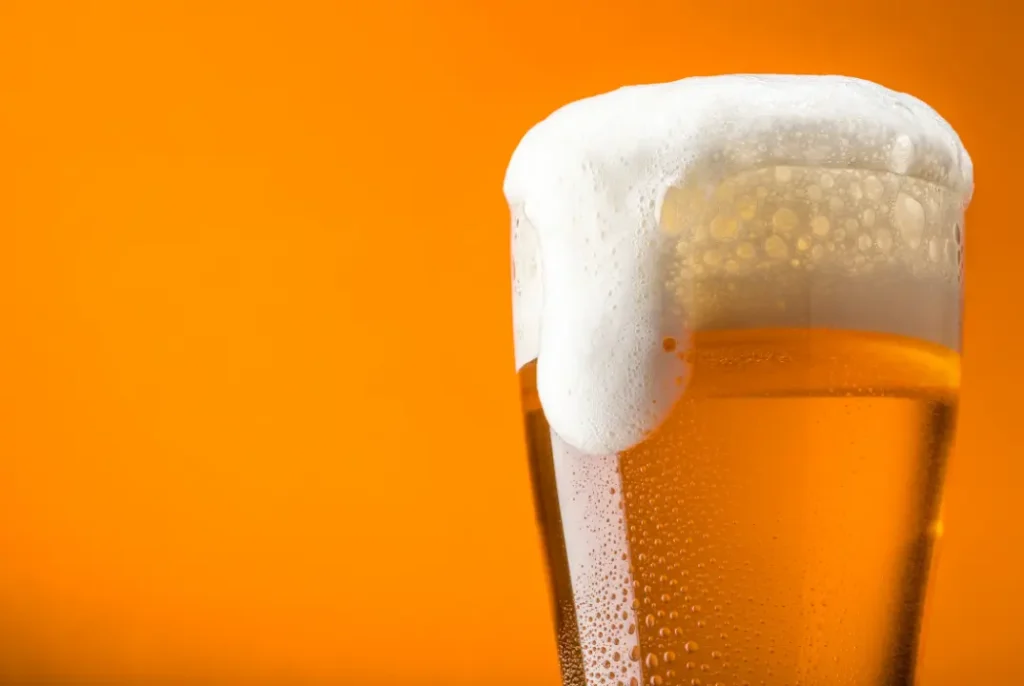
Is beer a carbonated drink? If you’ve enjoyed the delightful fizz of a Pennsylvania beer selection, you already know the answer: Absolutely!
Beer is a beloved beverage worldwide for its refreshing taste and effervescent bubbles. But why is beer carbonated, and what makes those tiny bubbles essential to your brew?
In this blog, we’ll get into the science behind beer carbonation, explore the brewing process, and explain how both natural and forced carbonation contributes to the flavors and aromas we love. So, grab your favorite beer, and let’s get started!
Key Takeaways
- Beer is a carbonated drink, with bubbles formed from natural or forced carbonation, enhancing its flavor and mouthfeel.
- Carbonation levels in beer vary widely, influenced by factors like beer style and brewing methods, making each type unique.
- Proper storage and sealing are crucial to maintaining a beer’s carbonation and desired flavor.
What is Carbonation?
Carbonation is the process of dissolving carbon dioxide (CO2) gas into a liquid, creating the familiar bubbles found in many beverages.
This occurs when CO2 is pressurized and dissolved into a liquid, forming carbonic acid. When the pressure is released, CO2 escapes in the form of bubbles, giving the drink its characteristic fizz and tangy taste.
Carbonation plays a crucial role in the taste and mouthfeel of a beverage. The tiny CO2 bubbles enhance the drink’s aroma and provide a pleasant tingling sensation on the palate, making the beverage feel more refreshing and lively.
Why Carbonation Matters in Beer
Carbonation is essential in transforming a beer into a refreshing and enjoyable carbonated beverage.
When CO2 dissolves into the beer, it creates bubbles that enhance aroma, flavor, and mouthfeel. These bubbles carry aromatic compounds from the beer to your nose, intensifying the desired flavor and making each sip more enjoyable.
The sensation of carbonation, from lightly carbonated ales to highly carbonated beers like German wheat beers, contributes to a beer’s overall appeal and refreshment.
Compared to other carbonated beverages like soda and champagne, beer carbonation is unique in how it affects the drinking experience. While soda provides a sharp fizz and champagne delivers an elegant effervescence, beer carbonation levels vary widely, influenced by factors like beer style and brewing methods.
How Beer Gets Its Bubbles
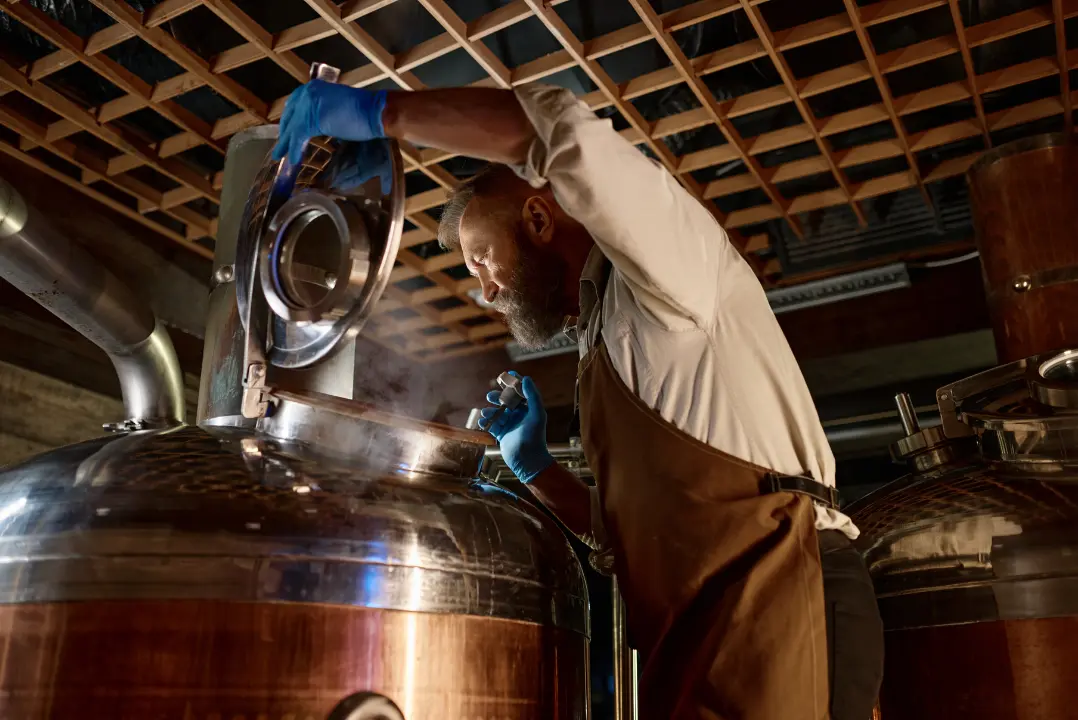
The delightful fizz in beer is a key part of its appeal, giving it that refreshing, bubbly quality we all enjoy. Let’s take a closer look at how beer gets carbonated, starting from the brewing process to the methods brewers use to ensure every sip is perfect.
Natural carbonation
Turning raw ingredients into that perfect carbonated beer involves a few steps. It all starts with mashing, where malted barley is boiled in water to convert starches into fermentable sugars.
Mashing creates a sugary liquid called wort. The wort gets boiled with hops, adding bitterness and flavor, and then cooled down to get ready for fermentation.
Next up is the fermentation process. Yeast is added to the wort, kicking off a magical transformation where yeast converts sugars into alcohol and carbon dioxide. This natural carbonation is crucial in brewing.
As the yeast works its magic, it produces carbon dioxide, which dissolves into liquid under the high pressure of sealed fermentation vessels. Brewers often let some CO2 escape initially but capture the rest to make sure the beer hits those perfect carbonation levels and desired flavors.
Forced carbonation
Unlike natural carbonation, where carbon dioxide is produced during the fermentation process, forced carbonation involves adding CO2 directly to the beer.
Once the beer has completed fermentation, it’s transferred to a brite tank. CO2 gas is then introduced under high pressure, forcing the gas to dissolve into the liquid.
This method gives brewers precise control over carbonation levels, which is especially handy for kegging. Forced carbonation ensures that each batch of beer is consistently carbonated, maintaining the desired flavor and quality.
Types of Carbonated Beer
Carbonation in beer can vary widely, giving each brew its unique character. From the light fizz of ale to the creamy head of a nitro beer, carbonation levels play a huge role in the drinking experience.
Let’s look at the different types of carbonated beer and how they bring their own flair to your glass.
Highly carbonated beers
Some beers are known for their lively bubbles and higher carbonation levels. German wheat beers, for example, are famous for their effervescence. The higher levels of carbon dioxide give these beers a refreshing zing, enhancing their flavor and aroma.
When you pour one of these beers into a glass, you can expect a lively head of foam that sticks around, making every sip a delightful experience.
Lightly carbonated beers
We also have beers with slight carbonation, like British ales. These traditional beers have a gentler fizz, resulting in a smoother mouthfeel.
The lower carbonation levels allow the malt and hops flavors to shine through without being overwhelmed by bubbles. It’s a more relaxed drinking experience, perfect for enjoying the flavors of the brew.
Special types of carbonated beer
Some beers take carbonation to a whole new level with unique methods.
Nitro beer, for instance, uses nitrogen instead of carbon dioxide to create a creamy texture and smooth head. This type of beer is often served on tap and has a distinct mouthfeel that sets it apart from your typical carbonated beverage.
Cask ale is another special type of beer with minimal carbonation. This traditional beer is fermented and stored in casks, and it’s often served without additional CO2 pressure. The result is a beer with a natural, gentle fizz that highlights the flavors of the malt and hops.
Flat vs. Non-Carbonated Beer
Ever had a beer that just didn’t have that satisfying fizz? Flat beer happens, and understanding why can help you avoid it. Let’s talk about what makes beer go flat and the rare cases of non-carbonated beer.
Flat beer: Definition and causes
Flat beer is what happens when the bubbles go missing. The loss of carbonation can be a bummer, and it usually occurs over time or due to poor storage. When a can isn’t sealed properly, carbon dioxide can escape, leaving the beer without its refreshing fizz.
This lack of beer foam can make the drink feel lifeless and dull. Improper storage, like keeping beer in a warm place, can also speed up the loss of carbonation.
Non-carbonated beer styles
While most beers are carbonated to some extent, there are rare instances of non-carbonated beer styles. These beers are typically brewed to be flat and offer a different drinking experience.
Think of traditional cask ales, which might have only a small amount of carbonation, or certain specialty brews crafted by homebrewers experimenting with different styles. These non-carbonated beers are closely related to their carbonated cousins but offer a unique taste and texture.
How to Keep Your Beer Bubbly
Nothing beats the sound of a well-carbonated beer being opened, but how do you keep that perfect fizz intact?
Proper storage and sealing are key to maintaining carbonation and ensuring your beer stays fresh and delicious. Let’s break down how to keep your beer bubbly.
Proper sealing
Brewer-carbonated beers rely on tight can seals to trap carbon dioxide inside. This prevents the gas from escaping and keeps your beer lively and fizzy. A loose cap or a poorly sealed can mean carbon dioxide will seep out, leaving your beer flat and disappointing.
Optimal storage conditions
Always store your beer in cool, dark places to protect it from light and heat. Exposure to light can cause off-flavors, while heat accelerates the loss of carbonation and shortens the shelf life.
A dark basement or a dedicated beer fridge is ideal for keeping your cans in prime condition.
Shelf life considerations
The shelf life of beer varies based on its alcohol content. Beers with higher alcohol levels generally have a longer shelf life, while lower-alcohol beers need to be consumed sooner.
Proper storage and sealing extend the life of your beer, preserving its desired flavor and carbonation. Whether it’s a cask ale, a force-carbonated lager, or the latest creation of a homebrewer, keeping your beer in the right environment is key to enjoying it at its best.
Enjoy the Perfect Beer with New Trail Brewing Co.
New Trail Brewing Co. brews beers that are as adventurous and unique as you are. Into the refreshing tang of a crisp lager or the bold flavors of a hoppy IPA? Our diverse selection has something for every beer enthusiast.
We pour our hearts into every can, ensuring each brew is packed with the desired flavor and the perfect amount of carbonation. From our richly flavored Broken Heels IPA to the smooth and drinkable Lazy River Pils, every sip is crafted to make your beer experience exceptional.
Our passion for quality doesn’t stop at the brewery. We’re committed to sustainability and brewing beers that taste amazing. So, if you’re relaxing or chilling with friends, crack open a can of New Trail and taste the adventure. Cheers!
Summary
Beer carbonation is the magic that makes your drink refreshing and flavorful.
From natural fermentation to precise forced carbonation, carbon dioxide plays a key role in the taste, aroma, and mouthfeel of your favorite brews. Whether you prefer a highly carbonated German wheat beer or a smooth British ale, carbonation is essential for that perfect sip.
Next time you crack open a can of New Trail Brewing Co. beer, appreciate the science and craftsmanship behind those delightful bubbles. Enjoy a well-carbonated beer and celebrate the adventure in every glass.
Frequently Asked Questions
Is beer a carbonated drink or not?
Beer is a carbonated drink. During the brewing process, yeast ferments the sugar, producing carbon dioxide, which creates the bubbles. Whether naturally carbonated or force-carbonated in kegs and cans, these bubbles enhance the flavor and mouthfeel of the beer.
Is alcohol a carbonated drink?
Not all alcoholic drinks are carbonated. While beer, sparkling wine, and some sodas mixed with alcohol have carbonation, many others, like still wine and spirits, do not. The carbonation depends on the brewing process and the desired drink style.
What beer is not carbonated?
Certain traditional cask ales and some specialty brews are minimally carbonated or flat. These beers, stored and served in casks, contain only a small amount of natural carbonation, offering a unique flavor and texture compared to their more bubbly counterparts.
Recent Posts
-
 How Beer Trends Influence Williamsport Breweries
 -
 How a Williamsport Brewery Creates Consistent Flavor Profiles
 -
 What Makes Small-Batch Brewing Special at a Williamsport Brewery?
 -
 Common Beer Myths Debunked by a Williamsport Brewery
 -
 The Difference Between a Brewery, Brewpub, and Taproom in Williamsport

