Is IPA Dark Beer?
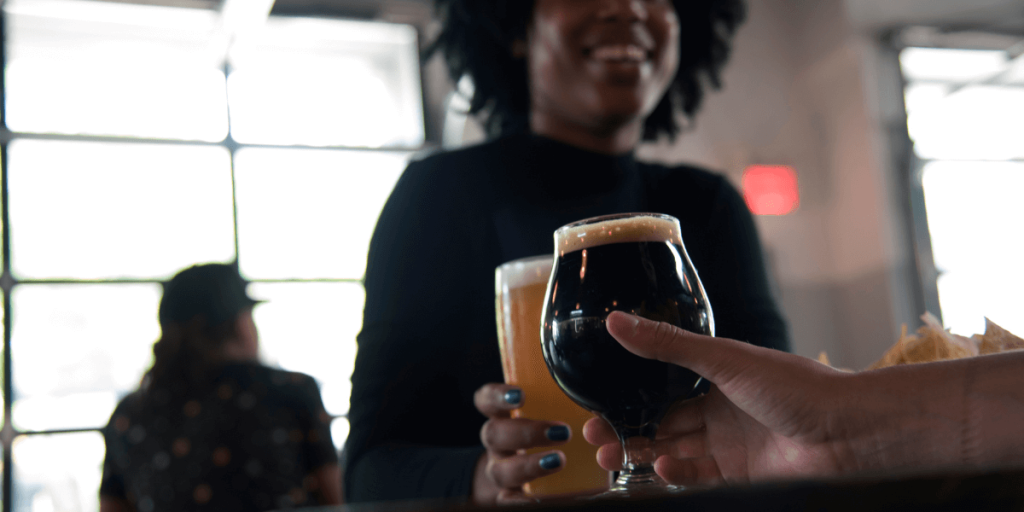
When it comes to craft beer, few styles have captured the imagination of beer lovers quite like the India Pale Ale (IPA). Especially in places like Pennsylvania, where the craft beer scene is thriving, IPAs are often at the top of the list for anyone looking to try something new and exciting.
But with so many variations and styles out there, it’s easy to see why some folks might be confused and ask, “Is IPA dark beer?”
Let’s clear up this common misconception.
While IPAs vary widely in flavor and appearance, they’re typically known for their bold, hoppy profiles and lighter color. However, the world of beer in Pennsylvania is rich and diverse, so it’s worth exploring how IPAs fit into the broader spectrum of beers.
Let’s examine what makes IPAs unique and why they are not what you might expect when you think of dark beer.
Key Takeaways
- IPAs are typically light to amber-colored beers known for their bold, hoppy flavors.
- Like stouts and porters, dark beers use roasted malts to achieve their rich color and flavor.
- While some IPAs, like the Cascadian Dark Ale, are dark, most IPAs are not considered dark beers.
What Defines a Dark Beer?
When we talk about dark beers, we’re looking at a world of rich flavors, deep colors, and ingredients that give each sip a distinct character.
What makes a beer “dark” is the dark malts used during brewing. These malts are roasted longer than those used in lighter beers, giving the beer its signature deep brown to-black color. But it’s not just about appearance—these darker malts also contribute to the complex flavors often found in dark beers, such as coffee, chocolate, and caramel.
Examples of dark beer
Stouts and Porters are the most iconic examples of dark beers. A Dry Irish Stout, like the ones stout lovers adore, is smooth, with a creamy texture and a distinct roasted flavor. Porters, on the other hand, often have a slightly lighter body but still showcase that rich, roasted malt character.
Both these styles highlight how the roasting of grains melds with the brewing process to create the dark, comforting flavors we associate with these beers.
And then you have intriguing styles like the Cascadian Dark Ale (sometimes referred to as Black IPA) that blends the bold, hoppy flavor of an American IPA with the rich, roasted malts typical of dark beers. The result is a hoppy dark beer with intense flavors that challenge the traditional boundaries of what a dark beer can be.
The Cascadian Dark Ale and Black IPAs are prime examples of how brewers experiment with unique beers that defy simple categorization, offering drinkers a taste of the dark side with a familiar hoppy twist.
IPAs typically lean towards a lighter color and flavor profile. However, when darker malts are introduced—like in a Dark IPA or Black IPA—you get a beer that combines the best of both worlds: the deep, roasted notes of a dark beer with the intense hops and bitterness that IPA lovers crave.
What is an IPA?
Since we’re differentiating an IPA from dark beer, let’s make the distinction clearer. An IPA, or India Pale Ale, is one of the standout styles in the craft beer world, celebrated for its hoppy flavor and aromatic complexity.
The ingredients in IPAs are crucial in defining their character. Hops are the primary driver, contributing not only bitterness but also layers of flavor and aroma. Depending on the hop varieties used, an IPA can range from fruity and citrusy to piney and resinous.
Pale malts are typical in most IPAs, but darker malts can be used in styles like the Black IPA or Cascadian Dark Ale.
Modern IPAs
The history of IPA dates back to the 18th century when British brewers began adding extra hops to their pale ales to preserve the beer on long voyages to India. These hops acted as a natural preservative, ensuring the beer stayed fresh throughout the journey. What started as a practical solution soon evolved into a style beloved for its distinctive taste.
Today, IPAs have become incredibly diverse, with brewers experimenting with various hop combinations and brewing techniques. For example, the West Coast IPA is known for its clear, amber appearance and assertive bitterness, thanks to the prominent use of American hops. These IPAs often showcase a bright, hoppy profile with a relatively light malt base, making them crisp and refreshing.
On the other side of the spectrum, the New England IPA is recognized for its hazy appearance and juicy, tropical flavors. This style has captivated drinkers with its softer bitterness and fuller mouthfeel, which is achieved by focusing on hop aroma and flavor rather than just bitterness.
Color Profile of IPAs

When it comes to the color of IPAs, the spectrum typically ranges from pale golden to deep amber. The majority of pale ales and IPAs fall within this lighter color range, thanks to the use of pale malts as the base ingredient. These malts are lightly roasted, which keeps the beer’s color light and allows the hops to shine both in flavor and aroma.
The light, golden hues of an American Pale Ale or a West Coast IPA are what many beer lovers envision when they think of a classic IPA. These beers often have a bright, clear appearance, highlighting the crisp and refreshing nature that IPAs are known for. The delicious hoppy IPAs you enjoy likely owe their inviting, golden tones to this traditional brewing approach.
However, IPAs can also venture into darker shades, particularly when brewers experiment with different types of malts. Amber ales, for example, incorporate more deeply roasted malts, giving them a richer amber color. This adds complexity to the beer, balancing the hoppy bitterness with a slight malt sweetness.
Then there’s the Black IPA, which stands out as an intriguing exception in the IPA family. It’s a unique beer that defies the traditional expectations of what an IPA should look and taste like. While most IPAs are light and bright, the darker variants showcase the versatility of the style.
Why People Think IPAs Might Be Dark
It’s not surprising that some people might think IPAs are dark beers, especially given the evolving landscape of craft brewing. One reason for this confusion is the rise of styles like the Black IPA.
Marketing also plays a role in the mix-up. Craft breweries love to push boundaries and create intriguing styles that defy traditional categories. As a result, the term “IPA” has become somewhat of a catch-all for hoppy beers, regardless of their color.
For example, a Double IPA might be stronger and more bitter but still light in color, while a Black IPA might look like a stout but taste distinctly different due to its hop-forward nature.
Another factor is the overlap in ingredients between certain IPAs and dark beers. The use of roasted grains and debittered black malt in Black IPAs creates a flavor profile that’s richer and more complex, similar to a hoppy porter.
However, despite these shared characteristics, traditional IPAs and dark beers remain distinct from one another. Even though Black IPAs blur the lines, the distinct hop bitterness and aroma in these beers still set them apart from the sweeter, malt-forward flavors of dark beers.
In the end, while the emergence of styles like the Black IPA has contributed to some confusion, the differences between traditional IPAs and dark beers are clear. Traditional IPAs are all about the hops, with lighter malts providing a clean canvas for those bold flavors to shine. Dark beers, on the other hand, focus on the richness and depth that comes from roasted malts.
So, if you’re looking for that delicious hoppy IPA experience, rest assured that most IPAs won’t be dark, but there’s a world of variety to explore if you’re curious.
Take Your Taste Buds on a Trailblazing Adventure
Whether you’re an IPA lover seeking that perfect hoppy beer or just curious about the spectrum of styles, our Tasting Room at New Trail Brewing Co. is the place to start your adventure.
We invite you to explore our lineup of IPAs, each crafted with unique hop combinations and flavors that will excite your palate. From light and refreshing pale ales to the robust grains of our darker malt offerings, there’s a brew here for every beer enthusiast.
So, come on down, grab a pint, and let us guide you through the fascinating world of craft beer. Cheers to new trails and delicious discoveries!
Frequently Asked Questions
What kind of beer is IPA?
An IPA, or India Pale Ale, is a hoppy beer style known for its strong, aromatic flavors and typically ranges in color from pale gold to amber.
What type of beer is dark?
Dark beers include stouts, porters, and other styles that use dark malts to achieve their deep color and rich, roasted flavors.
Is an IPA a lighter beer?
Most IPAs are considered lighter beers in terms of color, with a bright, hoppy profile, though they can vary in intensity and alcohol content.
What level of beer is IPA?
IPAs generally have a medium to high alcohol content, often ranging from 5% to 7.5% ABV, with some variations like double IPAs exceeding this range.
Recent Posts
-
 How Beer Trends Influence Williamsport Breweries
 -
 How a Williamsport Brewery Creates Consistent Flavor Profiles
 -
 What Makes Small-Batch Brewing Special at a Williamsport Brewery?
 -
 Common Beer Myths Debunked by a Williamsport Brewery
 -
 The Difference Between a Brewery, Brewpub, and Taproom in Williamsport

