Pale Ale Nutrition: What’s in Your Can?

It’s easy to love pale ales for their balance—bright hop flavor, just enough bitterness, and plenty of drinkability. But what about what’s inside, nutritionally speaking? If you’ve ever wondered about pale ale nutrition beyond what your taste buds are telling you, you’re definitely not alone.
Getting a grip on pale ale nutrition gives you a clearer picture of what’s in your can and might even make you appreciate it more. Let’s break down what really makes up your favorite pour and why it’s worth knowing.
Key Takeaways
- Pale ales offer a balanced flavor profile with moderate calories, making them a smart choice for mindful beer drinkers.
- ABV, ingredients, and serving size all influence the nutritional content of your favorite pour.
- Understanding pale ale nutrition lets you enjoy your beer without the guesswork.
What Defines a Pale Ale?
Pale ales sit in that sweet spot where flavor and balance meet. Known for their golden to amber color and moderate hop profile, they tend to be approachable, versatile, and easy to savor. If you’re drinking beer for the taste, not just the kick, pale ales deliver without overdoing it on the alcohol or carbs.
So, what goes in? Water, malted barley, hops, and yeast. The hops give pale ales their characteristic bitterness and aroma, while the malt adds body and a touch of sweetness.
Depending on the style, you’ll see pale ales vary in calorie content. Some are brewed to be sessionable (lower ABV, fewer calories), while others aim for bold flavors and might bring a bit more calories with them.
A typical 12 fl oz pour lands around 150–180 calories, with a few grams of carbohydrates and just a sliver of protein. Fat? Practically none. And because of how they’re brewed, pale ales taste clean.
In short, pale ales give you flavor, not filler. They’re a smart pick when you want to enjoy your beer and still keep things in check.
Nutritional Breakdown of Pale Ales
Crack open a 12 oz can of pale ale, and here’s roughly what you’re working with:
- Calories: 150–180 kcal
- Carbohydrates: 13–15 grams
- Protein: 1–2 grams
- Fat: 0 grams
It’s not exactly a salad, but it’s not a gut bomb, either. The intake is pretty manageable, especially when you consider the flavor you’re getting in return.
What makes the numbers shift? A few things. First, ABV plays a huge role. More alcohol = more calories. Then there’s residual sugar. Some brands brew drier beers that leave less sugar behind, while others lean into malt sweetness for extra body, which means a little extra on the calorie scale.
Pale ales are also relatively clean when you compare them to richer styles like porters or stouts. No heavy additives, no extra fat, and if you’re sticking to moderation, there’s room for a cold one in most balanced routines.
Also worth noting is some research floating around that suggests beer may contain trace antioxidants from hops and malt. Nothing to plan your diet around, but not bad as a bonus.
Pale Ale vs. Other Beer Styles
Pale ales are part of a bigger beer family, but they’ve carved out a spot of their own when it comes to balance—flavor, body, and calorie content that doesn’t go overboard. Here’s how they compare to a few other popular styles.
India Pale Ales (IPA)
India Pale Ales (IPAs) evolved from traditional pale ales but bring bigger everything—higher ABV, more hops, and yes, more calories. That extra intensity usually means more carbs, too. So, while you might love an IPA’s punch, it comes with a bit more burn nutritionally. A classic pale ale keeps the hops but reins it in.
Lagers
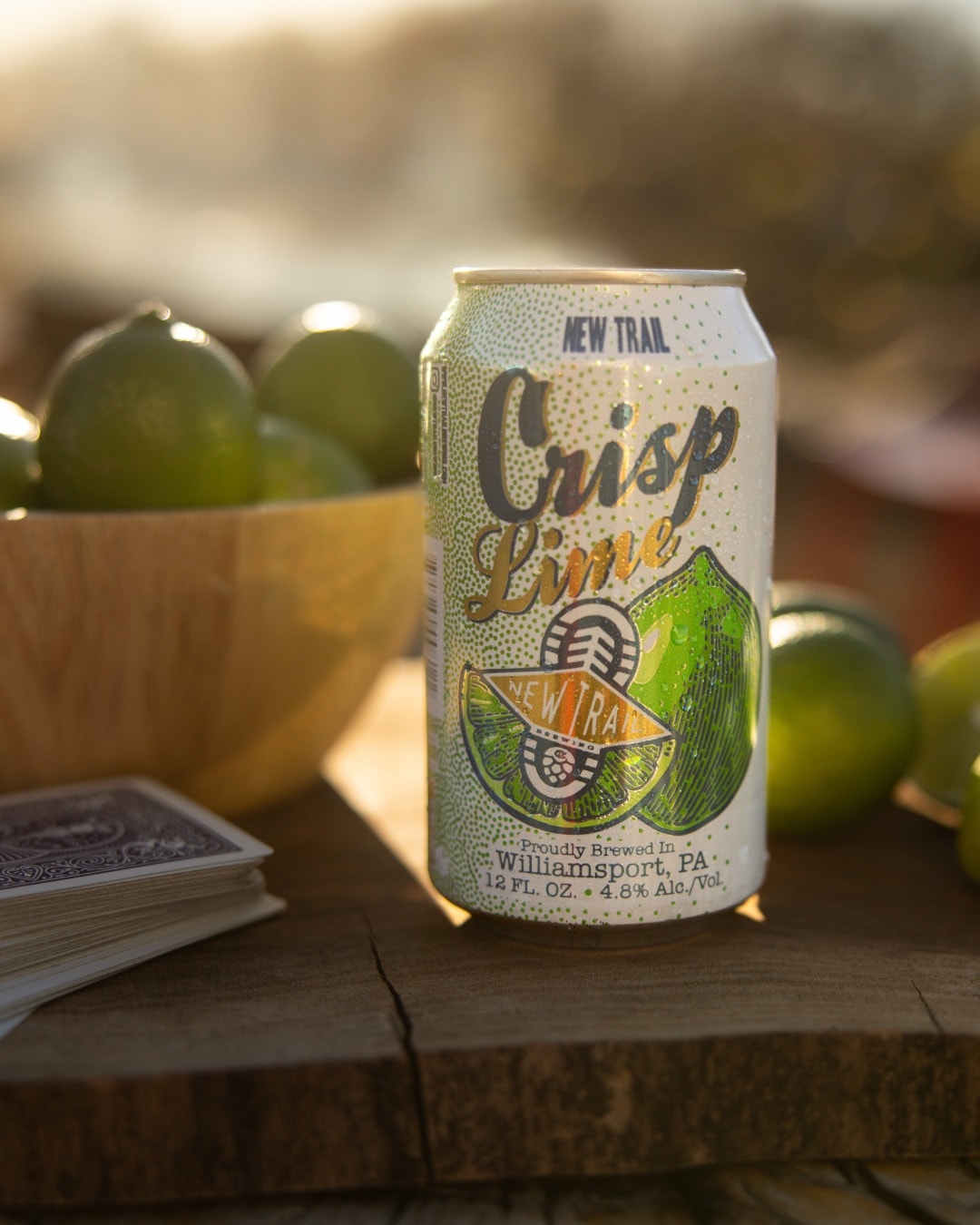
Lagers, especially the light ones, are often the lowest in calories and carbs. But that lightness extends to flavor, too. They’re refreshing, sure, but a pale ale gives you more character without going overboard on the calorie side. You’re not stuck choosing between watery and overwhelming.
Stouts
Stouts are where things get heavy fast. Roasted malts, added ingredients like chocolate or peanut butter, and a thicker body bring on a heftier nutritional load. These are the beers that sit with you—the kind you pour into a glass and savor slowly.
Why Pale Ales Hit the Sweet Spot
Pale ales don’t burn out your palate or your daily totals. They’re not the lightest option out there, but they offer balance. Enough flavor to feel satisfying, but not so much that it leaves you full or foggy. If you’re going to pick one beer to keep in your fridge long-term, this style is a solid choice.
And yes, we’re can people not bottle folks. It keeps the beer fresher and longer. Which, in our book, is important.
Keeping It Real with Pale Ales
You don’t need a food scale and a spreadsheet to enjoy a beer with a little awareness. Pale ales fit pretty neatly into most routines.
Pour, don’t overpour
A 12 fl oz can is your friend. It’s easy to underestimate how much you’re drinking when you’re swapping glasses or going back for a top-off. Sticking to a standard pour keeps your calorie and carb counts more predictable.
Food makes it better
Not just taste-wise, though pale ales are great with grilled stuff, spicy dishes, and even a good cheese plate. Eating something alongside your beer slows absorption, keeps blood sugar steadier, and makes the whole thing feel like a proper occasion instead of just knocking back a drink.
Know your rhythm
You don’t have to give up beer to feel good about your intake. Find what works for you. One solid pale ale might hit the spot on a weeknight, while a couple over a weekend dinner out might fit just fine, too.
The goal isn’t restriction. It’s just being aware enough to enjoy the beer without blowing past your own comfort zone. Pale ales make that easy.
Conclusion
Knowing the basics of pale ale nutrition doesn’t mean turning beer into homework. It just means you’ve got the info to make choices that work for you, whether that’s picking a lower-ABV option, pairing it with the right food, or just being more mindful of how much you’re pouring.
Pale ales offer a rare combo: flavor you can feel good about, with a balance that doesn’t ask for compromise. Keep enjoying what you love, but just with a little extra insight behind every can.
Find Your Pale Ale, Your Way
At New Trail Brewing Co., we craft beers for people who love the outdoors, flavor, and good company—without the nonsense. Our pale ales are brewed in cans (not bottles) and designed to deliver a balanced taste you can enjoy on your terms.
Stop by our Tasting Room to try them fresh, or use our beer finder to track down a New Trail merchant near you. Either way, it’s your beer, your trail.
Frequently Asked Questions
Do pale ales typically have fewer calories than other beers?
Generally, yes. Pale ales often fall in the mid-range for calorie counts—lower than high-ABV IPAs or stouts but higher than light lagers. Their balance of malt and hops gives flavor without pushing the numbers too high.
What affects the calorie content of a pale ale?
ABV is a major factor—more alcohol usually means more calories. Residual sugars from the malt and any added ingredients also contribute. A dry, lower-ABV pale ale will usually have fewer calories than a stronger, sweeter one.
Are pale ales a good choice for someone watching their nutrition?
Yes, they’re a solid option. They offer a flavorful experience without being too heavy in calories or carbs, especially when enjoyed in moderation.
How can I enjoy pale ale without overdoing it?
Stick to standard servings, enjoy it with a meal, and choose versions with moderate ABV. It’s all about balance—knowing what’s in your beer lets you enjoy it comfortably.
Recent Posts
-
 How Beer Trends Influence Williamsport Breweries
 -
 How a Williamsport Brewery Creates Consistent Flavor Profiles
 -
 What Makes Small-Batch Brewing Special at a Williamsport Brewery?
 -
 Common Beer Myths Debunked by a Williamsport Brewery
 -
 The Difference Between a Brewery, Brewpub, and Taproom in Williamsport

