The Difference Between Lager and IPA
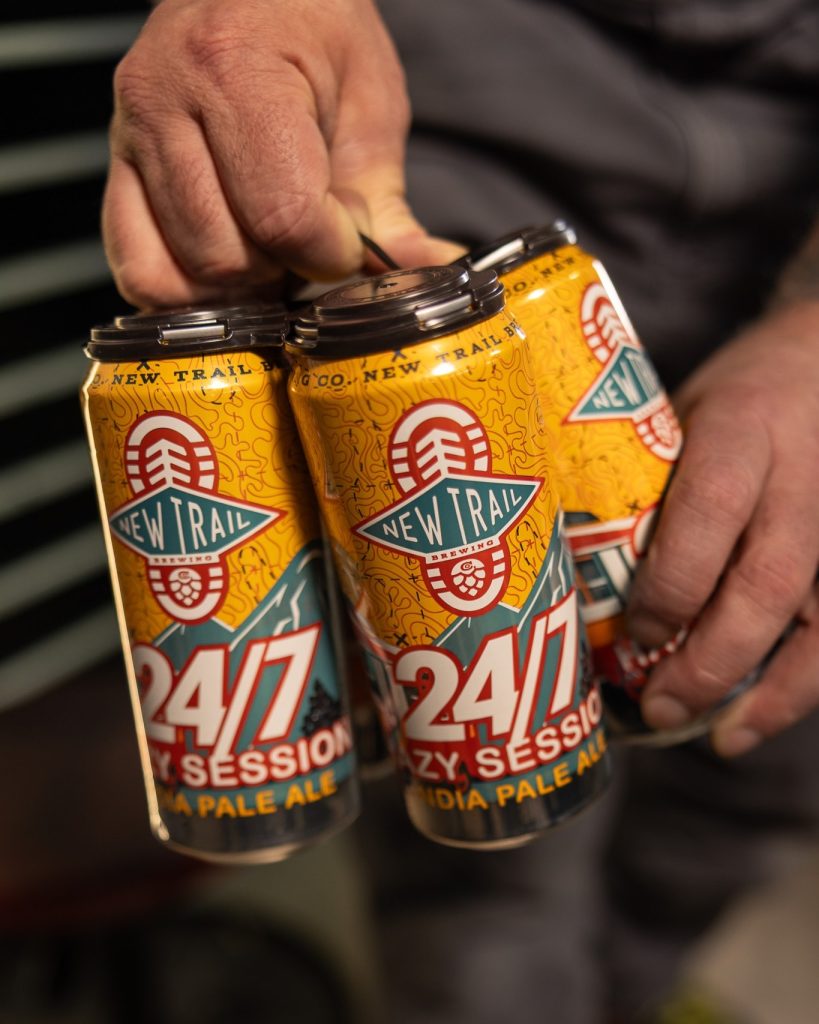
You’re standing at the bar after a long day outside, scanning the tap list. One side promises crisp refreshment. The other leans into bold hop aroma and a little more punch. It’s the classic fork in the trail: do you go with a clean, easy-drinking lager, or something louder and hop-forward?
At a craft brewery like ours, this question comes up all the time. The difference between lager and IPA (India Pale Ale) isn’t just about color or strength. It comes down to yeast, fermentation, flavor, and the brewing approach behind each pint. Those decisions shape everything from aroma to mouthfeel to how that beer feels after the first sip.
We’re going to break it down clearly and simply. No beer snob language. No overcomplicated science lesson. Just what actually matters in your glass, so you can choose the beer that fits your day.
Key Takeaways
- Lagers use colder fermentation for a clean, crisp finish, while IPAs ferment warmer for more expressive, hop-forward character.
- Lagers tend to be smooth and refreshing, while India Pale Ales showcase bolder aroma, fuller body, and more noticeable hop presence.
- Some days call for crisp balance. Others call for hop intensity. The right choice depends on where you are and what kind of experience you want.
The Core Difference: It Starts with Yeast
When people compare beer styles, they usually talk about hops first. The main difference begins with yeast and fermentation.
Lagers use bottom-fermenting yeast, often called lager yeast. This yeast works best at cooler temperatures and ferments slowly. That slower, colder brewing process is what gives most lagers their clean taste and crisp finish. Think pilsners, crisp lagers, and even dark lagers — smooth, steady, refreshing.
IPAs fall into the ale category and use top-fermenting yeast, typically strains of Saccharomyces cerevisiae. This ale yeast thrives at warmer temperatures. That warmer fermentation creates more fruity and citrusy character, along with subtle floral notes. It’s a big reason India Pale Ales (and pale ale variations feel more expressive in the glass.
Cooler temperatures vs warmer fermentation
Fermentation temperature shapes flavor clarity.
At cooler temperatures, lagers tend to suppress fruity esters. The result is a balanced profile where malt and subtle hop bitterness shine without distraction. Lagers sit clean on the palate, delivering crisp refreshment that feels right after a long hike or a full day outside.
At warmer temperatures, ales tend to develop more aroma and character. IPAs (ranging from New England IPAs with lower bitterness to aggressively bitter West Coast IPAs) showcase bold hop flavors and complex hop flavors. That fruit-forward, hop-forward personality creates more punch and often more pronounced bitterness measured in international bitterness units.
That’s why the IPA vs lager conversation isn’t just about alcohol content or color. It’s about how yeast and fermentation shape completely different experiences.
And once yeast sets the foundation, the next layer really defines how these two styles separate even further.
Flavor Profile: Crisp & Clean vs Bold & Hoppy
Now that we’ve covered yeast, let’s talk about what you actually taste.
If you’re guiding someone through a flight, this is where the key differences really show up.
Lagers: Smooth, refreshing, balanced
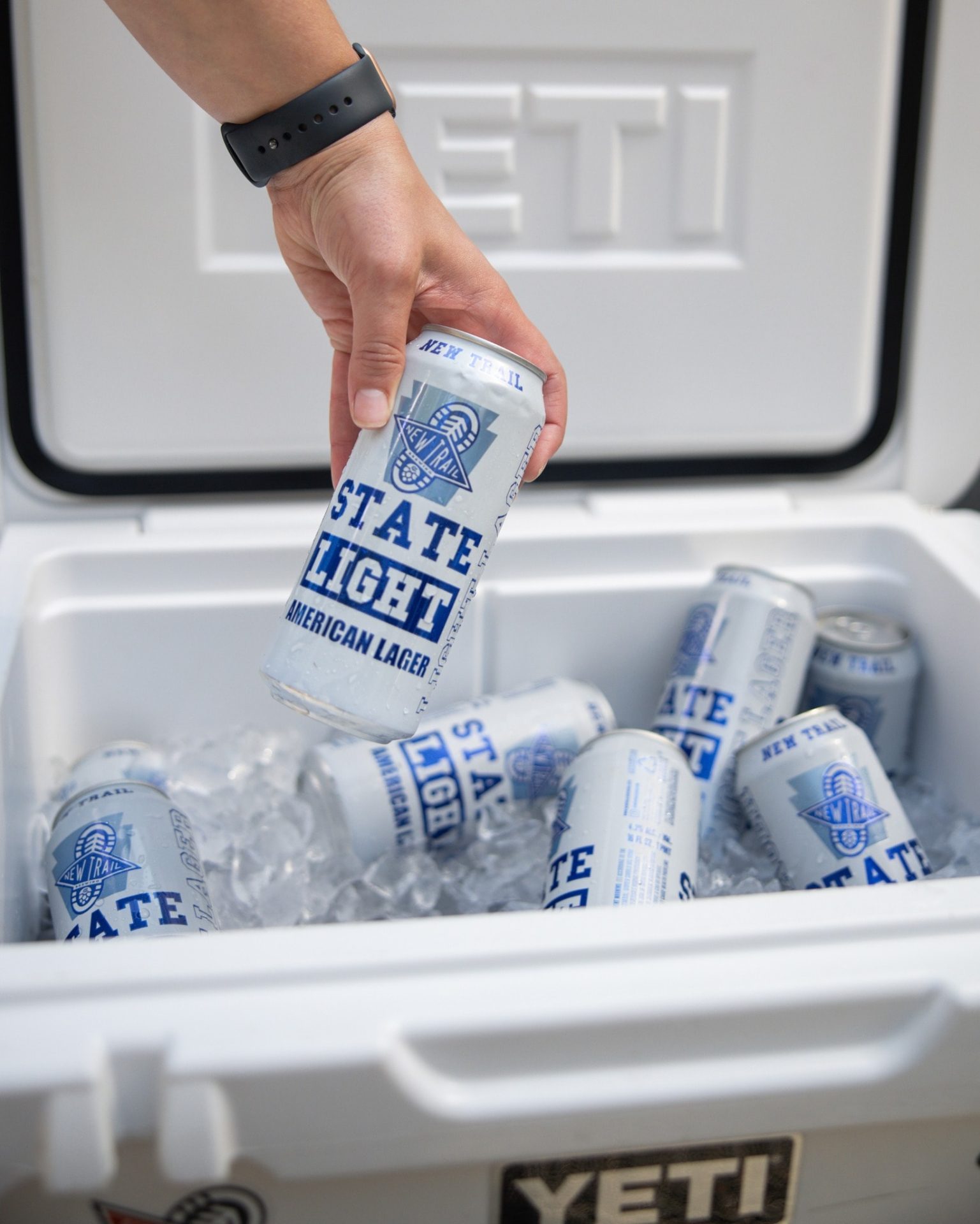 Lagers lean into subtlety. They’re often smooth, crisp, and clean, with a balanced profile that lets malt shine without overpowering the palate. You might notice light grain character, a touch of sweetness from the malt, and gentle bitterness on the finish.
They’re not trying to dominate your senses. Most lagers are built for drinkability. That’s part of why they’ve remained such a popular beer choice around the world. The name itself comes from a German word tied to cold storage, which hints at their refined, patient brewing process.
When it comes to food pairings, lagers shine with grilled meats, fried foods, and mild cheeses. That clean finish resets your palate between bites. If you’re firmly team lager, you probably appreciate crisp refreshment over intensity.
IPAs: Hop-forward and expressive
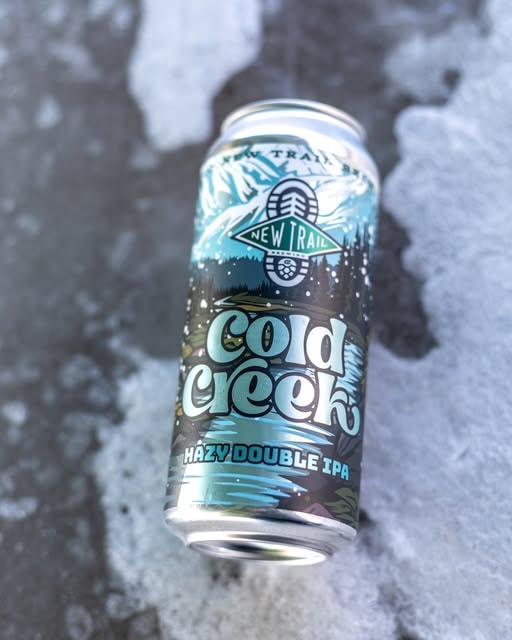 Now take a sip of an Indian Pale Ale, and everything shifts.
IPAs are built around hops. Extra hops were originally used by British brewers as a natural preservative that helped preserve beer on long voyages. Over time, that necessity turned into a defining feature. Modern IPAs lean into bold flavours, layered aroma, and a fuller body.
Depending on hop varieties and brewing approach, you might pick up citrus, pine, tropical fruit, or even resinous notes. American IPAs often push bright hop character and assertive bitterness, while other styles explore softer or fruitier expressions.
That hop intensity is what separates IPAs from malt-forward styles. More hops mean more aroma and more noticeable bitterness. But here’s the important distinction: bitterness isn’t the same as strength. A beer can have a bold hop presence without sky-high alcohol. Flavor profiles and alcohol content don’t always move together.
Next, we’ll look at how those flavor decisions connect back to the brewing process itself and why time and temperature matter just as much as ingredients.
Alcohol Content and Body
Moderate vs higher ABV
Once you move past flavor, alcohol content is usually the next comparison point.
Most lagers sit in a moderate ABV range, often around 4–5%. That steady profile is part of their appeal. They’re brewed for balance and drinkability, making them easy to enjoy over a full afternoon or around a fire after a long day outside.
IPAs often trend higher, commonly landing in the 6–7% range and sometimes climbing beyond that depending on the style. But that’s not a hard rule. There are lighter, sessionable IPAs, and there are stronger lagers. ABV alone doesn’t define the difference between lager and IPA.
Light and crisp vs fuller and aromatic
The body is where you’ll really feel the contrast.
Lagers typically deliver a light, crisp mouthfeel. The carbonation feels sharp and refreshing, and the finish stays clean. Nothing lingers too long. It’s smooth, straightforward, and built for repeat sips.
IPAs often carry a fuller body. Even before you taste them, the aroma rises from the glass. That hop presence adds texture and depth, creating a beer that feels rounder and more layered on the palate. The experience is often bigger, even if the alcohol content isn’t dramatically higher.
So while ABV plays a role, it’s just one piece of the equation.
Next, let’s look at how the brewing techniques behind these styles create those differences in the first place.
Brewing Process: Time, Temperature, and Patience
Cold and slow: The lager approach
Lagers are built on patience.
They ferment at colder temperatures, which slows everything down. After primary fermentation, they go through an extended conditioning phase known as lagering. That extra time allows flavors to smooth out, rough edges to settle, and clarity to develop naturally.
Cold fermentation keeps yeast character restrained. You won’t find a lot of fruity esters competing for attention. Instead, the final beer reflects precision. Clean, crisp, refined. Every step in the brewing process is designed to create balance rather than intensity.
That slower timeline requires planning. Tank space stays tied up longer. Temperatures must stay consistent. It’s not flashy brewing, but it’s disciplined. When we brew lagers, we’re committing to letting time do its work.
Warmer fermentation and layered hops
IPAs move at a different rhythm.
They ferment at warmer temperatures, which allows yeast to contribute subtle fruit character. But the real personality often comes from how and when hops are added. Unlike lagers, IPAs frequently feature hop additions at multiple stages of the brewing process — early in the boil for bitterness, later for flavor, and sometimes after fermentation for aroma.
That last step is called dry hopping.
Dry hopping simply means adding hops after fermentation has mostly finished. Instead of boiling them, we steep them in the beer at cooler temperatures. This pulls out aromatic oils without adding much additional bitterness. It’s how IPAs develop those bright, expressive hop notes that rise from the glass before you even take a sip.
Those decisions (fermentation temperature, timing, hop additions, conditioning length) shape the final character of the beer. Nothing is accidental.
At a craft brewery, brewing is about choosing a direction and committing to it. Cold and patient for clarity. Warm and hop-driven for expression.
Two paths. Two results. And every detail along the way matters.
Can You Like Both? (Absolutely.)
Beer preference isn’t fixed. It shifts with the season, your mood, and where you are.
Hot summer afternoon? A crisp lager might be exactly what you’re after. Cool evening around the fire? An IPA with a layered aroma and bold character could feel just right. What sounds good after a long trail run might not be what you reach for during a slow taproom night with friends.
It’s less about choosing sides and more about matching the moment.
Exploration is part of the fun
There’s no rule that says you have to pick one lane. Some days you’re team lager. Other days, you want hops that jump out of the glass. That flexibility is part of what makes craft beer interesting.
At a craft brewery, we don’t see these as competing styles. We see them as different experiences. Crisp and clean for one kind of adventure. Hop-forward and expressive for another.
Trying both side by side is one of the best ways to understand what you like. Pay attention to how each feels, not just how it tastes. Body, aroma, finish, mood—it all plays a role.
The good news is that you don’t have to commit to just one trail.
Find Your Style at New Trail
At New Trail, we don’t believe you have to choose sides.
We brew crisp, clean lagers as well as hop-forward IPAs layered with aroma and character for when you want something with a little more edge. Both styles matter to us. Both have their place.
Join us for a pint
If you’re curious which direction fits your taste, come see us in the Tasting Room. Pull up a seat, talk beer with our crew, and try a few side by side. There’s no better way to figure out what speaks to you.
Out exploring somewhere else? Use our Beer Finder to track down a New Trail near you and bring the right beer along for the ride.
However you define your style, we’re here to brew it.
Conclusion
The difference between lager and IPA comes down to yeast, fermentation, and the choices made during the brewing process. One leans crisp and clean. The other brings bold hop character and layered aroma. Neither is better. They’re simply built for different experiences.
Some moments call for easy refreshment that finishes clean and smooth. Others call for expressive hops and a fuller presence in the glass. That flexibility is part of what makes beer worth exploring.
At the end of the day, it’s not about picking a side. It’s about finding the beer that fits your pace, your plate, and your plans. And when the moment changes, your beer can too.
Frequently Asked Questions
What are India Pale Ales?
India Pale Ales are a style of ale known for their hop-forward character. Originally brewed by British brewers with extra hops to help preserve the beer on long voyages, today’s India Pale Ales range from citrusy and fruity to piney and bold. Modern versions focus heavily on aroma, flavor, and expressive hop profiles.
IPA vs lager: what’s the real difference?
In the IPA vs lager comparison, the biggest difference comes down to yeast and fermentation. IPAs use ale yeast and ferment at warmer temperatures, creating more fruity aromas and hop intensity. Lagers use lager yeast and ferment colder, resulting in a cleaner, crisper finish. Flavor, body, and overall character all flow from those fermentation choices.
What are the key differences between lager and IPA?
The key differences include fermentation temperature, yeast strain, hop intensity, and flavor profile. Lagers tend to be smooth, crisp, and balanced with subtle bitterness. IPAs often showcase bold hop aroma, pronounced bitterness, and a fuller body. Each style is brewed with a different goal in mind.
Are India Pale Ales stronger than other beers?
Not always. While many IPAs have higher alcohol content than standard lagers, the strength varies by recipe. Some India Pale Ales are designed to be lighter and more sessionable, while others push both hop intensity and ABV higher. Alcohol level depends on how the beer is brewed, not just the style name.
Recent Posts
-
 How Beer Trends Influence Williamsport Breweries
 -
 How a Williamsport Brewery Creates Consistent Flavor Profiles
 -
 What Makes Small-Batch Brewing Special at a Williamsport Brewery?
 -
 Common Beer Myths Debunked by a Williamsport Brewery
 -
 The Difference Between a Brewery, Brewpub, and Taproom in Williamsport

