What Does an IPA Taste Like? A Guide to Flavors
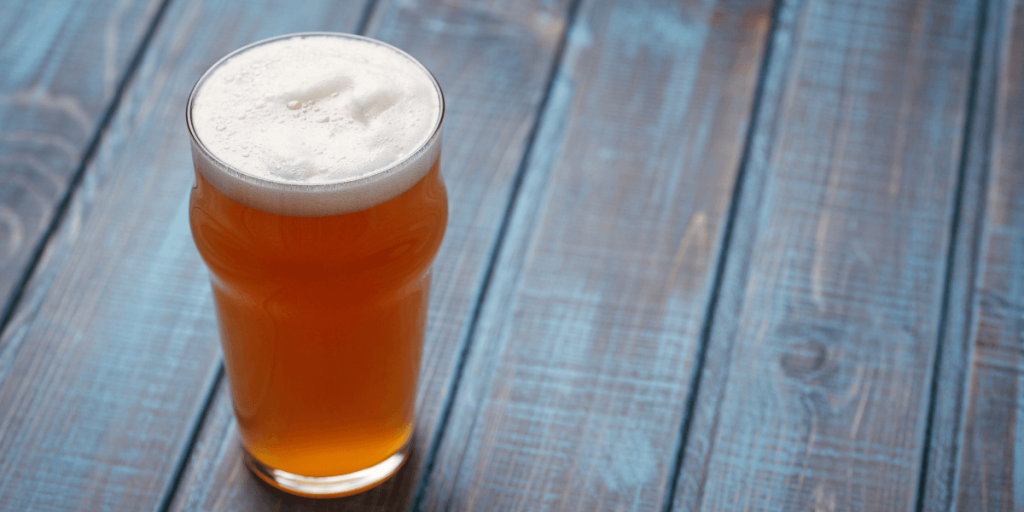
India Pale Ales, or IPAs, are some of the most celebrated beers in the craft beer world. Known for their bold flavors and adventurous spirit, IPAs have become a staple for beer drinkers who love complexity in every sip. From their roots as a British export beer to their modern evolution as a symbol of American brewing creativity, IPAs offer a wide range of flavors that keep fans coming back for more.
But what does an IPA taste like? The answer is as diverse as the IPA styles themselves because each brew delivers a unique experience.
Today, we’ll explore the defining characteristics of IPAs, the factors that shape their flavor, and the different styles that make this beer so exciting for craft enthusiasts and brewers alike.
Key Takeaways
- IPAs are renowned for their distinctive flavors, which can range from citrusy and tropical to earthy and floral.
- The taste of an IPA is influenced by its hop variety, brewing process, and freshness, resulting in a uniquely crafted beer.
- Exploring different IPA styles reveals endless possibilities, from smooth and juicy profiles to bold and high-intensity brews.
The Origin of IPA Flavors
IPAs have a history as complex as their taste profiles. Originating in 18th-century England, they were first brewed to survive long sea voyages to British colonies in India. Brewers increased the hop content—a natural preservative—to ensure their pale ales arrived fresh. This adjustment didn’t just preserve the beer; it introduced the bold bitterness and distinct hop flavor that would come to define IPAs.
These early pale ales evolved into what we now call English IPAs, known for their balanced bitterness and subtle earthy, floral notes. When the style reached popularity in America, craft brewers embraced it with enthusiasm, pushing the boundaries of flavor.
American brewers amplified the hop profile, creating more vibrant and diverse styles, from crisp West Coast IPAs to juicy, hazy varieties that have become modern icons.
Originally, only European hop varieties were available, dominated by a class of hops known as Noble hops, which are delicate, spicy, floral, herbal and earthy.
Today, most American IPAs are using varieties developed in the Pacific Northwest, mostly from the Yakima Valley. These modern varieties are bold compared to Noble hops. They can exhibit all of those flavors, but also bring in bright fruits from citrus to tropical to stone fruit.
American IPAs are also increasingly using hops from the Southern Hemisphere – Australia and New Zealand.
The role of hops in IPA taste
Hops are at the heart of what makes an IPA taste unique. These cone-shaped flowers contribute to the bitterness, aroma, and depth of flavor that define the style. Depending on the hop variety, IPAs can showcase flavors ranging from zesty citrus and tropical fruit to pine and earthiness. This versatility has allowed brewers to develop distinct styles that appeal to a wide range of palates.
Dry hopping, a method where hops are added later in the brewing process, has become a hallmark of modern IPAs. It enhances the beer’s aroma without adding excessive bitterness, resulting in vibrant, aromatic brews. The bold flavors and aromas created by hops are what draw beer drinkers to IPAs, making them a cornerstone of the craft beer movement.
IPAs have come a long way from their origins as a practical export beer. They now represent creativity and innovation, showcasing how a single ingredient—hops—can be used to craft an incredible variety of flavors.
Common Flavor Profiles in IPAs
IPAs are celebrated for their bold and dynamic flavor profiles and how they deliver a sensory experience unlike any other styles.
Bitterness
Bitterness is the hallmark of most IPAs, distinguishing them from other beer styles. The hop flavors in IPAs impart varying degrees of bitterness, which is measured in International Bitterness Units (IBUs). For beer enthusiasts, this bitterness isn’t off-putting; instead, it adds a satisfying edge that complements the beer’s other flavors.
Citrus and tropical notes
One of the most enticing features of IPAs is their bright, fruity flavor. Many IPAs showcase vibrant notes of citrus—like orange, grapefruit, and lemon—thanks to specific hop varieties. Beyond citrus, some hops deliver tropical fruit flavors such as pineapple, mango, and passionfruit, making these beers especially refreshing.
Pine and earthy undertones
In contrast to their fruity counterparts, some IPAs lean into piney and earthy flavors. These notes often come from classic hop varieties. Pine flavors can evoke the feeling of walking through a forest, while earthy undertones bring a grounded, rustic quality to the beer.
Factors Influencing IPA Taste
The flavor of an IPA is shaped not only by the hops themselves but also by the methods used to brew it and the freshness of the final product. These factors work together to create the diverse and bold flavor profiles that have made IPAs so iconic in the craft beer world.
Hop varieties
The specific hops chosen by brewers play a significant role in determining an IPA’s flavor profile. Certain hop varieties bring out vibrant citrus or tropical fruit notes, while others add earthy, piney, or floral undertones.
For example, classic English IPAs often use European hops that contribute herbal and woody flavors, while American-style IPAs use bold hop varieties from America for intense aromas and flavors, ranging from bright grapefruit to rich resin.
Brewers usually layer multiple hop varieties to achieve unique combinations of hop character.
Brewing techniques
The way an IPA is brewed directly impacts how its flavors come together. Techniques like “dry hopping,” which involves adding hops late in the brewing process, enhance the beer’s aroma without increasing its bitterness.
Bitterness is derived from whirlpool hop additions. This is the point in the brewing process where sugars and other compounds have been extracted from malts by boiling, and this ‘wort’ has been cooled to below boiling. Bittering hops are an important addition to almost all beer styles, because it is needed to balance sweetness.
Meanwhile, the brewing techniques behind Double IPAs often involve using extra hops and malt to create beers with higher alcohol by volume (ABV) and intensified flavors. These methods demonstrate how brewing innovation can push the boundaries of what an IPA tastes like.
Freshness
The freshness of an IPA is crucial in preserving the flavors the brewer intended. Over time, the vibrant hop character that defines these beers can fade, resulting in muted aromas and a less dynamic drinking experience. Fresh IPAs deliver their full range of flavors.
Brewers often emphasize enjoying their IPAs as close to the brewing date as possible, ensuring beer drinkers experience the bold, fresh flavors they worked hard to achieve.
Exploring IPA Substyles
IPAs are a diverse and dynamic beer category, with several substyles that cater to different flavor preferences.
West Coast IPA
The West Coast IPA is known for its assertive bitterness, clean finish, and crisp, hop-forward profile. Characterized by notes of pine, resin, and citrus, this style showcases the classic flavors that put hoppy beers on the map. The use of hops like Cascade or Chinook often contributes to its signature bitter taste and bright aroma.
These IPAs are typically clear, with a light straw to amber hue, making them visually distinct from their hazier counterparts. West Coast IPAs are all about balance and showcasing hops, with a moderate malt backbone to let the bitterness shine. They’re a favorite for those who enjoy bold and unapologetically hoppy brews.
Hazy IPA (and New England IPAs)
The Hazy IPA takes a different approach. This style, developed on the East Coast, focuses on juicy, fruit-forward flavors, with an emphasis on tropical fruit and citrus notes like mango, pineapple, and orange. The hazy, cloudy appearance is a result of specific brewing techniques, including the use of oats and wheat, which also lend a smooth mouthfeel.
Unlike the sharper bitterness of a West Coast IPA, Hazy IPAs have a softer, rounded profile that appeals to drinkers looking for a more approachable, refreshing experience. Their vibrant hop character is often enhanced by dry hopping, resulting in an aromatic and flavorful brew that pairs perfectly with casual sipping or outdoor adventures.
New England IPAs were developed in New England with a lot of similarities to Hazy IPAs, but with a goal of near-zero bitterness. These are often described as orange juice beers.
Double/Imperial IPA
For those who crave bolder flavors and a stronger beer, the Double IPA—sometimes called the Imperial IPA—is the go-to choice.
This style amplifies everything about a traditional IPA: more malt, extra hops, and higher alcohol by volume (ABV), often exceeding 7.5%. The result is a beer with intensified bitterness, rich hop flavors, and a slightly sweet, caramel-like malt backbone necessary to get to the strength.
Double IPAs are complex and layered, offering notes that range from floral and fruity to earthy and resinous. Their fuller body and higher alcohol content make them a favorite for seasoned IPA enthusiasts who appreciate a beer that commands attention.
Pairing IPAs with Food
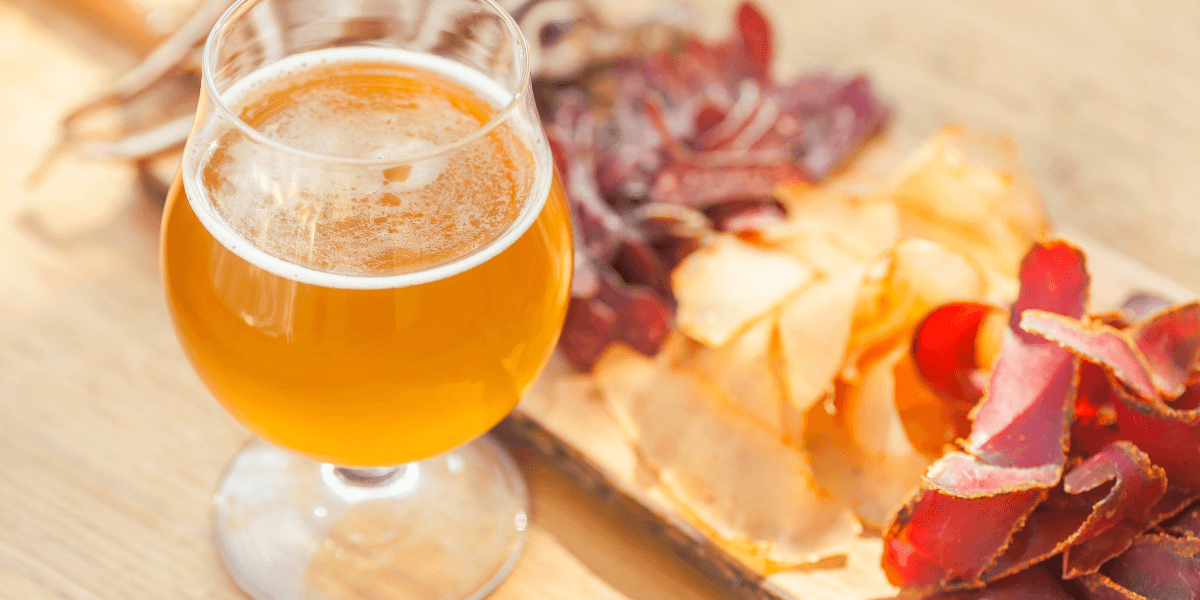
IPAs are excellent beers to pair with food. The wide range of IPA styles provides endless opportunities to enhance your meal, whether you’re complementing a dish or balancing its flavors.
Complementary flavors
Matching the flavor intensity of an IPA with the right dish can elevate both the beer and the food. For hoppy beers like a West Coast IPA, consider dishes with bold, savory flavors. Spicy foods, like buffalo wings or Thai curries, pair wonderfully as the hops can enhance the heat while the beer’s crisp bitterness cleanses the palate.
Juicy, fruit-forward Hazy IPAs work well with lighter, sweeter dishes such as grilled fish with tropical salsa or a fresh summer salad with citrus dressing. Their smooth mouthfeel and fruity flavor complement the natural sweetness of these dishes without overpowering them.
For rich and robust brews like Black IPAs or Double IPAs, try pairing with barbecue, smoked meats, or aged cheeses. The beer’s caramel malts and higher alcohol content balance the smoky and savory flavors beautifully.
Balancing bitterness
IPAs are known for their bitterness, but the right food pairing can make this a highlight rather than a challenge. To soften the bitterness of a session IPA or traditional India Pale Ale, serve it alongside fatty dishes like burgers, fried chicken, or creamy pasta. The fats in these foods mellow the bitterness while allowing the beer’s other flavors to shine.
Sweet or caramelized dishes are another great match. Think roasted vegetables, glazed pork, or desserts with toffee or caramel. These flavors contrast with the hops, creating a balanced and enjoyable pairing.
For spicier IPAs, such as those brewed with extra hops, dishes with a touch of sweetness or tang—like barbecue or citrus-marinated chicken—can help temper the beer’s intensity and bring out its subtler notes.
Acquiring a Taste for IPAs
For those new to IPA, the bold flavors, hoppy bitterness, and unique aromas can feel a bit overwhelming at first. However, developing an appreciation for India Pale Ales is all about taking your time and exploring the diverse styles this category has to offer. With the right approach, you’ll learn to enjoy the complexity and craftsmanship behind each glass.
Developing the palate
If you’re new to IPAs, start with lighter, more approachable styles. These beers retain the hop flavor of a traditional IPA but with a milder bitterness and lower alcohol by volume (ABV). They’re an excellent gateway for easing into hoppier options.
As you explore, try different substyles such as Hazy IPAs for their juicy, fruit-forward profiles or Black IPAs for a blend of roasted malts and hops. By sampling a variety, you’ll begin to recognize the unique characteristics of each beer and develop preferences for certain flavors.
Tasting tips
To fully appreciate an IPA’s flavor, take your time with each sip. Start by observing the beer’s color and clarity, as these can hint at its style. Swirl the beer gently to release its aroma, then take a deep inhale to pick up notes of hops, fruit, or malt.
When sipping, let the beer coat your palate. Notice the initial flavors, the bitterness on the mid-palate, and the finish. For instance, an IPA might have a crisp piney start, followed by hints of citrus and a smooth finish. Pay attention to how the flavors evolve with each sip.
It can also help to pair your IPA with food, as mentioned earlier. The right pairing can make the beer’s flavors more approachable and balanced. Over time, your palate will adjust, and you’ll start to appreciate the intricate layers of IPA.
Conclusion
IPAs are a fascinating and diverse category of beer, where each style offers a unique experience for beer drinkers.
The journey to appreciating India Pale Ales is all about exploration. By learning about the styles, factors influencing their taste, and how to pair them with food, you can discover the flavors that resonate with you. Whether you’re new to IPAs or a seasoned fan, there’s always something new to uncover in this dynamic beer category.
Ready to Find Your Perfect IPA?
At New Trail Brewing Co., we craft IPAs designed to elevate your journey—whether you’re hitting the trails or relaxing at home. From bold and hoppy to juicy and refreshing, there’s a brew in our lineup waiting to be discovered.
Stop by our Tasting Room, explore our beer finder online, or grab a pack of New Trail IPAs for your next adventure. Let’s raise a glass to bold flavors and new trails ahead!
Frequently Asked Questions
How would you describe the taste of an IPA?
IPAs are known for their bold, hop-forward flavors, often featuring bitterness, citrus, tropical fruit, or piney notes, depending on the style.
Why do Americans like IPA so much?
Americans love IPAs for their creativity and variety, with flavors ranging from juicy and fruity to crisp and bitter, offering something for every palate.
How is an IPA different from beer?
An IPA is a type of beer, but it stands out for its higher hop content, which gives it a distinctive flavor and aroma compared to other beers.
Is IPA bitter or sweet?
IPAs are typically bitter due to the hops, though some styles, like Hazy IPAs, balance the bitterness with sweeter, fruit-forward notes.
Recent Posts
-
 How Beer Trends Influence Williamsport Breweries
 -
 How a Williamsport Brewery Creates Consistent Flavor Profiles
 -
 What Makes Small-Batch Brewing Special at a Williamsport Brewery?
 -
 Common Beer Myths Debunked by a Williamsport Brewery
 -
 The Difference Between a Brewery, Brewpub, and Taproom in Williamsport

