What Makes IPA Hazy?
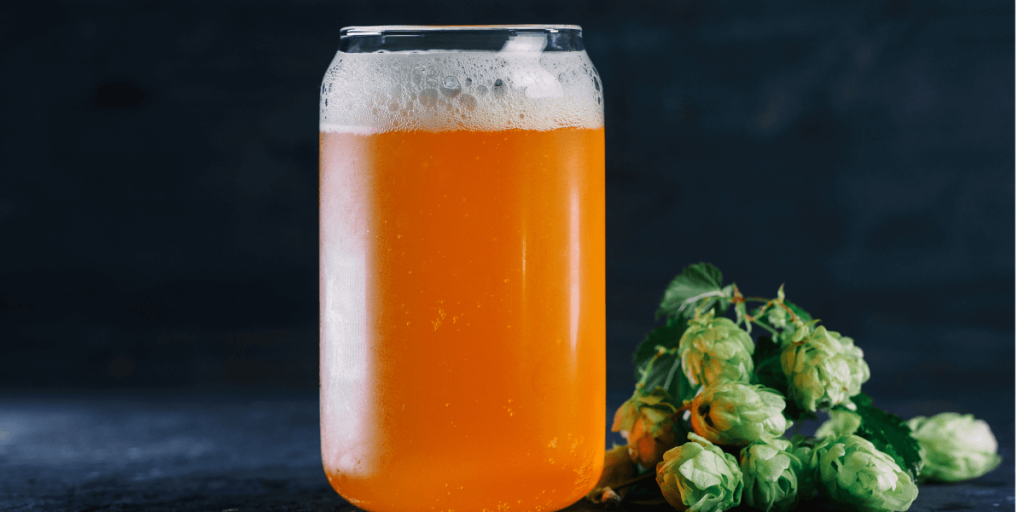
Hazy IPAs have taken the craft beer world by storm, quickly becoming a favorite among beer lovers, including those in Pennsylvania. But what makes IPA hazy?
Unlike traditional IPAs, hazy IPAs are visually distinct with their cloudy, opaque appearance, which is a result of specific brewing techniques and ingredients. Flavor-wise, they stand out for their juicy, fruity notes and softer mouthfeel, with a lower perceived bitterness compared to their West Coast counterparts.
This surge in popularity, often referred to as the “haze craze,” has beer enthusiasts across the country, including fans of Pennsylvania beer, seeking out these flavorful brews. The haze not only gives the beer its signature look but also enhances the hop flavor and aroma, making hazy IPAs a truly unique and irresistible style.
Key Takeaways
- Hazy IPAs are defined by their cloudy appearance and juicy, fruity flavor profile created through dry hopping and the use of wheat and oats.
- The haze in hazy IPAs comes from unfiltered ingredients and specific brewing techniques that leave proteins and hop particles suspended in the beer.
- Hazy IPAs offer a softer mouthfeel and lower bitterness compared to traditional IPAs, making them popular among a wide range of beer enthusiasts.
History and Origins of Hazy IPAs
The story of hazy IPAs begins with John Kimmich, the innovative brewer behind The Alchemist in Vermont. In 2003, Kimmich created Heady Topper, a hazy IPA that defied traditional expectations of what an India Pale Ale should look and taste like.
Unlike the clear, bitter West Coast IPAs, Heady Topper featured a cloudy appearance, soft mouthfeel, and intense hop aroma with notes of tropical fruits, thanks to the use of dry hopping and specific yeast strains. This new approach to brewing quickly gained a cult following among beer drinkers.
As word spread about this groundbreaking Vermont brewery, other craft brewers began experimenting with the style, leading to the emergence of the New England IPA (NEIPA). These hazy beers became known for their juicy hop character, lower perceived bitterness, and smooth malted barley profile, setting them apart from the more traditional West Coast style.
The popularity of hazy IPAs quickly expanded beyond New England, with breweries across the U.S., from San Diego to the East Coast, embracing the trend. This movement, often fueled by the desire to create beers with more aroma and flavor rather than just bitterness, led to the “haze craze” that continues to captivate beer lovers today.
The style has since evolved into a mainstream craft beer phenomenon, with hazy IPAs now being a staple in taprooms and bottle shops across the country.
Ingredients Contributing to the Haze
The signature cloudiness of a hazy IPA comes from a combination of specific ingredients that play a crucial role in creating this unique beer style.
One of the primary contributors to the haze is the use of wheat, oats, and barley. These malted grains and unmalted wheat add proteins and other compounds to the beer, which remain suspended during the brewing process, giving hazy beers their characteristic opacity.
Yeast strains also play a significant role in the haziness of these beers. Unlike in West Coast IPAs, where clarity is often achieved through filtration, the yeast used in hazy IPAs is left unfiltered.
Some yeast strains are chosen specifically for their tendency to stay suspended in the beer, which contributes not only to the cloudiness but also to the fruity aromas and aromatic compounds that define the style.
Another key technique is dry hopping, where hops are added late in the brewing process, often after fermentation has begun or even after it has finished. This method allows hop oils to be more prominent in the final product, enhancing both the hop flavor and aroma.
The combination of dry hopping and the other ingredients creates a finished beer that’s not only visually distinctive but also packed with rich, juicy flavors that set hazy IPAs apart from other beer styles.
How Hazy IPAs Are Made
Creating a hazy IPA involves several specific brewing techniques that differentiate it from traditional IPAs like the West Coast IPA. Here’s a step-by-step overview of how these hazy beers are crafted:
Choosing the right grains
The brewing process begins with selecting grains that contribute to the beer’s haziness. Wheat, flaked oats, and malted barley are commonly used in hazy IPAs because they release proteins and other compounds during the mash that remain suspended in the beer, contributing to its cloudy appearance.
Brewing and mashing
After the grains are selected, they are mashed to extract fermentable sugars. During this stage, the brewers ensure that the wort, the liquid extracted from the mashing process, retains a significant amount of proteins and complex sugars. These elements are essential for the beer’s satisfying mouthfeel and hazy look.
Yeast selection and fermentation
A key factor in how hazy IPAs are made is the selection of yeast strains. Brewers often choose yeast that is less flocculant, meaning it doesn’t settle out of the beer as easily which contributes to the persistent haze. During fermentation, this yeast remains active and helps develop the beer’s characteristic fruity flavors.
Dry hopping and biotransformation
One of the most important steps in brewing a hazy IPA is dry hopping, where large amounts of hops are added late in the brewing process, often after the beer has already begun fermenting. This process enhances hop flavor and aroma without adding significant hop bitterness.
Additionally, a process known as biotransformation occurs when the active yeast interacts with the hop oils, transforming the aromatic compounds into new, complex flavors and intensifying the haze.
Skipping filtration
Unlike traditional IPAs, which are often filtered to achieve a crystal clear appearance, hazy IPAs skip this step. The absence of filtration allows the proteins, yeast, and hop particles to remain in suspension, resulting in the beer’s signature cloudiness.
This unfiltered approach not only affects the beer’s appearance but also enhances its flavor, giving it a fuller body and a more pronounced hop presence.
Myths and Misconceptions About Hazy IPAs
As hazy IPAs have risen in popularity, several myths and misconceptions have emerged about this unique beer style. Let’s address some of the most common ones.
Myth 1: Hazy IPAs are poorly made
One of the most pervasive myths is that hazy beers are simply unrefined or poorly made IPAs. Some people mistakenly believe that the haze is a sign of an unfinished product.
In reality, the haze in these unfiltered beers is intentional. The processes they go through are meticulously controlled by brewers to create the desired flavor, making hazy IPAs a testament to innovative brewing, not a lack of quality.
Myth 2: All hazy IPAs taste the same
Another common misconception is that all hazy IPAs have a uniform taste. While they do share certain characteristics—like a juicy, fruity profile and lower bitterness—there is actually a wide range of flavors within this style.
Different ingredients and brewing methods can result in varying notes, giving each hazy IPA its own unique identity.
Myth 3: Hazy IPAs can be aged like other beers
A critical point to understand about hazy IPAs is the importance of freshness. Unlike some other beer styles that can improve with age, hazy IPAs are best enjoyed fresh.
The delicate flavors and aromas that make these IPAs so appealing tend to diminish over time, and the haze itself can start to settle or break down, affecting both the appearance and taste. Brewers and beer lovers alike emphasize drinking hazy IPAs soon after they are brewed to fully experience their vibrant flavors.
Embracing the Haze
At New Trail Brewing Co., we’re passionate about pushing the boundaries of what hazy IPAs can offer. We invite you to visit our Tasting Room and explore our latest creations, each one crafted to highlight the diverse flavors and experiences that make hazy IPAs so special.
Whether you’re a seasoned IPA enthusiast or new to the haze craze, there’s always something fresh and exciting waiting for you at New Trail.
Come taste the difference and find your new favorite hazy beer with us! Cheers!
Frequently Asked Questions
What causes a hazy IPA to be hazy?
A hazy IPA gets its cloudiness from the use of unfiltered ingredients like wheat, oats, and specific yeast strains that remain suspended in the beer, combined with techniques like dry hopping.
What is the difference between a hazy IPA and an IPA?
The main difference between a hazy IPA and a standard IPA is the visual appearance and mouthfeel; hazy IPAs are intentionally cloudy with a softer, juicier flavor profile, while traditional IPAs are typically clearer and more bitter.
What ingredient makes a beer hazy?
Ingredients like wheat, oats, and specific yeast strains are key to creating the haze in hazy beers, as they contribute proteins and other compounds that stay suspended in the beer.
What makes a hazy IPA juicy?
The juiciness in a hazy IPA comes from the combination of dry hopping with hops that impart fruity flavors, like passion fruit and citrus, and the interaction of these hops with yeast during fermentation.
Recent Posts
-
 How Beer Trends Influence Williamsport Breweries
 -
 How a Williamsport Brewery Creates Consistent Flavor Profiles
 -
 What Makes Small-Batch Brewing Special at a Williamsport Brewery?
 -
 Common Beer Myths Debunked by a Williamsport Brewery
 -
 The Difference Between a Brewery, Brewpub, and Taproom in Williamsport

