What’s the Difference Between an IPA and a Lager?

Crack open a cold one, and you’ll find yourself in one of two camps—team ale or team lager. But how are ales and lager different? More specifically, what’s the real difference between IPA and lager? Some say it’s the hops; others point to the brewing process, and others say it’s just the taste.
Let’s put the debate to rest and look at how these two styles are made, their flavor profiles, and what makes each unique.
Key Takeaways
- IPAs use top-fermenting yeast at warmer temperatures, creating bold hop flavors, while lagers ferment at cooler temperatures with bottom-fermenting yeast for a cleaner taste.
- IPAs are a style inside the ale category. Lager is a category itself, with many styles inside of it.
- Lagers tend to have lower bitterness and alcohol content compared to IPAs, which are often more hop-forward and higher in ABV.
- Appearance and mouthfeel differ significantly, with IPAs ranging from clear to hazy and full-bodied, while lagers are typically bright, highly carbonated, and lighter on the palate.
Brewing Processes: A Tale of Two Techniques
The brewing process is what truly sets ales and lagers apart. While both start with malt, hops, water, and yeast, the way they ferment and develop their flavor profiles is what creates the main difference between them.
Ales
Ales, including pale ales and India Pale Ales (IPAs), are brewed using top-fermenting yeast (Saccharomyces cerevisiae) at warmer temperatures, usually between 60-75°F. This allows the yeast to rise to the top during fermentation, creating bold, complex hop flavors and a more robust body.
Because of this warmer fermentation, ales tend to have fruity, spicy, or estery notes, depending on the beer style. European brewers and modern craft breweries alike use this technique to produce everything from highly hopped modern IPAs to smooth, malt-forward stouts.
India Pale Ales
Within the ale category, IPAs stand out for their intense hop bitterness and aromatic flavor. Originally developed by British brewers in the 18th century, IPAs were highly hopped to help preserve them on long voyages to India. The extra hops not only acted as a preservative but also gave these beers their signature bitter taste.
Today, American IPAs take that tradition even further, using bold, citrusy, piney, or tropical hop varieties to push international bitterness unit (IBU) levels to new heights. While some IPAs are smooth and balanced, others are aggressively bitter and hop-forward, making them a favorite among beer lovers who enjoy a hoppy punch.
Lagers
Unlike ales, lagers use bottom-fermenting yeast (Saccharomyces pastorianus) at cooler temperatures, typically between 45-55°F. This yeast ferments more slowly and settles at the bottom of the fermenter, producing a cleaner, crisper taste with fewer fruity esters.
Because they take longer to brew, lagers tend to have a balanced profile that highlights malt and subtle hops rather than bold, bitter flavors. Popular lager styles include pilsners, bocks, and Helles lagers, all known for their refreshing, smooth character.
Up next, let’s look at how these two styles compare in flavor profiles.
Flavor Profiles: Hops vs. Malt
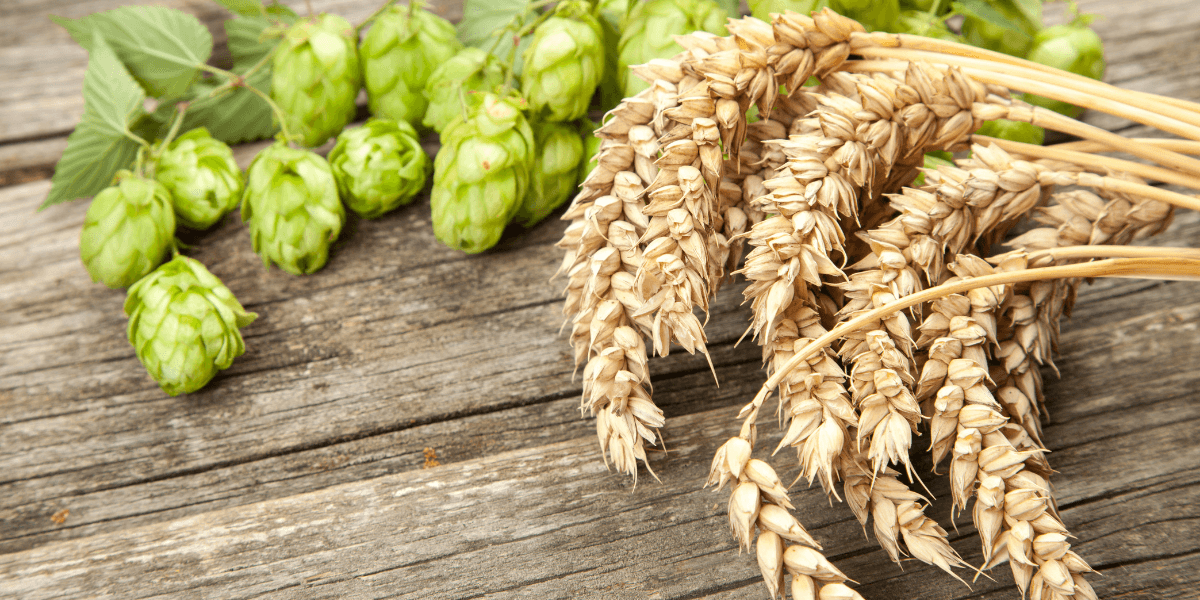
The way a beer tastes comes down to a balance between hops, malt, and fermentation. While both lagers and IPAs share the same core ingredients, their brewing methods create completely different flavor profiles.
Hop intensity in IPAs: Bold, bitter, and aromatic
One sip of an IPA and the hoppy punch is undeniable. IPAs are known for their bold hop flavors, which can range from bright citrus and tropical fruit to piney bitterness. The use of extra hops during brewing gives these beers their distinct taste and aroma, often pushing the alcohol content higher as well.
The exact hop character depends on the style:
- West Coast IPAs lean toward sharp bitterness and pine.
- New England IPAs (NEIPAs) are juicy, hazy, and packed with tropical fruit flavors.
- Double IPAs (DIPAs) crank up the hops and ABV for an even bolder experience.
Because of their intense flavors, IPAs are often paired with fried foods or grilled meats, as the bitterness helps cut through rich and spicy dishes.
Malt balance in lagers: Smooth and crisp
Lagers, on the other hand, put malt in the spotlight. With lager yeast fermenting at cooler temperatures, these beers develop a clean, balanced profile without overpowering bitterness.
Different styles of lagers showcase malt in various ways:
- Pilsners have a crisp, slightly floral hop note while remaining malt-forward.
- Helles Lagers are soft, golden, and mildly sweet.
- Dunkels and Bocks lean into roasted malt flavors, giving them a richer body.
Since lagers are typically brewed for a balanced flavor, they pair well with lighter foods like grilled chicken, seafood, and mild cheeses.
Up next, let’s look at how the alcohol content and bitterness levels of IPAs and lagers compare.
Alcohol Content and Bitterness: Measuring the Impact
Beyond flavor profiles, one of the biggest differences between lagers and IPAs comes down to alcohol content and bitterness. These factors shape how a beer feels and tastes, influencing everything from food pairings to drinkability.
ABV (Alcohol by volume): IPAs pack more punch
When it comes to alcohol content, IPAs tend to sit on the higher end. The extra fermentable sugars contribute to a stronger brew, with most IPAs landing between 5% and 7.5% ABV—sometimes even higher in styles like Double IPAs.
On the other hand, lagers are typically brewed with a lower ABV, often ranging from 4% to 5.5%. Some lager styles are brewed to end up at a much higher ABV.
IBU (International Bitterness Units): Measuring the hops
Bitterness is where IPAs and lagers really stand apart. The IBU scale measures how bitter a beer is, with IPAs often reaching 40 to 70+ IBUs due to their hop-heavy recipes. Some West Coast IPAs and Double IPAs can even push bitterness levels beyond 100 IBUs.
Lagers, especially pilsners and lighter styles, have much lower bitterness, usually around 10 to 30 IBUs. Since lager yeast works differently from a top-fermenting ale yeast, the result is a smooth beer with subtle malt sweetness.
However, some modern brewers have chosen to sometimes blur the lines, and brew styles like cold IPAs or India Pale Lagers, which borrow hopping schedules from the IPA world.
Appearance and Mouthfeel: Visual and Sensory Differences
The way a beer looks and feels plays a big role in how we experience it. From the color in the glass to the texture on the tongue, lagers and IPAs stand apart in appearance and mouthfeel, too.
Color and clarity: The visual difference
Lagers are typically brewed to be bright and clear, with shades ranging from pale gold to deep amber, depending on the style. A few styles are even dark ruby or black. The fermentation process at cooler temperatures allows particles to settle, producing a beer that looks bright and polished.
IPAs, on the other hand, vary widely in appearance. West Coast IPAs tend to have a golden-amber hue with some clarity, while New England IPAs (NEIPAs) are intentionally hazy, often looking opaque or even juice-like. This haze comes from the brewing methods, specifically the use of dry-hopping and certain proteins that remain suspended in the beer.
Texture and carbonation: The mouthfeel experience
Mouthfeel, or how a beer feels when you drink it, is another difference. Lagers are known for their light body and high carbonation, making them crisp and easy to drink. Styles like pilsners emphasize this sharp effervescence, creating a lively sensation with every sip.
IPAs have a fuller body, sometimes feeling almost creamy, especially in hazy New England IPAs. Their carbonation levels can vary, but they tend to have a softer, more rounded texture compared to the sharper bite of lagers. Stouts and some hoppy ales can feel heavier due to the presence of proteins and hops.
Conclusion
From the yeast that drives fermentation to the way each sip hits the palate, IPAs and lagers offer completely different but wonderful drinking experiences.
Find Your Perfect Brew
Still debating between lagers and IPAs? The best way to decide is to drink both! At New Trail Brewing Co., we craft beers that showcase the best of both worlds. Whether you’re after a hop-forward IPA or a finely producing clean lager, we’ve got a pour waiting for you.
Explore our lineup and find your next favorite brew.
Frequently Asked Questions
Is an IPA stronger than a lager?
IPAs generally have a higher ABV than lagers, typically ranging from 5% to 7.5% or more, while most lagers sit between 4% and 5.5%. However, strength varies depending on the specific beer style.
How is IPA different from beer?
IPAs are a type of ale which falls under the broader category of beer. The main differences between an IPA and other beer styles come from extra hops, stronger bitterness, and a higher ABV compared to many traditional beers.
What makes a beer a lager?
A lager is defined by its use of bottom-fermenting yeast (Saccharomyces pastorianus) and fermentation at cooler temperatures, producing a smooth, crisp profile with less emphasis on hop intensity.
Recent Posts
-
 How Beer Trends Influence Williamsport Breweries
 -
 How a Williamsport Brewery Creates Consistent Flavor Profiles
 -
 What Makes Small-Batch Brewing Special at a Williamsport Brewery?
 -
 Common Beer Myths Debunked by a Williamsport Brewery
 -
 The Difference Between a Brewery, Brewpub, and Taproom in Williamsport

