What’s the Difference Between IPA and Beer?

What’s the difference between IPA and beer? Well, all IPAs are beer, but not all beers are IPAs! As one of the most popular PA beer styles, IPA (India Pale Ale) stands out with its bold hops and higher alcohol content.
In this blog, we’ll break down the key differences between IPAs and other beer styles to help you explore what sets IPA apart and why it’s such an adventure for your taste buds. Get ready to dive into the hoppiest side of beer!
Key Takeaways
- IPAs stand out for their bold hop bitterness and higher alcohol content compared to other beer styles like lagers or amber ales.
- The beer world offers a wide variety of styles, with pale ales using hops for flavor while others, like lagers, rely more on malt for sweetness.
- Substyles of IPA, including Double and Triple IPA, feature even stronger hop flavors and higher ABV, providing intense, adventurous drinking experiences.
What Is Beer?
Beer, one of the world’s oldest beverages, has evolved into a wide variety of styles over the centuries. It is made by fermenting grains like barley with four essential ingredients: water, malt, hops, and yeast. These ingredients create the foundation for all beer styles.
The beer world is divided into two major categories: ales and lagers. Ales are fermented at warmer temperatures, creating more fruity and complex flavors, while lagers ferment at cooler temperatures, producing clean and crisp flavors.
The IPA (India Pale Ale), as the name suggests, is part of the ale family and comes with its own distinct characteristics.
The Origins and Rise of the India Pale Ales
IPAs may be a subcategory of ales, but their origins are rooted in history. In the 18th century, British brewers began adding extra hops to their beers to preserve them during the long voyages to India. These extra hops not only acted as a preservative but also gave the beer a bitter and bold flavor, which became the hallmark of what we know today as the India Pale Ale.
Over time, IPAs have evolved to include higher levels of hoppiness and alcohol content (ABV), resulting in stronger, bolder beers. Thanks to the modern craft beer movement, IPAs have surged in global popularity, becoming a go-to choice for adventurous beer drinkers.
Flavor Profiles – IPA vs. Other Beers
When it comes to flavor, IPAs stand out with their bold, hoppy character. The heavy use of hops in IPAs creates flavors ranging from citrusy and fruity to piney and floral. This contrasts sharply with the smoother, maltier flavors of more traditional beers like lagers and pilsners, which tend to be lighter and more subtle in taste.
A key difference is that while IPAs rely heavily on hops for their flavor, beers like amber ales and lagers use more malt, creating a sweeter, more balanced profile. The malt in these beers adds a roundness that tempers bitterness, making them more approachable for those who prefer milder tastes.
Key Differences Between IPA and Other Beers
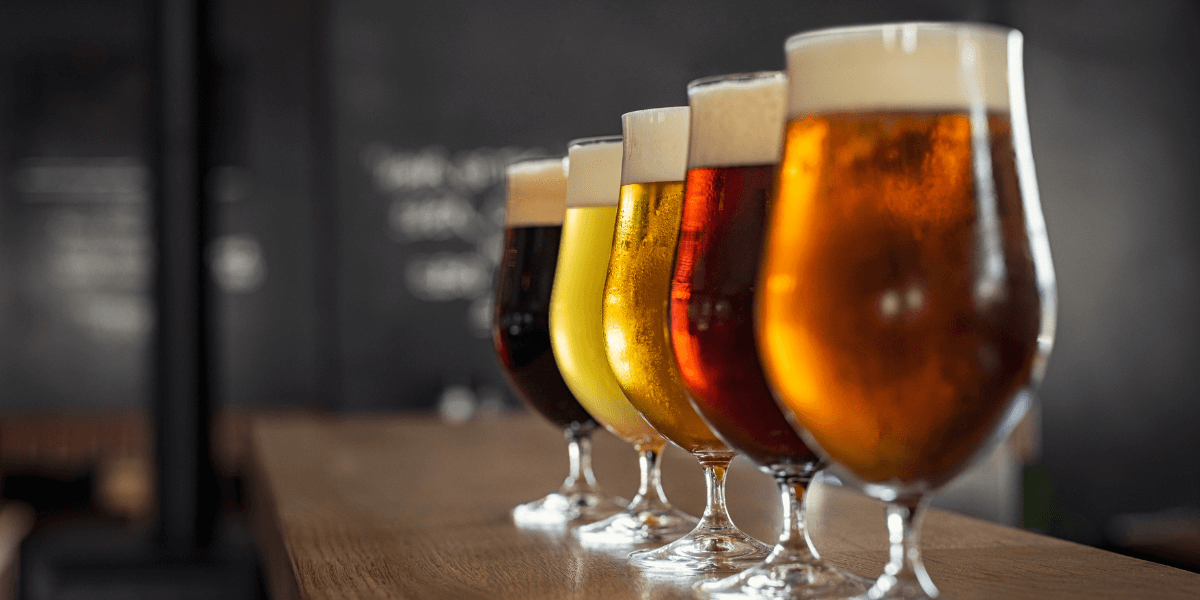 As we dive deeper into IPAs, it becomes clear that they differ from traditional beers in more ways than just flavor.
Hop intensity
IPAs use significantly more hops than other beer styles, resulting in a more aromatic and bitter taste. The intense hop usage is what gives IPAs their strong flavors, often leaving a lasting impression on the palate. Hop inclusion volumes vary from style to style, country of origin, and even region of the county, based on consumer preferences.
Alcohol by volume (ABV)
Another major difference is the ABV. IPAs generally have a higher alcohol content, which often range from 5% to 7.5% or even higher, compared to lighter beers like lagers and pilsners, which typically have a lower ABV. This makes IPAs a stronger, more robust choice.
Bitterness (IBU)
The International Bitterness Unit (IBU) scale measures the bitterness of beer. IPAs typically rank higher on this scale due to their hop-forward brewing process, while beers like pilsners and amber ales score lower, offering a smoother, less bitter taste.
Substyles of the India Pale Ale vs. Other Beer Types
IPAs come in many varieties, allowing beer lovers to explore different hop-forward experiences. The most popular styles in the India Pale Ale category include the:
Hazy or New England IPA: Known for juicy, fruit-forward flavors and a cloudy appearance, these are less bitter but full of hop aroma.
Double IPA (Imperial IPA): A stronger, more intense version with a higher ABV and even more hops, perfect for those seeking bold flavors.
Triple IPA (Imperial IPA): A Triple IPA pushes the boundaries of hop intensity and alcohol content even further than a Double IPA. With an ABV often exceeding 10%, Triple IPAs offer a bold, extreme flavor profile.
These beers feature higher levels of bitterness due to the amplified use of hops, yet often maintain a balancing malt sweetness. The result is a complex, potent brew that’s ideal for those who seek intense hop-forward beers and a high-octane craft beer experience.
Session IPA: A lower ABV version that retains the signature hop flavor, making it a great option for those who want to enjoy more without the high alcohol content.
In comparison, traditional beer styles like pilsners or stouts offer a completely different experience. Pilsners are light, crisp, and refreshing with lower bitterness, while stouts are dark, rich, and malt-forward, often with flavors of coffee or chocolate.
Worth mentioning is the American Pale Ale, which was developed right here in the U.S. in the 1980s. This type of ale is known for its balance of hop bitterness and malt. Lighter than IPAs, American pale ales have lower ABVs and hop intensity, offering a smoother drinking experience while still delivering hop-forward flavors.
Which Beer Should You Choose?
Ultimately, choosing between an IPA and other beer styles depends on your personal taste preferences and the occasion. If you’re a fan of bold, complex hop flavors, an IPA will take your taste buds on an adventure. But if you prefer something crisp, smooth, and refreshing, a lager or pilsner might be more up your alley.
The occasion also plays a role. For a laid-back evening or casual hangout, a lighter beer like a pilsner is perfect. But for beer enthusiasts or craft beer lovers looking for something unique, an IPA—whether it’s a Hazy IPA or Double IPA—provides a more adventurous drinking experience.
Conclusion
While IPAs are part of the broader beer family, their distinct use of hops, higher bitterness levels, and unique flavor profiles make them stand out. If you’re drawn to the hop-forward punch of an IPA or prefer the smoother taste of traditional beer styles, the variety within the craft beer world offers something for every taste.
Explore different styles, experiment with flavors, and discover what you enjoy most.
Come Visit Our Tasting Room!
Sip on the best of New Trail Brewing Co. in our Williamsport, PA Tasting Room! We’re craft brewers who enjoy adventure and the great outdoors and we channel that spirit into every brew we create.
From IPA beer to smooth lager brews, we’ve got a cold one waiting for you. Come by, enjoy a drink, and experience our latest brews right from the source. Cheers!
Plan your visit now!
Frequently Asked Questions
How is IPA different from beer?
IPAs are a substyle of beer, known for their high hop bitterness and bold flavors, while “beer” is the general category encompassing all types, like lagers, stouts, and pilsners. IPAs stand out due to their hoppy and sometimes fruity or piney flavor, which contrasts with the smoother, malt-forward taste of other beer styles.
Is IPA stronger than beer?
IPAs typically have a higher ABV (alcohol by volume), ranging from 5% to 7.5%, and sometimes even higher for styles like Double IPA. Traditional beers, such as lagers, usually have lower ABV levels, making them lighter in alcohol content.
Is IPA a healthier beer?
The healthiness of a beer depends on individual nutritional needs. IPAs are not inherently healthier than other beers but often contain more antioxidants due to the high hop content. However, their higher alcohol content can lead to more calories.
In moderation, IPAs can offer similar health benefits to other beer styles, such as supporting cardiovascular health.
Does IPA taste like beer?
IPAs have a unique flavor profile, with a focus on hop bitterness, often accompanied by citrus, pine, or floral notes. In comparison, other beers like lagers or amber ales are more malt-forward, offering a smoother, less bitter taste, making IPAs more intense and robust in flavor.
Recent Posts
-
 How Beer Trends Influence Williamsport Breweries
 -
 How a Williamsport Brewery Creates Consistent Flavor Profiles
 -
 What Makes Small-Batch Brewing Special at a Williamsport Brewery?
 -
 Common Beer Myths Debunked by a Williamsport Brewery
 -
 The Difference Between a Brewery, Brewpub, and Taproom in Williamsport

