Where Did IPAs Originate? The True Story Behind India Pale Ale
Most conversations about IPA origins start and end with the same oversimplified answer: brewers added more hops so beer could survive the long trip from England to India. That story sounds tidy, but it barely scratches the surface of where IPAs originated and why the style took hold in the first place.
The real story is messier and more interesting. IPA wasn’t born from a single recipe tweak or brewing breakthrough. It was shaped by shipping routes, financial arrangements, competitive pressure between brewers, and smart branding that traveled just as well as the beer itself.
Long before IPA became a staple at every craft brewery, it was already a product of logistics, business decisions, and rivalry.
Key Takeaways
- IPA didn’t start as a trend—it emerged from trade, logistics, and changing tastes rather than a single brewing breakthrough.
- The journey from England to India shaped how pale, hop-forward beers were brewed, named, and marketed.
- Modern craft beer IPAs are descendants of the original idea, built with new hops and techniques, but the same focus on bold flavor.
Before IPA, There Was Pale Ale
Picture Britain in the 18th century. Maltsters were getting better at producing pale malt, brewers were dialing in cleaner fermentations, and pale ale was starting to pull attention away from heavier dark beer styles like porter. These beers weren’t flashy, but they were dependable, balanced, and increasingly popular with beer drinkers across England.
Alongside everyday pale ales, brewers were also making strong “keeping” beers designed to age. One of the best-known examples was October ale—a robust, higher-alcohol beer brewed in the fall and meant to mature for months.
These beers proved something important: beer could be brewed for durability, not just immediate consumption. More malt, more alcohol, and thoughtful hopping gave them staying power.
That context matters. India pale ale didn’t appear fully formed, and it certainly wasn’t an accident. It evolved from pale ale prepared with longevity in mind, essentially a strongly hopped pale ale built on techniques brewers were already using. Long before modern craft brewers, west coast IPA, or double IPA existed, English brewers were already solving the problem of how to make beer last.
IPA wasn’t a break from tradition but a natural next step in a brewing culture that already understood how time, hops, and alcohol could shape beer styles meant to travel, age, and hold their character.
The Real Launchpad: British India, the East Indiamen, and Beer as Cargo
Shipping beer from England to East India was never simple. The journey took months, crossed the equator, and exposed cargo to heat, motion, and unpredictable storage conditions.
Beer wasn’t traveling in climate-controlled containers; it was packed alongside textiles, spices, and supplies on East Indiamen run by the East India Company and private merchants serving the far edges of the British Empire. Anything that didn’t hold up was a loss.
Export beer was a business move first
This is where the story shifts. Exporting IPA beer to India wasn’t initially about inventing a new beer style—it was about solving a supply problem for British soldiers, administrators, and civilians living abroad. The Indian market wanted familiar beer, and merchants wanted a product that would survive the trip and sell reliably once it arrived.
That created an opportunity. Beers brewed with higher alcohol content, firm hopping, and a stable flavor profile performed better over time, making them ideal for long-distance trade. Brewers who could deliver consistency gained favor, contracts, and influence. The rise of East India Pale Ale was less about romantic brewing legend and more about logistics, demand, and competition.
Long before the craft beer revolution and today’s hop-forward styles, from American IPA to New England IPA, beer bound for India proved that brewing and business were inseparable. IPA didn’t just travel well; it made financial sense, and that’s what allowed it to spread.
The Hodgson Era: Not the Inventor, the Early Winner
When people look for a single person who “created” IPA, George Hodgson often gets the credit. The reality is more nuanced. Hodgson didn’t invent IPA out of thin air—he understood how to move beer through a complicated system better than almost anyone else at the time.
Operating out of George Hodgson’s Bow Brewery in East London, Hodgson had a strategic advantage. His brewery sat near the docks, making it easy for ship captains to load Hodgson’s beer just before departure. More importantly, he offered generous credit terms. Captains could take the beer, sell it in India, and pay later—an arrangement that made Hodgson the preferred supplier almost by default.
This success wasn’t about a secret Hodgson’s recipe or radically different brewing process. It was about relationships. Hodgson knew the captains, understood the merchants, and catered to buyers who wanted a reliable export style that would arrive intact. His beers, essentially well-made, firmly hopped pale ales, fit the bill, and that consistency built trust.
For years, Hodgson dominated the trade not because his beer was revolutionary, but because his business model was. In the fascinating history of IPA, that early advantage shows how logistics and personal connections mattered just as much as hops, malt, or the skill of any head brewer.
So… Was It “More Hops for the Voyage”? Yes, But Also No
The short answer is yes—extra hops helped. Higher hopping rates improved stability, slowed spoilage, and helped beer arrive in better shape after months at sea. That part of the story is true.
Where the myth falls apart is the idea that one brewer, one recipe, or one moment suddenly created IPA. Plenty of other beers were shipped long distances, and many of them held up just fine without being radically different.
The more accurate origin story is about convergence. Trade routes between England and India created demand. Drinkers in India developed a preference for pale, dry, firmly hopped beers over darker styles.
Brewers responded by refining beers they were already making—adjusting hop levels, alcohol, and balance to suit the journey and the market. Over time, that combination of logistics, taste, and brewing practice took shape as what we now call India ale.
IPA wasn’t born because someone added hops and solved everything overnight. It emerged because business realities, consumer preferences, and brewing know-how aligned. That’s why IPA has never been a single fixed thing, and why today’s popular beer styles, from English IPAs to modern variations, are still built on adaptation rather than invention.
When the Name “India Pale Ale” Shows Up
Here’s the part that surprises a lot of beer lovers: the beer existed before the name did. Brewers were already shipping pale, well-hopped beer to India for years before anyone consistently called it India Pale Ale. The label didn’t define the beer—it followed it.
The phrase “East India pale ale” began showing up in advertising in the early 1830s, including an 1833 reference tied to beers brewed for the India trade. By that point, drinkers already knew what to expect from the style.
The name simply gave merchants and brewers a clear way to describe a beer associated with distance, durability, and export prestige, especially as the trade expanded beyond the influence of the East India Company.
The Twist Ending: “India” Becomes a Marketing Story Back Home
By the 1840s, East India Pale Ale was no longer just an export beer. It started showing up across Britain, where its association with distance, durability, and empire gave it a certain cachet. “India” on the label signaled something different—beer that was bold, reliable, and built to travel. Even drinkers who had never left England were drawn to the idea behind it.
That shift feels familiar today. Modern beer fans don’t just choose beer by bitterness or hop flavors alone; they’re drawn to identity. Just like now, branding helped turn a specific beer into one of the most popular beer styles of its time.
IPA’s rise at home proved something brewers still understand: people don’t just buy flavor, they buy meaning. Long before modern labels and taproom chalkboards, IPA showed that a good story can travel just as far as the beer itself.
From Near-Disappearance to Modern IPA Mania
 After its 19th-century rise, IPA didn’t stay on top forever. Changing tastes, economic pressures, and the rise of lighter, cheaper beers pushed the style into the background. By the mid-20th century, IPA existed more as a historical footnote than a defining beer style.
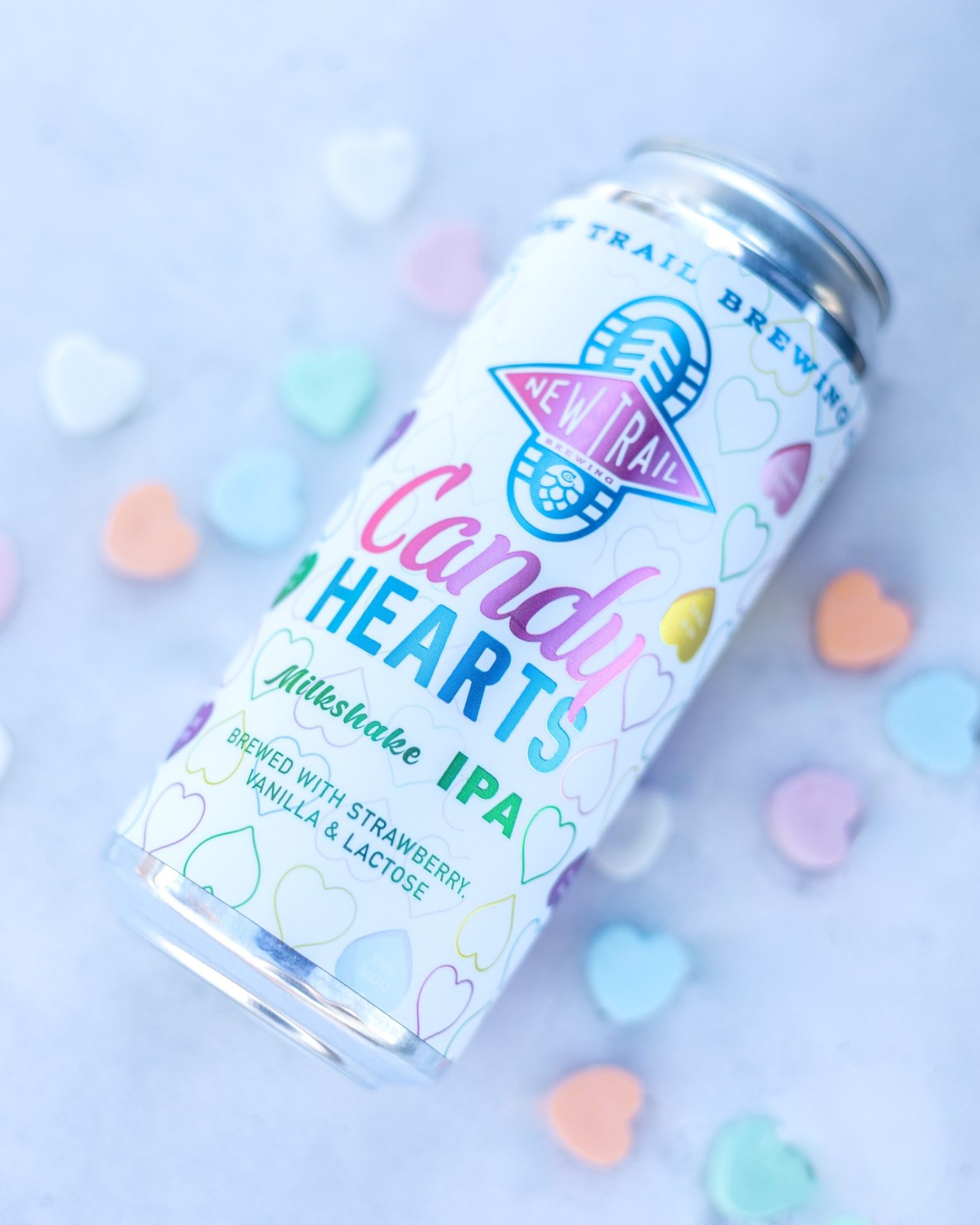
Then modern craft brewing changed everything. As small brewers began experimenting again, IPA was rediscovered and reimagined. What started as a revival quickly turned into a reinvention, and “IPA” became global shorthand for hop-forward beer. From crisp, bitter expressions to hazy versions packed with juicy aroma, the style exploded into countless directions.
Today’s IPAs aren’t replicas of the originals—they’re descendants. New hops, modern brewing techniques, and evolving tastes have transformed the category, but the core idea remains the same: bold flavor, character, and a beer that makes a statement. The name stayed, the beer evolved, and the obsession never really stopped.
Taste the Evolution of IPA for Yourself
IPA may have started as an export beer, but today it’s about expression, creativity, and freshness. At New Trail Brewing Co., we brew hop-forward beers that respect where the style came from while pushing it forward with modern techniques and bold flavor.
Explore our lineup of IPAs, lagers, and seasonal releases, enjoy them fresh at The Tasting Room, or use our beer finder to track down New Trail cans near you. However you discover them, you’re tasting the next chapter of a beer style that’s been evolving for centuries.
Conclusion
IPA’s origin story isn’t about a single recipe or moment—it’s about adaptation. From export beer to modern hop icon, IPA keeps evolving, and that’s exactly why it still matters today.
Frequently Asked Questions
What makes a double IPA different from a regular IPA?
A double IPA uses more malt and hops than a standard IPA, resulting in higher alcohol and more intense bitterness and aroma, even though it evolved much later than the original style.
Were dark beer styles more common than IPAs in early brewing history?
Yes, dark beer like porter dominated for years in England, which is why pale, hop-forward beers stood out when they gained popularity.
Did England IPAs actually originate in England?
England IPAs were brewed by English brewers for export and domestic markets, with their identity shaped by trade, shipping, and consumer demand rather than a single invention.
How did beer travel from England to India influence modern craft beer?
The long journey from England to India forced brewers to think about stability and flavor, lessons that still influence how craft beer is brewed today.
Recent Posts
-
 How Beer Trends Influence Williamsport Breweries
 -
 How a Williamsport Brewery Creates Consistent Flavor Profiles
 -
 What Makes Small-Batch Brewing Special at a Williamsport Brewery?
 -
 Common Beer Myths Debunked by a Williamsport Brewery
 -
 The Difference Between a Brewery, Brewpub, and Taproom in Williamsport

