Are IPAs Gluten-Free? Here’s What You Need to Know

“Are IPAs gluten-free?” You may have asked yourself this question at one point. To answer that question, no, most IPAs (India Pale Ales) are not gluten-free. This is because brewers traditionally use barley or wheat, both of which contain gluten—a protein that can trigger adverse reactions in individuals with celiac disease or gluten sensitivities.
In this blog, we’ll dive into what defines a gluten-free beer, why gluten-free brewing has become popular, and the challenges of making such beers—especially IPAs.
We’ll also touch on how gluten naturally plays a role in the brewing process and why most IPAs, including those from New Trail Brewing, are crafted with traditional methods.
(Additional read: What Does IPA Stand for in a Beer?)
Key Takeaways
- IPAs are traditionally brewed with barley malt or wheat, which contain gluten. While some gluten-reduced or gluten-free options exist, they remain a niche within the craft beer market.
- To create gluten-free beer, brewers use grains like sorghum, millet, or rice instead of barley or wheat. These beers cater to individuals with celiac disease or gluten sensitivities while striving to maintain craft beer quality.
- For those without gluten restrictions, traditional IPAs deliver the bold flavors and aromas expected from craft beers, thanks to the use of malted barley and hops. Breweries like New Trail Brewing Co. focus on these classic methods to craft exceptional beers.
Why Are Gluten-Free Beers Made?
The rise of gluten-free beer reflects the growing awareness of gluten intolerance and celiac disease. For individuals with these conditions, consuming gluten—a protein found in traditional grains—can trigger uncomfortable or even harmful immune responses. This has created a demand for beer options that exclude gluten, allowing everyone to enjoy a cold one without compromising their health.
Inclusivity in the craft beer community is another driving force behind the creation of gluten-free options. Craft beers are celebrated for their diversity in flavor profiles and brewing creativity, and offering gluten-free beers ensures that this enjoyment extends to people with dietary restrictions.
Meeting consumer demand while maintaining craft beer quality is a delicate balance. Many gluten-free beers aim to replicate the mouthfeel and taste of traditional beer, creating a satisfying experience without the barley malt or wheat typically used in the brewing process.
Brewers often invest in dedicated gluten-free facilities or use rigorous cleaning practices to prevent cross-contamination, ensuring their gluten-free beers are safe and meet strict regulatory standards.
The result is a growing market of gluten-free options that allows everyone to raise a glass, regardless of dietary needs. While these beers may not fully replace traditional beer for some enthusiasts, they highlight the innovation and adaptability within the brewing industry.
What Makes a Beer Gluten-Free?
For a beer to be considered gluten-free, it must be brewed without traditional grains like barley and wheat, which are primary sources of gluten. Instead, gluten-free beers rely on gluten-free grains such as rice, sorghum, millet, or corn, which allow brewers to create beverages free from gluten proteins.
Another category often seen in the beer world is gluten-removed beer. These are traditionally brewed beers that undergo an additional process to reduce gluten content, typically by adding enzymes that break down gluten proteins. However, while these beers may be labeled as gluten-reduced, they are not always safe for individuals with celiac disease, as trace amounts of gluten may remain.
To help consumers, the gluten content in beer is measured and labeled. A beer can only be labeled as “gluten-free” or “GF beer” if it is brewed entirely without gluten-containing ingredients and meets strict regulatory requirements. On the other hand, “gluten-reduced” or “gluten-removed” beers have reduced gluten content but may still pose risks for those with severe gluten intolerance or celiac disease.
The Role of Gluten in Traditional Beer Brewing
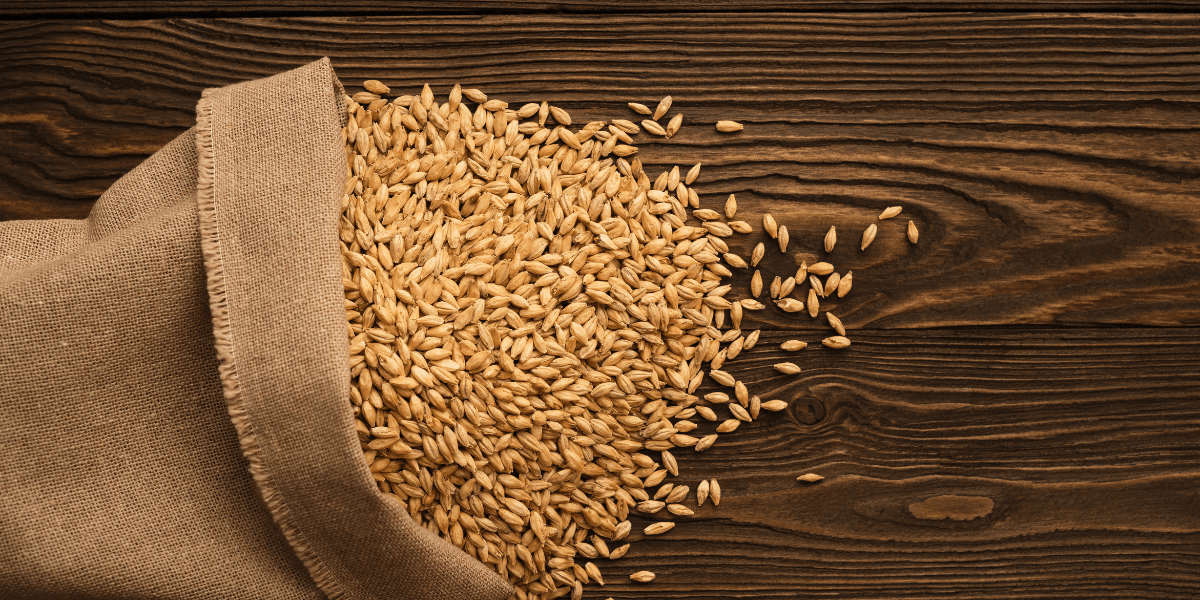
Gluten is a natural part of traditional brewing ingredients, as barley and wheat are staple grains in most beer recipes. These grains contribute far more than just fermentable sugars—they play a crucial role in the brewing process and the final characteristics of the beer.
In the brewing process, gluten impacts the mouthfeel and texture, giving beer its smooth, full-bodied quality. This protein also contributes to the formation of foam, enhancing the head retention that many beer drinkers look for when pouring a pint. Beyond texture, gluten affects the overall flavor profile of beers, particularly in malt-forward styles like dark ales and certain pale ales.
The complex flavors in IPAs, such as those derived from the interplay between hops and malt, are traditionally tied to gluten-containing grains like barley and wheat. These grains provide the backbone for the bitter, citrusy, and sometimes piney flavors that define popular styles like hazy IPAs and India Pale Ales.
Without gluten, achieving the depth of flavor and balance that beer enthusiasts expect from an IPA becomes a significant challenge.
When brewers attempt to create gluten-free beer, they face the challenge of replicating these attributes without the use of traditional grains. Alternative grains like sorghum, millet, and rice lack the same gluten proteins, which can make it difficult to achieve the same balance of flavor and texture.
As a result, gluten-free brewing often requires innovative techniques and careful recipe development to ensure the beer still meets the expectations of craft beer enthusiasts.
Gluten’s integral role in brewing is a key reason why most beers, including IPAs, are traditionally brewed with malted barley or wheat and remain unsuitable for those avoiding gluten.
For Those Avoiding Gluten: What to Know About Beer Choices
If you’re avoiding gluten, navigating the world of beer can feel challenging, but there are several options to explore.
For starters, some beverages naturally avoid gluten altogether. Cider and seltzers, for example, are popular alternatives that are made without barley, wheat, or other gluten-containing grains. These options often provide a refreshing alternative to beer while still delivering a satisfying drinking experience.
When it comes to beer itself, understanding labels is key. Look for terms like “gluten-free” and “gluten-reduced” to make informed decisions. It’s important to note that while gluten-reduced beer may work for individuals with mild gluten sensitivities, it may not be safe for those with celiac disease.
If you have celiac disease or gluten sensitivities, it’s always wise to consult a healthcare professional before trying new products. Additionally, personal research into brewing practices, ingredients, and production facilities can help ensure that your choice aligns with your dietary needs.
For example, beers made in dedicated gluten-free facilities offer an extra layer of assurance for those avoiding gluten completely.
By exploring alternative styles and becoming familiar with labeling practices, you can still enjoy a cold one while adhering to your gluten-free lifestyle.
Conclusion
The rise of gluten-free beer reflects the craft beer industry’s response to evolving dietary needs. With more people recognizing gluten sensitivities or being diagnosed with celiac disease, brewers have stepped up to create innovative options that include everyone in the beer-drinking experience. While gluten-free beer remains a niche within the craft beer world, it demonstrates the industry’s creativity and adaptability.
For those who love IPAs, it’s important to know that most remain rooted in traditional brewing methods, relying on barley and wheat to deliver their bold, complex flavors. However, if gluten is a concern, there are alternative styles, gluten-free options, and other beverages to explore. Whatever your preference, there’s always a way to raise a glass and enjoy a drink that suits your taste and needs. Cheers!
Not Gluten-Free? Not a Problem—We’ve Got the Best IPAs for You
While gluten-free beers may not be our focus at New Trail Brewing Co., we’re proud to craft IPAs that are rich in flavor, brewed with traditional barley malt, and perfect for anyone without gluten sensitivities.
From hop-forward, hazy IPAs to crisp lagers, we’ve got something for every craft beer enthusiast. Stop by our Tasting Room or find us at your favorite spot and enjoy a cold one brewed for bold taste and big adventures.
(Also read: What Are the Best Beers in America? A Guide to Adventure-Ready Brews from New Trail)
Frequently Asked Questions
Is there gluten in IPAs?
Yes, most IPAs contain gluten because they are traditionally brewed with barley or wheat, which are grains rich in gluten proteins. Unless labeled as gluten-free or gluten-reduced, IPAs are not suitable for individuals with celiac disease or gluten sensitivities.
Is IPA a wheat beer?
No, IPA (India Pale Ale) is not considered a wheat beer. While both styles use grains, IPAs are typically brewed with barley as the primary malt, whereas wheat beers use a significant proportion of wheat in their grain bill, giving them a lighter and smoother texture.
What beer is most gluten-free?
The most gluten-free beers are those brewed specifically with gluten-free grains, such as sorghum, millet, rice, or buckwheat, in facilities dedicated to gluten-free production. These beers are completely free of gluten and safe for individuals with celiac disease.
Gluten-reduced beers, which undergo processes to lower gluten content, may also be an option for those with mild sensitivities, but they are not entirely gluten-free.
Recent Posts
-
 How Beer Trends Influence Williamsport Breweries
 -
 How a Williamsport Brewery Creates Consistent Flavor Profiles
 -
 What Makes Small-Batch Brewing Special at a Williamsport Brewery?
 -
 Common Beer Myths Debunked by a Williamsport Brewery
 -
 The Difference Between a Brewery, Brewpub, and Taproom in Williamsport

