What Does IPA Stand for in a Beer?
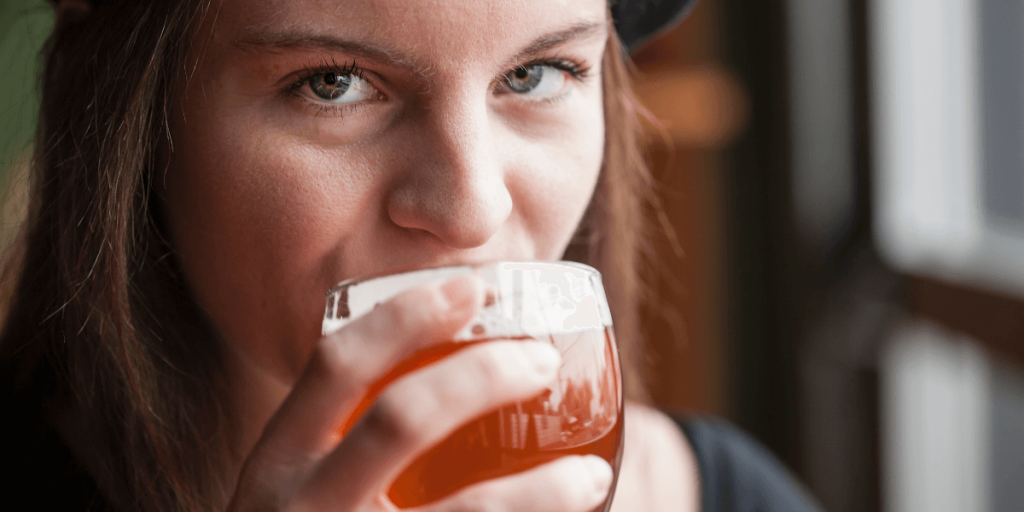
What does IPA stand for in a beer? Have you ever wondered this while enjoying a cold Pennsylvania beer?
IPA simply stands for India Pale Ale, one of the most popular and iconic beer styles around today. Known for its hop-forward flavors and higher alcohol content, the IPA has become a brew staple for many beer lovers.
Let’s take a look into its adventurous origins, the ingredients that make it stand out, and why IPA is a top choice in the modern craft beer world!
Key Takeaways
- IPA, or India Pale Ale, is a popular beer style known for its hop-forward flavors, higher bitterness, and higher alcohol content.
- IPAs originated in 18th-century England, where extra hops were added to pale ales to preserve them for long sea voyages to British colonies.
- Modern IPAs come in a variety of substyles like Hazy, Double, and Session, offering a range of bold and adventurous flavor profiles for craft beer enthusiasts.
Why Is it Called the India Pale Ale?
The term IPA, or India Pale Ale, originated in 18th-century England. At the time, British brewers were tasked with creating a beer that could survive the long and arduous sea voyages to British colonies in India.
To achieve this, they added extra hops to their pale ales. Hops are a natural preservative and they help prevent spoilage during the months-long journey, while also imparting the beer with a distinctive bitter flavor. Thus, the term India Pale Ale was born.
The British influence on India pale ales
IPA was a style of beer originally brewed to serve British soldiers and expatriates living in India a taste of home. The beer’s bold, hoppy flavor became a signature characteristic, and over time, IPA evolved into a category of its own, with various substyles becoming popular in modern craft brewing.
IPA’s history is deeply intertwined with British colonialism, as the beer played a significant role in sustaining British sailors and soldiers during their time abroad.
The IPA’s journey to becoming an American favorite
Though India Pale Ale has its roots in British history, it wasn’t until the craft beer boom in the United States that IPA truly skyrocketed in popularity.
American brewers embraced the style and began experimenting with new ingredients, particularly American hops, which offered bold and unique flavors. This innovation led to the creation of iconic substyles such as the West Coast IPA—known for its crisp, hoppy bite—and the Hazy New England IPA, which brought juicy, fruit-forward flavors to the forefront.
Today, American IPAs are beloved for their adventurous, bold tastes, making them a staple in craft breweries across the country. With each variation, from Session IPAs to Double IPAs, IPA continues to captivate IPA drinkers and remains one of the most popular beer styles in the U.S.
Characteristics of an IPA
The India Pale Ale has several features that make it distinct from other beers:
A hop-forward flavor profile
The defining feature of an India Pale Ale (IPA) is its hop-forward profile. Hops are used in higher quantities, which impart bold, distinct flavors such as citrus, pine, and floral notes into the beer. Hops play a central role in shaping the unique taste of each IPA variation.
Bitterness (IBU)
IPAs tend to rank high on the International Bitterness Unit (IBU) scale, which measures a beer’s bitterness.
A typical IPA will have a higher IBU score compared to other beers, often ranging between 40 and 70, and Double IPAs can go even higher. This bitterness comes directly from the hops used during the brewing process, which contribute heavily to the beer’s sharp, bold flavor.
Higher alcohol content
In addition to their bitterness, IPAs are known for their relatively high alcohol by volume (ABV). Most IPAs have an ABV that ranges between 5-8%, but stronger versions like Double IPAs and Triple IPAs can exceed this, offering a more robust drinking experience.
The higher ABV contributes to the beer’s intense flavor and strength, setting IPAs apart from lighter beer styles.
Varieties of IPA
 IPAs come in several substyles, each offering unique flavor experiences, levels of bitterness, and alcohol content. These variations provide beer lovers with a wide range of choices to explore.
American IPA: This style is all about bold, citrusy, and piney flavors, thanks to American-grown hops. It’s the perfect choice for those who love strong, hoppy flavors with a distinctly American twist.
New England/Hazy IPA: Known for its juicy, tropical notes and cloudy appearance, the New England IPA is less bitter than other IPAs but still delivers intense hop aromas. Its softer, fruit-forward profile makes it a fan favorite in the craft beer world.
Double IPA (Imperial IPA): For those who crave more intensity, Double IPAs offer higher alcohol content and even more hops, leading to a bolder, more complex flavor. The higher ABV makes it a stronger option for adventurous drinkers.
Session IPA: With lower alcohol content but maintaining the bold hop flavors, Session IPAs are perfect for those who want the taste of an IPA without the higher alcohol. It’s a lighter, more refreshing option that still delivers the hop-forward punch.
Why Are IPAs So Popular?
The enduring popularity of IPAs can be attributed to their dynamic nature and appeal to craft beer lovers.
Variety and versatility: IPAs offer an impressive range of substyles that there’s an IPA to suit every palate. This variety keeps beer enthusiasts excited about trying new brews and exploring the boundaries of flavor.
Craft beer movement: The rise of craft brewing in the early 2000s played a huge role in boosting the IPA’s popularity. Independent craft brewers began experimenting with hop varieties and brewing techniques, which allowed them to create innovative IPAs with distinct profiles.
As more craft brewers embraced IPAs, it became a flagship style that represented creativity and boldness in brewing.
Social appeal: The bold flavors and higher alcohol content of IPAs make them a favorite among craft beer enthusiasts. These beers are often seen as adventurous choices, perfect for those who enjoy discovering new flavors and sharing their experiences with others.
IPAs have found their way into the hearts (and taste buds) of beer lovers across the globe, proving that this hop-forward style is here to stay.
Modern IPA Trends
As IPA continues to evolve, brewers are embracing innovative styles that keep beer lovers excited and engaged.
Hazy IPAs and fruity flavors: One of the most popular trends today is the rise of Hazy IPAs, also known as New England IPAs. These beers feature a cloudy appearance and are known for their smooth, juicy flavor profile with a focus on tropical fruits like mango, citrus, and pineapple.
Unlike traditional IPAs, which tend to be more bitter, Hazy IPAs offer a softer, more approachable drinking experience.
Experimental IPAs: Craft brewers love pushing the boundaries of IPA styles. Recent innovations include the addition of lactose to create creamy “Milkshake IPAs,” or experimenting with a variety of fruits, spices, and even hops from different regions to craft new flavor profiles.
These experimental IPAs appeal to beer drinkers who enjoy unique twists on classic styles.
IPA: Bold, Flavorful, and Always Exciting
The variety and bold flavors of IPAs make them a standout in the craft beer world, offering something for every palate, from juicy New England IPAs to strong Double IPAs.
Explore the range of IPAs at New Trail Brewing Co. and discover your perfect brew—whether you prefer fruity, smooth, or intense flavors, we have an IPA waiting for you.
Visit our Tasting Room today!
Frequently Asked Questions
How is IPA different from beer?
IPA (India Pale Ale) is a specific style of beer that stands out for its heavy use of hops, creating bold, often citrusy or piney flavors with higher bitterness compared to other beer styles. Other beers, like lagers or stouts, typically feature more malt, resulting in smoother, less bitter flavors.
IPAs also tend to have higher alcohol content (ABV) compared to standard beers, making them a favorite in the craft beer scene.
Why is it called IPA beer?
IPA stands for India Pale Ale. The name originates from 18th-century England, where brewers added extra hops to pale ales to preserve them during long sea voyages to British colonies, particularly India. The extra hops not only helped with preservation but also gave the beer its distinct bitter taste, which became the hallmark of IPAs.
Why is IPA stronger than beer?
IPAs are often stronger than other beer styles due to their higher ABV (alcohol by volume). The brewing process of IPAs generally involves using more hops and malt, which leads to a more complex flavor and higher alcohol content.
Double IPAs and Imperial IPAs can have ABV levels that reach up to 10% or higher, whereas many regular beers, like lagers, typically range between 4-5%.
What does IPA beer mean by alcohol?
When it comes to alcohol content, IPA beers tend to have a higher ABV compared to standard beer styles. Most IPAs range between 5-7.5% ABV, with Double IPAs reaching up to 10% or more. The higher alcohol content results from the increased amount of malt and hops used in the brewing process, which contributes to both the flavor intensity and the strength of the beer.
Recent Posts
-
 How Beer Trends Influence Williamsport Breweries
 -
 How a Williamsport Brewery Creates Consistent Flavor Profiles
 -
 What Makes Small-Batch Brewing Special at a Williamsport Brewery?
 -
 Common Beer Myths Debunked by a Williamsport Brewery
 -
 The Difference Between a Brewery, Brewpub, and Taproom in Williamsport

