Do IPAs Go Bad?
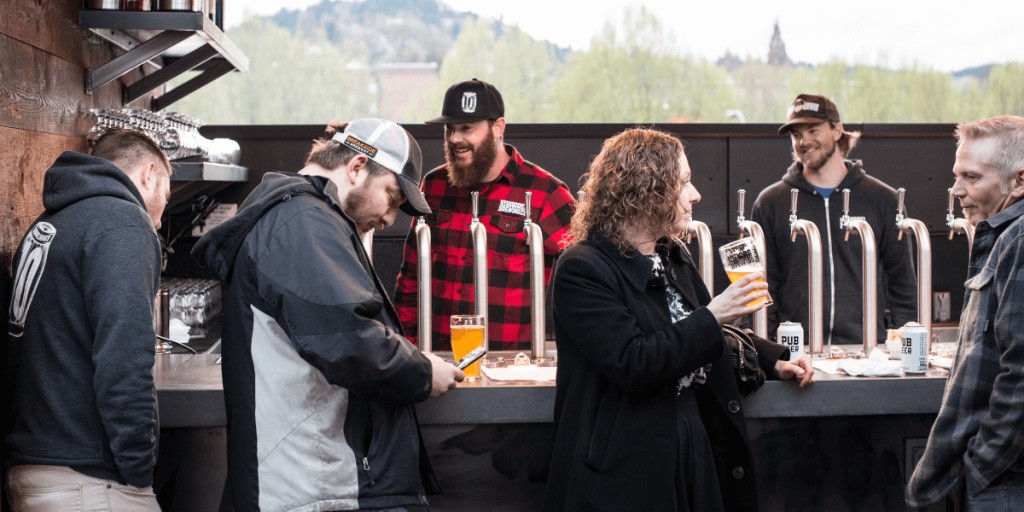
India Pale Ales have become a staple in PA’s beer scene, beloved for their bold hop flavors and vibrant aromas. IPAs offer something for everyone, making them one of the most popular styles around. But with all the buzz surrounding these hop-forward brews, there’s one question that often comes up: Do IPAs go bad?
The short answer is yes, they do. Like any beer, IPAs are best enjoyed fresh to fully appreciate their complex flavors and aromas. In fact, freshness is vital to experiencing an IPA as the brewer intended, making it essential to know how long your favorite IPA will last and how to keep it at its best.
(Informative read: What Does IPA Stand for in a Beer?)
Key Takeaways
- IPAs are best consumed within three months to fully enjoy their fresh, hop-forward flavors.
- Proper storage, such as keeping IPAs in a cool, dark place, is essential to maintain their quality.
- Signs of a bad IPA include off-flavors like wet cardboard and a loss of carbonation or clarity.
The Lifespan of IPAs: What You Need to Know
IPAs are known for their bold hop flavors and aromas, but these very characteristics also make them more sensitive to time and environmental factors. To enjoy your IPAs at their best, you must understand what affects their shelf life and how to store them properly.
Hop sensitivity
The high hop content in IPAs gives them their signature bitterness and aromatic intensity, but it also makes them more prone to flavor degradation over time. Hops contribute essential hop compounds that create the distinct flavors and aromas craft beer lovers seek out, but these compounds are sensitive to factors like light, heat, and oxygen.
Over time, the vibrant hop character fades, leaving the beer tasting dull and lifeless. This is why IPAs are best consumed fresh, ideally within up to three months of packaging, to fully appreciate their complex flavors.
Oxygen exposure
Oxygen is the enemy of fresh beer, particularly for hoppy styles like IPAs. When an IPA is exposed to oxygen during the fermentation process, bottling, or storage, it undergoes oxidation—a chemical reaction that leads to the development of off-flavors. This can cause the beer to taste like wet cardboard or overly sweet, significantly diminishing the overall experience.
To minimize oxygen exposure, store your packaged beer properly and avoid unnecessary agitation.
Heat and light
Temperature and light exposure are two of the biggest threats to an IPA’s freshness. Heat accelerates the aging process, causing the hop compounds to break down more quickly, while light, especially ultraviolet light, can lead to a phenomenon known as skunk spray or “skunkiness.” This occurs when light reacts with the hop compounds in the beer, producing an unpleasant aroma and flavor.
To prevent skunked beer, always store your IPAs in a cool, dark place, such as a fridge or cellar, and opt for cans that provide better protection against light exposure.
Once you know these factors and follow the best practices for storing beer, you can extend the shelf life of your IPAs and ensure each sip is as tasty and refreshing as the brewer intended.
(Related read: How Does Time Change the Characteristics of Beer?)
How to Tell if Your IPA Has Gone Bad
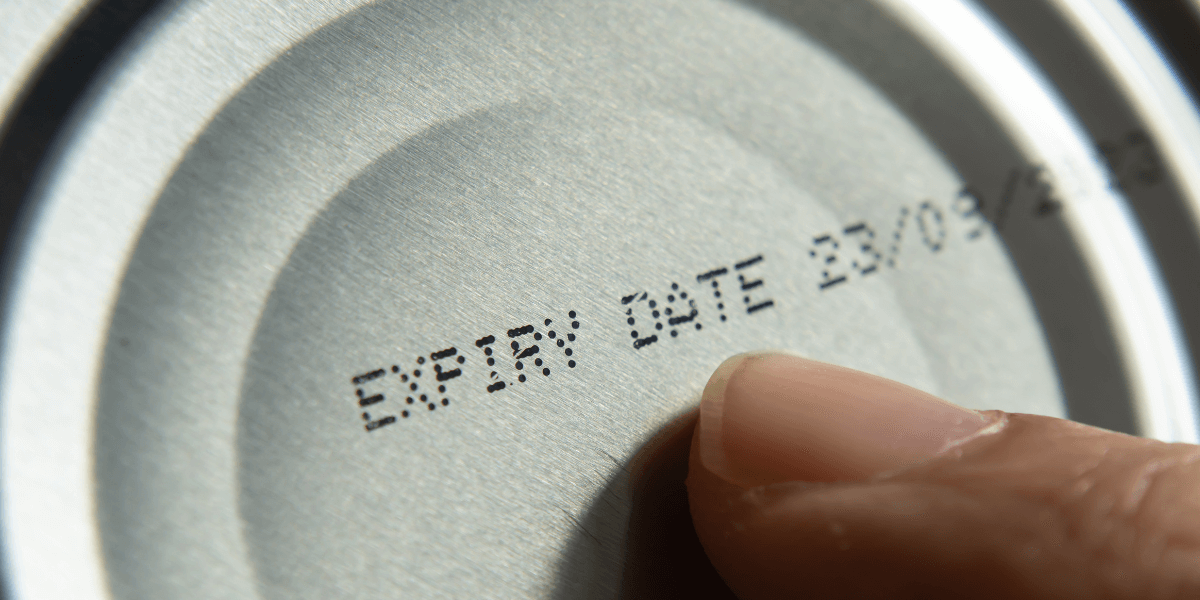
IPAs are best enjoyed fresh, and it’s important to recognize the signs that your beer might have passed its prime. Here’s how to tell if your IPA has gone bad, and you should be making another trip to the store soon.
Visual and auditory cues
When you open a can or bottle of IPA, pay attention to the visual and auditory signals it gives off. If your IPA lacks the usual satisfying “psst” sound when you crack it open, it could be a sign of lost carbonation and freshness.
Visually, look out for unexpected cloudiness or sediment, which might indicate the beer has aged poorly or was improperly stored. Faded labels on cans also suggest exposure to direct sunlight or other harmful conditions, hinting that the beer may not be at its best.
Taste changes
The taste of your IPA is the most telling indicator of whether it’s still fresh. Off-flavors like wet cardboard, excessive sweetness, or a vinegary taste are sure signs that your IPA has gone bad. These flavors typically result from oxidation or contamination during the brewing process or storage, and they drastically alter the beer’s original profile.
If your IPA tastes flat or lacks the hop bitterness and fresh aroma it once had, it’s probably time to let it go.
Packaging dates
One of the best ways to avoid drinking expired beer is by checking the packaging dates. Most breweries print a “best by” or “canned on” date on their cans and bottles, which helps you determine the freshness of the beer.
As a general good rule, IPAs should be consumed within weeks to three months of packaging to experience their full flavor. Beyond this point, the hop character and overall taste start to degrade, and the alcohol content might not mask the off-flavors that develop over time.
Shelf Life Expectations for IPAs
IPAs are best enjoyed fresh, but understanding their shelf life can help you make the most of every sip.
General guidelines
When it comes to enjoying IPAs, timing is everything. As a general rule, IPAs are best consumed within three months of their packaging date. During this period, the hops retain their vibrant flavor and aroma, giving you the full experience that the brewer intended.
Drinking your IPA within this ideal consumption window ensures you’re getting the freshest taste possible, with all the bold characteristics that make this craft beer style so popular.
Extended shelf life
While IPAs are at their peak within three months, they don’t necessarily become expired beer after that point. However, the beer will start to change. After the three-month mark, you might notice a shift in the flavor profile as the hops begin to fade, making way for more malt-forward notes.
Some drinkers appreciate the evolving flavors of aged IPAs, enjoying the subtle sweetness and mellowed bitterness that develops over time.
That said, not everyone is a fan of these changes. Many IPA enthusiasts prefer the bright, hoppy freshness that’s lost as the beer ages. If you enjoy the punchy, bitter qualities of England IPAs or stout-inspired brews, it’s best to stick to the three-month window.
For those who are curious, experimenting with aged IPAs can offer a different drinking experience, but it’s important to store them properly in a cool, dark environment like a cellar or fridge to slow down the aging process.
In any case, always check the expiration date or “best by” date on the bottle or can when buying beer.
Proper Storage for Maximum Freshness

Making sure your IPA stays as fresh as possible comes down to proper storage. Here’s how to keep your beer in top condition.
Store in a dark environment
To preserve the vibrant flavors of your IPA, store it in a cool, dark place. Light exposure—especially from UV rays—can react with the hops, leading to a phenomenon known as “skunkiness,” which can ruin the taste of your beer. Whether you’re stocking up on canned or bottled IPAs, always keep them away from direct light to maintain their freshness.
Avoid fluctuations
Consistent temperature is another significant factor in storing your IPA. Frequent temperature changes can cause the beer to age prematurely, dulling the flavor and diminishing its overall quality.
Keep your IPAs in a fridge or cellar where the temperature remains stable to help them stay fresh for as long as possible.
Choose cans over bottles
When it comes to protecting your IPA from light exposure, cans have a clear advantage over bottles. Cans provide a complete barrier against light, preventing the hops from degrading and helping the beer retain its intended flavor profile.
While dark bottles do offer some protection, cans are the best option for ensuring your IPA stays as flavorful as the day it was brewed.
Experience IPA Freshness Like Never Before
Freshness is key to enjoying IPAs at their best, with all the vibrant flavors and aromas intact. Don’t settle for anything less—explore the freshest IPAs at New Trail Brewing Co.
Visit our Tasting Room and discover the full, bold experience of our craft brews straight from the source. Cheers!
Frequently Asked Questions
Is it okay to drink expired IPA?
Yes, it’s okay to drink expired beer, but the flavor and aroma will likely be diminished. It may taste flat or develop off-flavors, making it less enjoyable.
How long will an IPA last?
An IPA is best enjoyed within three months of packaging. After that, the hop flavors start to degrade, though it may still be drinkable for up to six months.
Here’s how to tell if your IPA has one bad: How Long Does IPA Last?
How to know if an IPA is bad?
You can tell an IPA has gone bad if it has off-flavors like wet cardboard, excessive sweetness, or a vinegary taste. Visual cues like cloudiness or a lack of carbonation are also signs.
Does IPA alcohol expire?
The alcohol content in an IPA does not expire, but the overall flavor and quality of the beer will degrade over time, especially if not stored properly.
See more about the alcohol content of IPAs here: Do IPAs Have More Alcohol?
Recent Posts
-
 How Beer Trends Influence Williamsport Breweries
 -
 How a Williamsport Brewery Creates Consistent Flavor Profiles
 -
 What Makes Small-Batch Brewing Special at a Williamsport Brewery?
 -
 Common Beer Myths Debunked by a Williamsport Brewery
 -
 The Difference Between a Brewery, Brewpub, and Taproom in Williamsport

