How Long Is Keg Beer Good For? Shelf Life Tips You Can Use
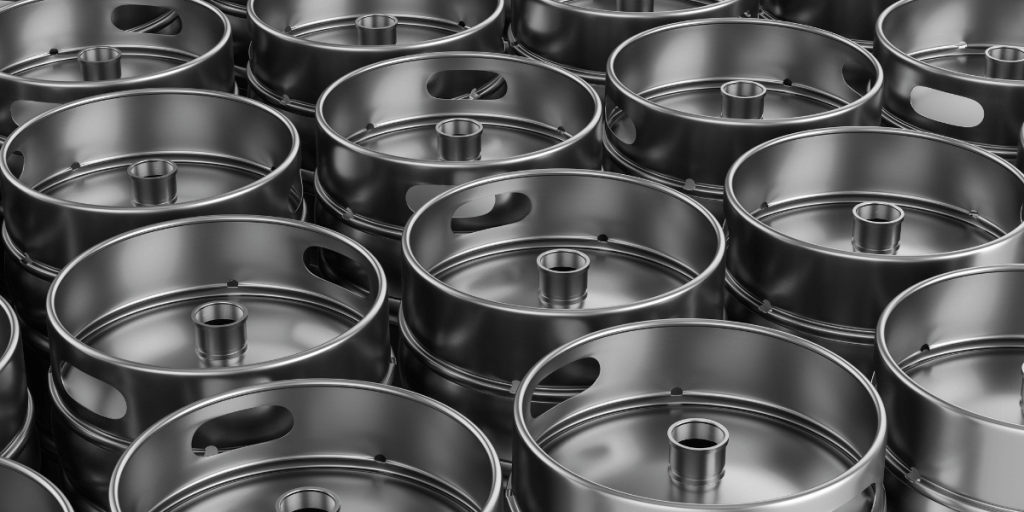
Kegs are the MVP at parties, campgrounds, and backyard hangs, but only if the beer inside tastes like beer. No one’s reaching for a pint of stale foam.
So, how long is keg beer good for? We’ll cover how long it lasts, what shortens its shelf life, and how to make sure your keg pours stay crisp and clean.
Whether you’re tapping a New Trail Hazy IPA or stocking a cooler for the woods, here’s how to treat your keg right.
Key Takeaways
- Keg beer lasts longer when stored cold and sealed—CO₂ systems help it stay fresh for weeks.
- Introducing oxygen (like with a party pump) drastically cuts the shelf life to just 1–2 days.
- Signs like sour taste, cloudiness, or off smells mean it’s time to stop pouring and reassess.
What Affects a Keg’s Shelf Life?
Not all kegs are created equal, and how long keg beer stays fresh depends on a few specific factors.
First, pasteurization matters. Pasteurized draft beer can last up to 120 days when kept cold, while non-pasteurized beer (like many craft options) typically tops out around 45–60 days, sometimes 90. Most breweries will recommend a window based on style and how the keg was packaged.
Check packaging dates and brewery freshness guidelines. At New Trail, we make it easy to spot our recommended drinking window because flavor shouldn’t be a guessing game.
Style also plays a role. Hoppy beers tend to lose punch faster than maltier brews and high-ABV styles often hold up longer than their lighter counterparts. Think about hop fade, yeast activity, and the way lighter beers can go stale quicker.
Tapped vs. Untapped: Big Difference
The moment a keg is tapped, the clock starts ticking, but how fast it ticks depends on your setup.
An untapped keg stored cold and undisturbed can stay fresh for weeks, sometimes even months. Keep it around the recommended temperature (36–38°F), and you’ve got some time before you need to start drinking.
Once tapped, though, it’s all about the delivery method. CO₂ systems, like those used in kegerators, maintain pressure without adding oxygen. That means your kegged beer can stay fresh for up to 2 months with consistent cold storage.
But if you’re using a party pump—the kind that adds air—your window shrinks to about 24 hours. That added oxygen speeds up staleness, especially for lighter styles or low-alcohol brews.
No matter how you pour, temperature and oxygen exposure are the two biggest players in keeping your draft beer from going flat, funky, or worse.
Storage Tips to Keep Beer Fresher, Longer
If you want your keg draft beer to stay fresh and flavorful, your storage habits matter—big time.
Keep it cold—ideally around 38°F. That’s the sweet spot where freshness lasts and bacterial growth stays at bay. Warmer temps can age your beer fast, dulling the hops and flattening the carbonation.
Stability counts, too. A fridge in the garage might sound convenient, but if temps swing with the weather, your keg’s shelf life can take a hit. Steady cold is better than inconsistent cool.
Store upright to minimize surface exposure and sediment disruption. And skip the jostling. Moving the keg too much before pouring it means foamy, unsettled beer.
Treat your keg like fresh produce: keep it cold, stable, and undisturbed to preserve peak flavor.
How to Tell If Your Keg Beer Is Going Off
Even keg beer that’s stored properly has a clock ticking, and when it starts to go, your senses will let you know.
Taste is the first red flag. If your pour tastes flat, sour, or has a musty funk, it’s likely past its prime. These off-flavors often come from oxidation or bacterial growth, especially if the keg wasn’t kept at the right temperature.
Pay attention to aroma and appearance. A stale beer might smell off or pour with unexpected cloudiness or dark color. Even if the beer is still carbonated, a strange scent or haze is a signal to be cautious.
When in doubt, sip—don’t gulp. You’ll usually know within a few sips if something’s wrong. If the flavor feels off, don’t force it. It’s not worth drinking something you’re unsure about, and it could be a sign the keg was stored improperly or has simply aged out.
Quick Reference: How Long Is Keg Beer Good For?
 Always store your keg beer cold and avoid shaking to help it stay good longer.
Ready to Pour the Good Stuff?
If you’re all about fresh flavor and getting the most out of your keg, we’ve got you covered. Swing by our Tasting Room to explore what’s on tap, or use our Beer Finder to locate New Trail near you. Whether it’s a weekend hang or your next big pour, we’re here to help you keep every glass tasting just right.
Conclusion
When you’re dealing with keg beer, the little details matter, such as storage, timing, and how you pour all play into how that beer tastes days or even weeks later. Knowing what affects its lifespan helps you get more out of every keg, every time. Treat it right, and your beer stays the way it should be: cold, fresh, and worth every glass.
Frequently Asked Questions
How long can draft beer remain fresh in a kegerator?
Draft beer can remain fresh for up to a month when kept under CO₂ pressure at the proper temperature. To keep keg beer fresh longer, maintain a steady 38°F and avoid introducing oxygen into the system.
What’s the best way to make sure keg beer stays fresh after opening?
Use a CO₂-based tap system instead of a hand pump. Introducing oxygen is a big deal—it speeds up spoilage and flattens the flavor. Also, keep the keg cold and avoid shaking it. That way, your tapped keg can hold up for several weeks.
Does bottled beer stay fresh longer than draft beer?
Not necessarily. Both bottled beer and keg beer can stay fresh for a long time if stored properly. Bottled options are often pasteurized or bottle conditioned, while kegged beer tends to be more sensitive to light, heat, and oxygen.
Can I drink draft beer after it’s been sitting for a few weeks?
It depends on storage. If your draft beer was tapped and left exposed to air, it likely won’t taste right after a few days. If it was sealed and kept cold, you might be fine—but always trust the pour. Sourness, off smells, or cloudiness means it’s time to toss it.
Can I store a homebrew keg the same way as commercial kegs?
Yes, but with extra care. Homebrew often lacks the commercial-level filtration or pasteurization, which can shorten shelf life. Keep your homebrew kegs cold and sealed with CO₂. Using clean equipment and storing in a cooler environment helps it remain fresh for a longer time.
Just like with commercial kegs, introducing oxygen is a big deal—it accelerates spoilage and affects both taste and carbonation.
Do Hazy IPAs have a shorter shelf life, and what does alcohol by volume mean?
Hazy IPAs, known for their juicy hop flavor and soft mouthfeel, don’t stay fresh as long as other styles. The dry hops and lack of filtration make them more sensitive to time and storage. Keep them cold and drink them within 30–45 days for peak flavor.
As for alcohol by volume (ABV), it measures how much alcohol is in your beer. Most Hazy IPAs fall in the 6–8% ABV range, which gives them body without overwhelming booziness. Want to explore a great Hazy? [Link to your Hazy IPA blog here.]
Recent Posts
-
 How Beer Trends Influence Williamsport Breweries
 -
 How a Williamsport Brewery Creates Consistent Flavor Profiles
 -
 What Makes Small-Batch Brewing Special at a Williamsport Brewery?
 -
 Common Beer Myths Debunked by a Williamsport Brewery
 -
 The Difference Between a Brewery, Brewpub, and Taproom in Williamsport

