How to Brew India Pale Ale: An Inside Look at the Craft
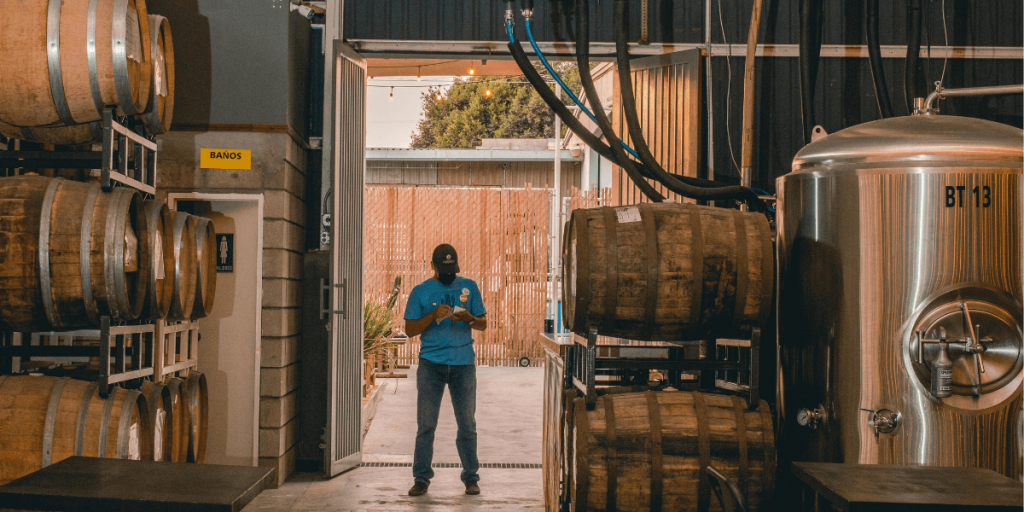
Curiosity about how to brew India Pale Ale has exploded right alongside the popularity of craft beer itself. IPAs are among the most celebrated styles in the world—loved for their hoppy punch, fruity aromas, and wide spectrum of flavors. But what does it really take to brew one?
The brewing process for an IPA is a careful balance of hops, malt, yeast, and time, as well as understanding how each decision shapes aroma, mouthfeel, and finish. That’s why professional brewers treat IPA brewing as both science and art, blending technical precision with creativity to deliver beer that excites and surprises.
In this article, we’ll walk through the essential elements that define IPA brewing and explore how a brewing company transforms raw ingredients into a beer style that has become a global favorite.
Key Takeaways
- Brewing an IPA is a balance of hops, malt, yeast, and technique—each choice shapes the beer’s flavor and character.
- Professional brewing elevates IPAs through precision, consistency, and creativity, making them more than just a recipe.
- Appreciating an IPA means tasting with intention.
The Building Blocks of an IPA
When people talk about an IPA, they often focus on the hops. But the path to a balanced IPA beer involves more than a single ingredient. Every choice in the brewing process shapes the aroma, mouthfeel, and flavor of the finished beer.
The hops
Hops are what define an IPA’s bold character. From bittering hops that provide structure to late hop additions that add layers of aroma, every step matters. Techniques like dry hopping bring out citrus, pine, or fruit flavors that have made IPAs so popular.
The hop bill—the careful selection and balance of hop varieties—guides everything from a crisp traditional IPA to a juicy New England IPA.
The malt
While hops lead, malt keeps an IPA grounded. A grain bill built on pale malt or varieties like Maris Otter provides fermentable sugars for the yeast to work on, while also giving the beer body and backbone.
Adjustments in mash temperature, mash pH, and even small additions like flaked wheat influence mouthfeel, clarity, and head retention. These decisions create the canvas on which the hop character shines.
Style variations
The IPA family is broader than ever. The American IPA is known for balance and bold hop presence, while West Coast IPAs are crisp and bitter with clean finishes. On the other side, New England IPAs lean soft and hazy, with low perceived bitterness but big tropical aromas.
For those chasing intensity, Double or Imperial IPAs push higher alcohol levels and bigger flavor punches.
The Craft Behind Brewing an IPA
Ask any brewer, and they’ll tell you that making an IPA isn’t about following a single IPA recipe but about choices. The art of brewing lies in the countless decisions that shape the final pint, from the hops used to the way fermentation unfolds.
Brewing choices that define flavor
The backbone of any IPA is the hops, but how they’re used makes all the difference. American hops can deliver piney or citrusy tones, while newer varieties lean tropical.
Brewers adjust hop rates, the timing of additions in the boil kettle, and techniques like dry hopping to create layers of aroma and flavor. Every adjustment shifts the beer’s flavor profile and overall taste.
Artistry and decision-making
Behind the science is creativity. The grain bill, mash heat, and water chemistry are selected with intention. Yeast strains, like California Ale yeast, bring their own influence, guiding the fermentation process toward a desired finish.
Even the choice to cold crash or soft crash a batch impacts clarity and aroma retention. These are decisions that shape the personality of the beer.
Consistency and experimentation
For a brewing company, making the best IPA is repeating success while still experimenting. Hitting targets like original gravity and final gravity, as well as managing the fermentation temperature, ensures balance and reliability.
But curiosity drives brewers to try new hop combinations, tweak yeast nutrients, or refine the fermentation vessel process to push boundaries. That’s how innovation happens in modern beer production—through the careful balance of consistency and risk.
The result of this careful selection and balance is a finished beer that speaks to both precision and passion, and a pint that rewards both the brewer’s effort and the drinker’s enjoyment.
Professional Brewing: What Elevates an IPA at Scale

Brewing an IPA at home can give you a glimpse of the process, but achieving brewery-quality results takes infrastructure, precision, and teamwork. Professional brewing turns the question of how to brew India Pale Ale into a repeatable craft—one that ensures every pint delivers the same excellence.
Infrastructure that sets the stage
Commercial breweries rely on advanced systems that control every aspect of the boiling process, from hop utilization to mash consistency.
Water treatment is another crucial factor. Professional brewers may adjust with calcium chloride, calcium sulfate, or other mineral additions to fine-tune taste and mouthfeel. Add to that industrial-grade sanitation and temperature management, and you have the foundation for consistently great beer.
Quality assurance from batch to batch
Every brew day in a brewery includes rigorous checks for balance and stability. From monitoring primary fermentation to scheduling a proper diacetyl rest, quality assurance is baked into the process. Clarity, carbonation, and shelf stability are tested to make sure the final product tastes as fresh weeks later as it did when it left the tanks.
Skilled teams, shared craft
Behind the equipment is a team of people dedicated to the details. From preparing the total grain bill and managing the yeast starter to refining water with distilled water or Epsom salt, each brewer plays a role in the success of the product. It’s a coordinated effort that brings hoppy beers to life at scale.
That combination of precision infrastructure, strict quality control, and passionate brewers is what transforms an IPA from an experiment into a dependable pint that drinkers can count on every time.
Appreciating IPA Like a Brewer
You don’t need to stand over a boil kettle or measure a grain bill to appreciate what makes an IPA special. With a little focus, you can enjoy your pint the way a brewer does, and that’s by paying attention to the details that reveal the beer’s character.
Taste with intention
Start with the aroma. IPAs are known for their bold hop presence, so take a moment to notice the citrus, pine, or tropical fruit notes before your first sip.
Then move on to balance—how do the hops interact with the malt body? Is it crisp and bitter or soft and juicy? Finally, pay attention to mouthfeel and finish. A well-crafted IPA will leave you with a smooth, clean impression that invites the next sip.
Spotting style differences
Each IPA style brings its own identity. A traditional IPA leans toward firm bitterness and clarity, while a hazy version emphasizes softness. A Double or Imperial IPA might bring bolder alcohol warmth and intensity, while a session IPA keeps things light and highly drinkable. Learning to pick up on these variations makes every pint more rewarding.
Brewers spend hours fine-tuning flavor profiles, water balance, and hop schedules to craft the final product. Tasting with intention is the “consumer’s version” of that process and your way of honoring the same craft.
The Ongoing Journey of IPA Brewing
Learning how to brew India Pale Ale is less about following a rigid set of instructions and more about appreciating the craft behind it. From the choice of hops to the balance of malt and yeast, every decision reflects the brewer’s creativity and expertise. Constant experimentation is what keeps IPAs evolving and why they remain at the heart of the craft beer world.
For beer lovers, the best way to deepen that appreciation is to taste it firsthand. Explore the spectrum of IPA styles at your favorite local brewery (like New Trail Brewing Co.), compare notes with friends, and discover which profiles speak to you most.
If you’re nearby, we invite you to stop into our Tasting Room to experience the variety of IPAs we’ve crafted or find a trusted beer merchant near you to bring the experience home. Every pint tells a story, and we’d love to share ours with you.
Conclusion
While many search for how to brew India Pale Ale, the real story lies in the creativity and expertise that go into every batch. From hop selection to fermentation, each choice shapes the character of the beer and keeps IPAs at the forefront of the craft beer movement.
The next time you enjoy an IPA, take a moment to notice how it’s a glass full of decisions, experimentation, and passion. And for the most rewarding experience, explore those flavors where they shine brightest: fresh from the source at a brewery’s Tasting Room or from a trusted beer merchant near you.
Frequently Asked Questions
What is dry hopping in the IPA brewing process?
Dry hopping is the technique of adding hops after the boiling process, typically during or after the fermentation process. This brings out bold aromas and flavors without adding more bitterness to the IPA beer.
How does the grain bill affect the flavor of an IPA?
The grain bill—the mix of malts used—provides the sugars for fermentation and determines body, color, and balance. A lighter base can highlight hop character, while specialty malts add depth and complexity.
What makes an American IPA different from other styles?
An American IPA often emphasizes assertive hop additions with pine, citrus, or tropical notes, balanced by a clean malt backbone. Compared to English IPAs, American versions are bolder, brighter, and more aromatic.
What should I look for on an IPA brew day to identify the best IPA?
For a brew day to produce the best IPA, brewers carefully monitor the brewing process. Consistency, balance, and freshness are key markers of quality in the final product.
Recent Posts
-
 How Beer Trends Influence Williamsport Breweries
 -
 How a Williamsport Brewery Creates Consistent Flavor Profiles
 -
 What Makes Small-Batch Brewing Special at a Williamsport Brewery?
 -
 Common Beer Myths Debunked by a Williamsport Brewery
 -
 The Difference Between a Brewery, Brewpub, and Taproom in Williamsport

