Is IPA Beer Gluten-Free?
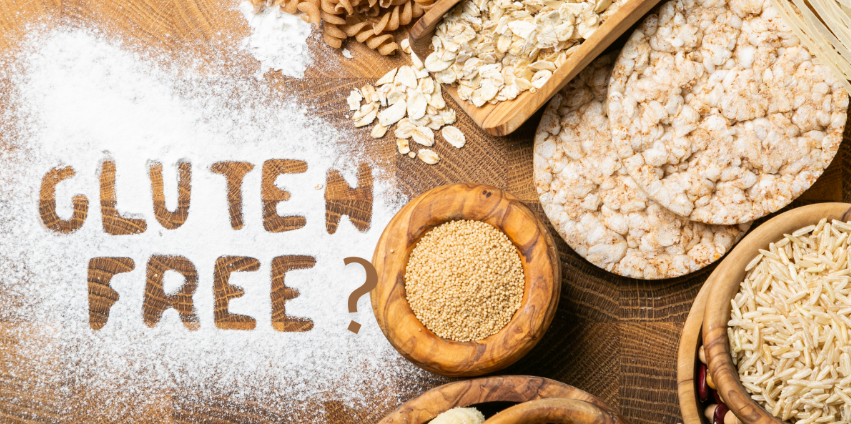
Is IPA beer gluten-free? For the most part, no.
An IPA (India Pale Ale), like many other beers in PA and around the world, is typically brewed using barley or wheat, both of which contain gluten. This information is important for individuals with celiac disease or gluten sensitivities, as consuming gluten can lead to serious health issues. But don’t worry—there’s much more to the story of gluten in beer.
In this blog, we’ll look deeper into what gluten is and why people avoid it, as well as explore which beers may have lower gluten content while retaining great flavor.
Keep reading to learn more!
(Additional read: What Does IPA Stand for in a Beer?)
Key Takeaways
- Most IPAs contain gluten, as they are brewed with barley or wheat, making them unsuitable for those with celiac disease.
- Gluten-reduced beers use enzymes to break down gluten but still contain trace amounts of the protein.
- Gluten-free doesn’t mean healthier—regular beers are just as flavorful and safe for those without sensitivities.
What Is Gluten and Why Avoid It?
Gluten is a protein found in grains like wheat, barley, and rye, all of which are commonly used in the brewing process to make traditional beer, including IPAs. These grains provide structure and contribute to the flavor profile of beer, making them essential to most craft beers.
For those with gluten intolerance or celiac disease, consuming gluten can trigger an immune response, leading to discomfort and health risks. As a result, many look for gluten-free beers (also referred to as GF beer) made with alternative grains like sorghum or brown rice or opt for gluten-reduced beers, where gluten is minimized during brewing.
Why Most Beers, Including IPAs, Contain Gluten

Most beers, including IPAs, are traditionally brewed with gluten-containing grains like barley, wheat, and rye. These grains provide the structure and flavor essential to beer, but they also introduce gluten, which remains throughout the brewing process.
Barley malt, in particular, is a common ingredient in pale ales and IPAs, and it makes these styles especially gluten-rich. While some breweries offer gluten-reduced beers, most regular and craft beers, including IPAs, have high gluten content that makes them unsuitable for those with gluten intolerance.
The Rise of Gluten Sensitivity and Beer Drinking
In recent years, awareness of gluten sensitivity and celiac disease has increased, prompting more consumers to seek alternatives to traditional beer, which contains gluten. As a result, craft beer trends, including IPAs and pale ales, have started to evolve, offering options for people with dietary restrictions.
While many still enjoy regular beer brewed with malted barley, there’s growing interest in gluten-free beers and gluten-reduced beers. These beers cater to those needing lower gluten content while still providing a great-tasting beer experience.
How Gluten-Free Beer Is Made
While most IPAs and traditional beers are brewed with gluten-containing grains like barley and wheat, which contribute to high gluten content, some beers are crafted to minimize gluten. These are known as gluten-reduced beers. They use traditional grains but include enzymes in the brewing process to break down gluten proteins, resulting in a lower gluten level.
However, there are also completely gluten-free beers made with gluten-free grains like sorghum, rice, or millet, which don’t contain gluten from the start. These beers are brewed to offer a safe alternative for those with celiac disease or gluten intolerance.
In using these grains, gluten-free beers maintain flavor without the risk of triggering an immune response.
Can You Reduce Gluten Without Losing Flavor?
The main difference between gluten-free and gluten-reduced beer lies in the ingredients and brewing process. Gluten-reduced beers are made with traditional grains like barley malt, but enzymes are added to break down gluten, allowing the beer to retain its more familiar flavors. These beers aren’t completely gluten-free but can have much lower gluten content.
In contrast, gluten-free beers use grains like sorghum, rice, or millet, which naturally contain no gluten. While these grains can produce excellent beers, they may create a flavor profile that’s different from traditional pale ales or IPAs.
Gluten vs. Gluten-Free Myths

When it comes to beer, there are several misconceptions about the benefits of choosing gluten-free options over traditional gluten-containing beers. Let’s break down a couple of common myths and set the record straight on whether gluten-free beers are truly the “better” option for everyone.
Myth: Gluten-free is healthier
There’s a common misconception that gluten-free beer is automatically a healthier option, but that’s not necessarily true. Gluten-free products are designed for those with celiac disease or gluten intolerance and are essential for their health.
However, for individuals without these sensitivities, gluten-containing beers are still perfectly safe to enjoy. These beers are rich in flavor and crafted using traditional methods with barley malt, which offers a satisfying taste experience for the majority of drinkers.
Myth: Gluten-free is always better for your diet
Unless you have celiac disease or gluten sensitivity, gluten-free products aren’t inherently healthier. For most people, gluten-containing beers provide rich, full flavors without compromising health.
The Art of Craft Beer: Flavor Through Tradition
While gluten-free beers serve a growing demand, craft beers like IPAs rely on traditional grains like barley malt to deliver complex, rich flavors that gluten-free alternatives often can’t replicate.
The craftsmanship of brewing with these ingredients, paired with hops and other brewing techniques, creates a depth and balance that many beer lovers appreciate.
For those without gluten sensitivities, enjoying a craft beer is about embracing the unique and bold taste that comes from time-honored brewing methods.
Discover the True Taste of Craft Beer
New Trail Brewing Co. is dedicated to crafting exceptional beers with the finest ingredients. While our IPAs aren’t gluten-free, they deliver a rich and satisfying flavor that gluten-reduced or gluten-free options often can’t match.
For those who can enjoy the full-bodied experience of traditional brewing, our India Pale Ales, lagers, and other brews offer the perfect balance of bold hops and malt.
Ready to taste what makes regular beer so special? Come visit our Tasting Room today and enjoy a cold one brewed with passion and expertise!
Frequently Asked Questions
Can IPAs be gluten-free?
Yes, some gluten-free IPAs are brewed using alternative grains like sorghum or rice instead of traditional grains like barley or wheat. However, most IPAs are not gluten-free unless labeled as such.
(Find out if beers contain sugar and how much here: Does Beer Contain Sugar? and here: How Much Sugar in IPA Beer vs Other Beers: A Comparison)
What beers are gluten-free?
Gluten-free beers are brewed with gluten-free grains like millet, buckwheat, corn, or sorghum syrup. The best gluten-free beer will have been brewed in dedicated gluten-free facilities to ensure no cross-contamination.
Do IPAs have wheat in them?
Some IPAs may contain wheat, but most are brewed primarily with barley malt.
(This informative read may give you more insights into what‘s inside a beer: What Are the Main Ingredients in Beer?)
Is hazy IPA gluten-free?
Most hazy IPAs are not gluten-free, as they are typically brewed with barley and sometimes wheat, both of which contain gluten.
(Worth a read: What Makes IPA Hazy? and How Many Calories in a Hazy IPA?)
Recent Posts
-
 How Beer Trends Influence Williamsport Breweries
 -
 How a Williamsport Brewery Creates Consistent Flavor Profiles
 -
 What Makes Small-Batch Brewing Special at a Williamsport Brewery?
 -
 Common Beer Myths Debunked by a Williamsport Brewery
 -
 The Difference Between a Brewery, Brewpub, and Taproom in Williamsport

