What’s a Craft Beer?

What’s a craft beer? If you’re not quite sure what sets it apart from other beers, you’re in the right place. Craft beer is all about quality, creativity, and passion, brewed by independent breweries that focus on flavor and tradition.
As one of the leading breweries for excellent craft beer in PA, we’re here to break down what makes craft beer so special and why it’s become a favorite for so many beer lovers.
Key Takeaways
- Craft beer is defined by its small-scale production, independent ownership, and focus on quality and innovation.
- The craft beer movement gained momentum in the U.S. in the late 1970s, driven by a desire for more diverse and flavorful beer options.
- Craft breweries are known for experimenting with new styles and seasonal brews, offering unique experiences that differ from mass-produced beers.
History of Craft Beer
The story of craft beer is borne through a desire for something more than the ordinary.
Origins and evolution
The craft beer movement didn’t just appear overnight—it has deep roots that trace back to a desire for quality, variety, and innovation. The origins of craft beer in the U.S. can be linked to the 1960s and 1970s when beer drinkers began to seek alternatives to the uniform taste of macro breweries and mass-produced beer brands. This marked the beginning of a slow but steady shift in the beer market.
The movement gained momentum in the late 1970s, particularly after the legalization of home brewing in 1978. This pivotal change, championed by President Jimmy Carter, allowed beer enthusiasts to experiment with brewing techniques at home.
The results were exciting new beer styles that diverged from the offerings of large commercial breweries. As more people discovered the joys of home brewing, the seeds for the craft beer movement were sown, leading to the birth of small breweries and independent brewers across the country.
Key milestones
Several key events and milestones have shaped the craft beer industry as we know it today. One of the most significant was the rise of microbreweries in the 1980s, with pioneers like Sierra Nevada and Boston Beer Company (maker of Samuel Adams) leading the way.
(Related read: What Is a Micro Beer?)
These early craft brewers set the stage for a revolution, proving that small-scale breweries could thrive by offering beer drinkers a more diverse and flavorful experience.
As the craft beer market expanded, the Brewers Association was established to define and support the interests of independent craft breweries. This organization has played a crucial role in advocating for craft brewers and helping to protect the unique qualities that define craft beer.
Throughout the years, craft beer has continued to evolve, embracing experimental styles and pushing the boundaries of traditional brewing techniques.
The movement has seen exponential growth, with thousands of craft breweries now operating across the U.S., producing millions of barrels of beer each year. This explosion of craft beers has turned local bars into destinations for beer lovers seeking the next great pint.
What Sets Craft Beer Apart?
Craft beer has a distinct place in the beer world, offering something different from what you’ll find with mass-produced options. Let’s look at what makes craft beer unique.
Small and independent production
One of the defining features of craft beer is its small and independent production. Unlike mass-produced beers from larger brewing companies, craft breweries operate on a much smaller scale.
According to the Brewers Association, a craft brewer is defined as producing fewer than six million barrels of beer per year. This relatively low annual production allows small breweries to focus on quality rather than quantity.
Moreover, being independent is a vital aspect of what sets craft brewers apart. For a brewery to be considered “independent,” less than 25% of it can be owned or controlled by a non-craft brewer. This independence ensures that craft brewers have the creative freedom to experiment with new beer styles and flavors rather than conforming to the more standardized offerings of large brewers.
Focus on quality and innovation
Another hallmark of craft beer is its emphasis on quality ingredients and innovative brewing techniques. While mass-produced beers often rely on cost-cutting measures and additives to maintain consistency, craft brewers prioritize the use of quality ingredients.
In addition to using top-notch ingredients, craft breweries are known for their dedication to traditional brewing methods. These methods preserve the integrity of the beer while allowing for unique and complex flavors to develop.
Innovation is another key aspect of the craft beer world. Unlike commercial beers that stick to tried-and-true recipes, craft breweries are constantly pushing the boundaries with experimental styles and techniques. Craft brewers are always looking for ways to surprise and delight their customers.
This commitment to quality and innovation is why craft beer enthusiasts are so passionate about finding craft beer that offers something truly unique. Craft beer lovers know they can count on independent brewers to deliver an exceptional drinking experience.
Craft Beer Styles and Varieties
Let’s explore some of the most popular craft beer styles and how small brewers keep things interesting with their seasonal and experimental brews.
Overview of popular styles
When it comes to craft beer, certain styles have become staples in the craft beer market. Here are a few you’re likely to encounter:
IPAs (India Pale Ales): Known for their bold hop flavors and aromas, IPAs are a favorite among craft beer lovers. India Pale Ales (not dark beers, as some mistakenly call them) can range from bitter and piney to fruity and tropical, depending on the hops used.
Stouts: These dark, rich beers are often associated with roasted malt flavors like coffee and chocolate. Stouts can be creamy and smooth, like a milk stout, or strong and robust, like an imperial stout. Some craft breweries even experiment with barrel-aging their stouts to add depth and complexity.
Sours: Sours are all about tart, tangy flavors, often achieved through the use of wild yeasts or bacteria during the brewing process. They can be light and refreshing, like a Berliner Weisse, or rich and fruity, like a fruited kettle sour. Sours are perfect for those who enjoy a bit of a pucker with their beer.
These styles only scratch the surface of what craft brewers are creating. Whether you’re in the mood for something hop-forward, malty, or tart, there’s a craft beer out there to suit your taste buds.
(Supplemental read: What’s the Difference Between IPA and Beer?)
Experimental and seasonal beers
One of the joys of exploring craft beers is discovering the seasonal and experimental brews that craft breweries offer. Unlike mass-produced commercial beer, which often sticks to a consistent lineup, craft breweries love to experiment with different ingredients, techniques, and styles.
Small and independent brewers often release special beers that highlight seasonal ingredients or celebrate local flavors. For example, you might find a pumpkin ale in the fall or a fresh-hop IPA during hop harvest season. These beers are typically brewed in small batches, making them even more special and often eagerly anticipated by craft beer enthusiasts.
(Related read: How to Make an IPA)
In addition to seasonal offerings, many craft breweries enjoy pushing the envelope with experimental beers. This might include unusual ingredients like herbs, spices or fruit, or unconventional brewing techniques. These experimental brews often become cult favorites, allowing craft brewers to showcase their creativity and keep their lineup fresh and exciting.
Global Craft Beer Movement
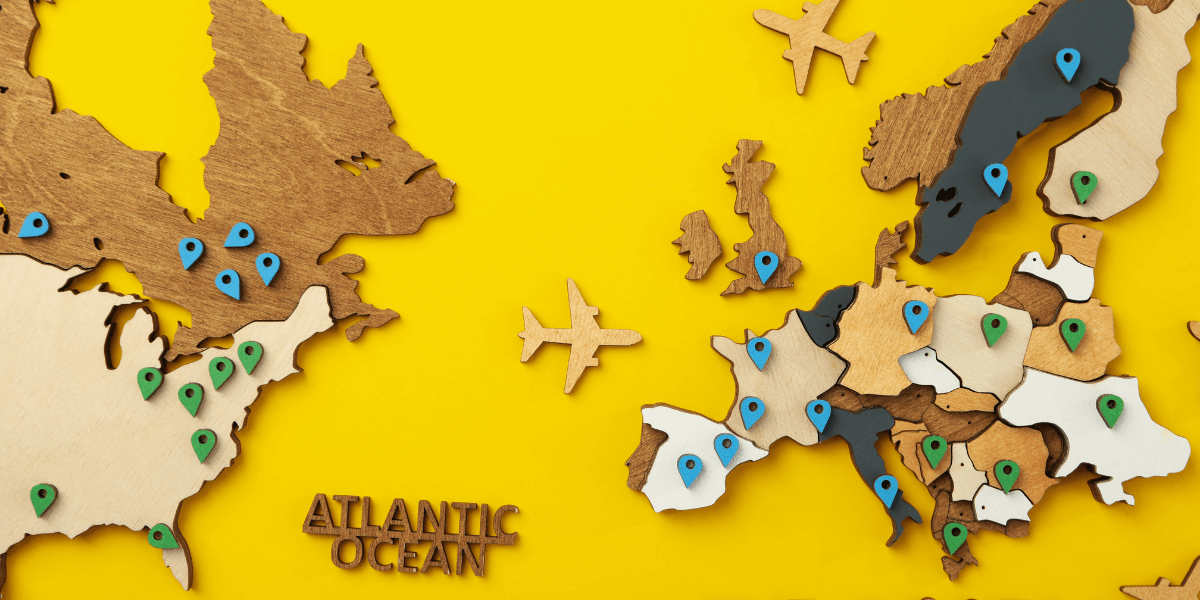
The craft beer movement is a global trend that’s taken root in various regions around the world. From North America to Europe and Asia, craft breweries are popping up in diverse locations, each bringing their own unique spin to the craft beer scene.
Let’s explore how craft beer has spread globally and how different regions are embracing and adapting this trend.
Craft beer around the world
Craft beer might have originated in the United States, but it has since become a worldwide movement. In North America, craft breweries have flourished, with countries like the U.S. and Canada leading the charge. The Brewers Association in the U.S. has been instrumental in defining and supporting craft brewers, helping to grow the industry to over 9,000 small and independent breweries.
Across the Atlantic, Europe has a long beer history, but the craft beer movement is relatively new. Countries like the UK, Belgium, and Germany—known for their traditional beer styles like real ale and lagers—are now seeing a surge in craft beer culture. These regions are blending time-honored brewing techniques with the innovation and creativity that define craft beer.
Even countries with less established brewing traditions, like Italy and Spain, are seeing a rise in craft breweries, each putting a local twist on the craft beer phenomenon.
In Asia, the craft beer scene is rapidly expanding as well. Japan, for example, has embraced craft brewing with a focus on quality and traditional ingredients. Other countries like China, South Korea, and India are also joining the movement, with small breweries experimenting with flavors that reflect their local culinary traditions.
Differences in regional craft beer cultures
As craft beer spreads around the world, it’s fascinating to see how different regions put their own spin on it. In Europe, for example, craft brewers often incorporate traditional brewing methods and local ingredients into their beers.
In Germany, the German Purity Law (Reinheitsgebot) influences many craft brewers who aim to create high-quality beers using only water, barley, hops, and yeast. However, there’s also a growing trend of craft breweries pushing the boundaries and experimenting beyond these traditional limits.
In Asia, craft beer is often inspired by local flavors and ingredients. Japanese craft breweries might use elements like yuzu (a citrus fruit) or matcha (green tea powder) to create unique beer styles that appeal to both local and international beer lovers.
Similarly, in India, craft brewers might incorporate spices commonly found in Indian cuisine, offering a taste of the region in every sip.
In North America, the craft beer culture is all about innovation and experimentation. From session IPAs to barrel-aged stouts, American craft brewers are known for their willingness to push the envelope. This spirit of creativity has influenced craft breweries around the world, encouraging them to experiment with new beer styles and brewing techniques.
The Future of Craft Beer
Looking forward, the craft beer industry is expected to continue its growth, though perhaps at a slower pace than the explosive rise of the past decade. The Brewers Association predicts that while the number of craft breweries may stabilize, the demand for unique, high-quality craft beers will remain strong.
Another area of potential growth is in international markets. While craft beer is already well-established in places like North America and Europe, regions like Asia and Latin America are showing increased interest in craft brewing.
As more independent brewers emerge in these areas, the global footprint of craft beer is set to expand, bringing new flavors and styles to the beer world.
Overall, the future of craft beer looks bright, with continued innovation and a strong commitment to quality driving the industry forward. Whether you’re a seasoned craft beer lover or new to the scene, there’s plenty to look forward to as craft breweries continue to push the boundaries of what beer can be.
Discover the Craft Behind Every Pour
New Trail Brewing is passionate about crafting beers that are anything but ordinary. Whether you’re new to craft beer or a seasoned enthusiast, there’s always something fresh and exciting waiting for you. From our bold IPAs to our rich lagers, every sip is a new adventure.
Visit us today in our Tasting Room or explore our selection online to find your next favorite brew. Join us on the trail—where great beer and even better experiences are always on tap!
Cheers to good craft beer!
Frequently Asked Questions
What is the difference between craft beer and regular beer?
Craft beer is typically produced by small, independent breweries that prioritize quality, flavor, and traditional brewing methods. Regular beer, often mass-produced by large commercial breweries, is generally made in much larger quantities and may focus more on consistency and cost-efficiency rather than innovation.
The key differences lie in the scale of production, the use of ingredients, and the creative freedom of the brewers.
What is the difference between craft beer and other beer?
The term “other beer” can refer to any beer that is not classified as craft beer, which often includes mass-produced or industrial beers. The primary difference is that craft beer is brewed in smaller batches with a focus on unique flavors and brewing techniques, while other beers are produced in larger volumes, sometimes with additives or preservatives to maintain consistency and shelf life.
What is an example of craft beer?
A popular example is New Trail Brewing’s Broken Heels IPA, known for its bold hop flavors and commitment to quality brewing. These beers are produced by independent breweries that emphasize creativity and craftsmanship.
What is a craft-style beer?
A craft-style beer refers to any beer that embodies the principles of craft brewing, which include a focus on quality ingredients, innovative brewing techniques, and small-scale production. These beers may not always be produced by traditional craft breweries but aim to replicate the taste, style, and approach that defines the craft beer movement.
Craft-style beers often include a wide variety of beer types, such as IPAs, stouts, and sours, that are made with care and attention to detail.
Recent Posts
-
 How Beer Trends Influence Williamsport Breweries
 -
 How a Williamsport Brewery Creates Consistent Flavor Profiles
 -
 What Makes Small-Batch Brewing Special at a Williamsport Brewery?
 -
 Common Beer Myths Debunked by a Williamsport Brewery
 -
 The Difference Between a Brewery, Brewpub, and Taproom in Williamsport

